
Last updated October 15, 2026
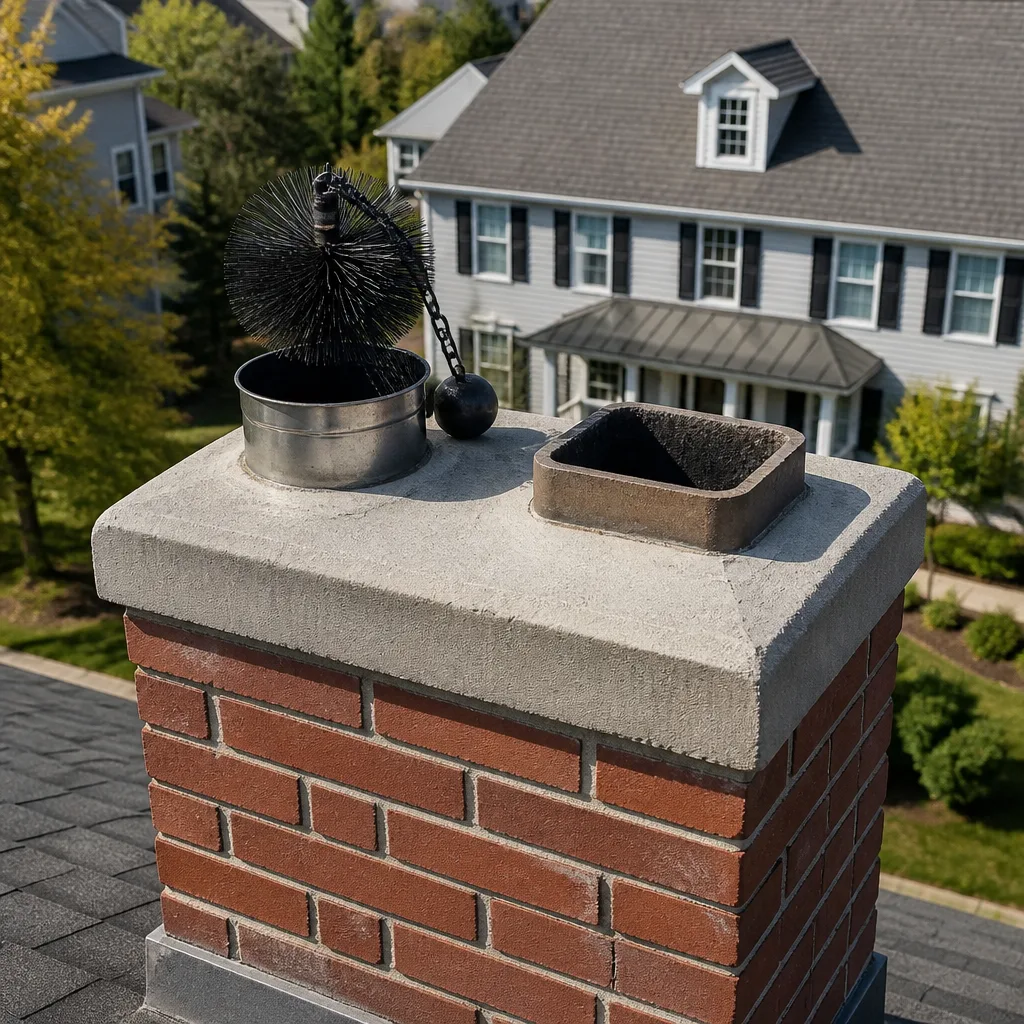 Sweep & inspection
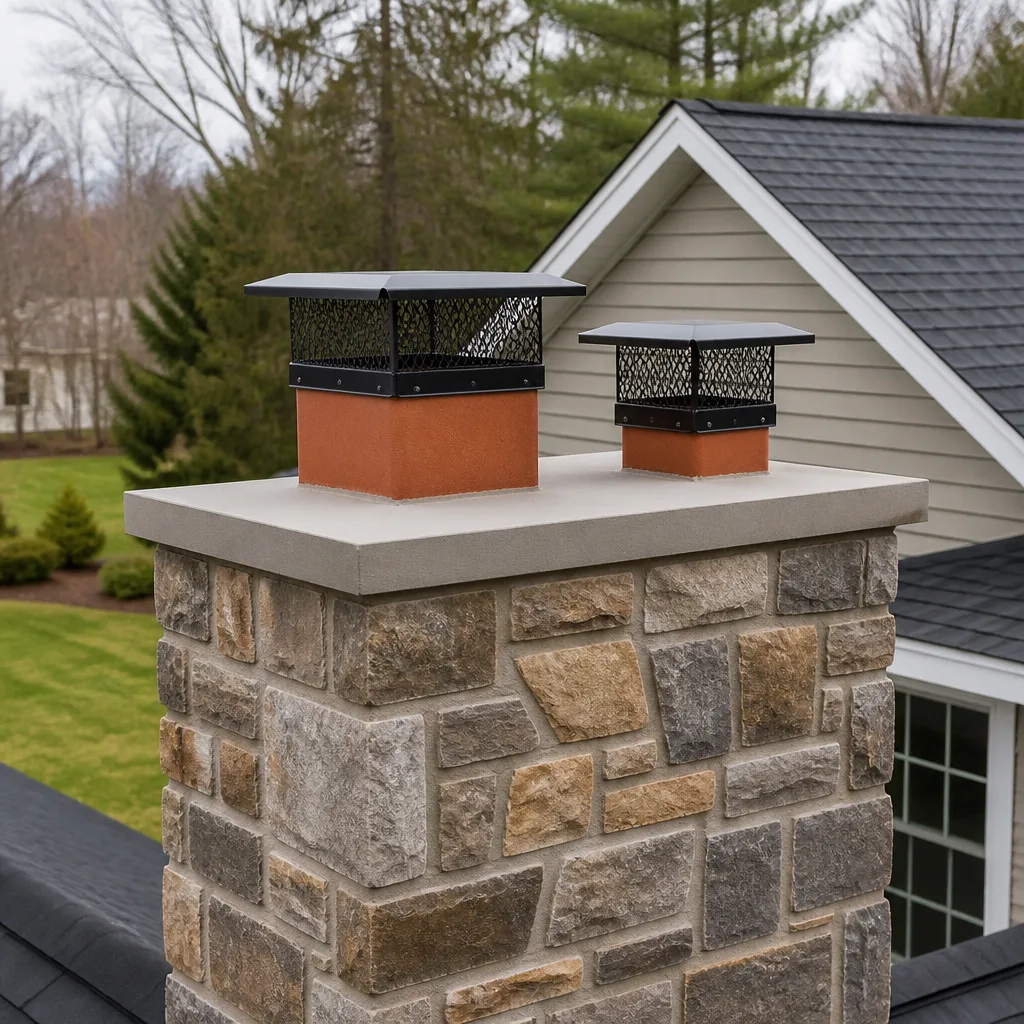 Caps & crowns
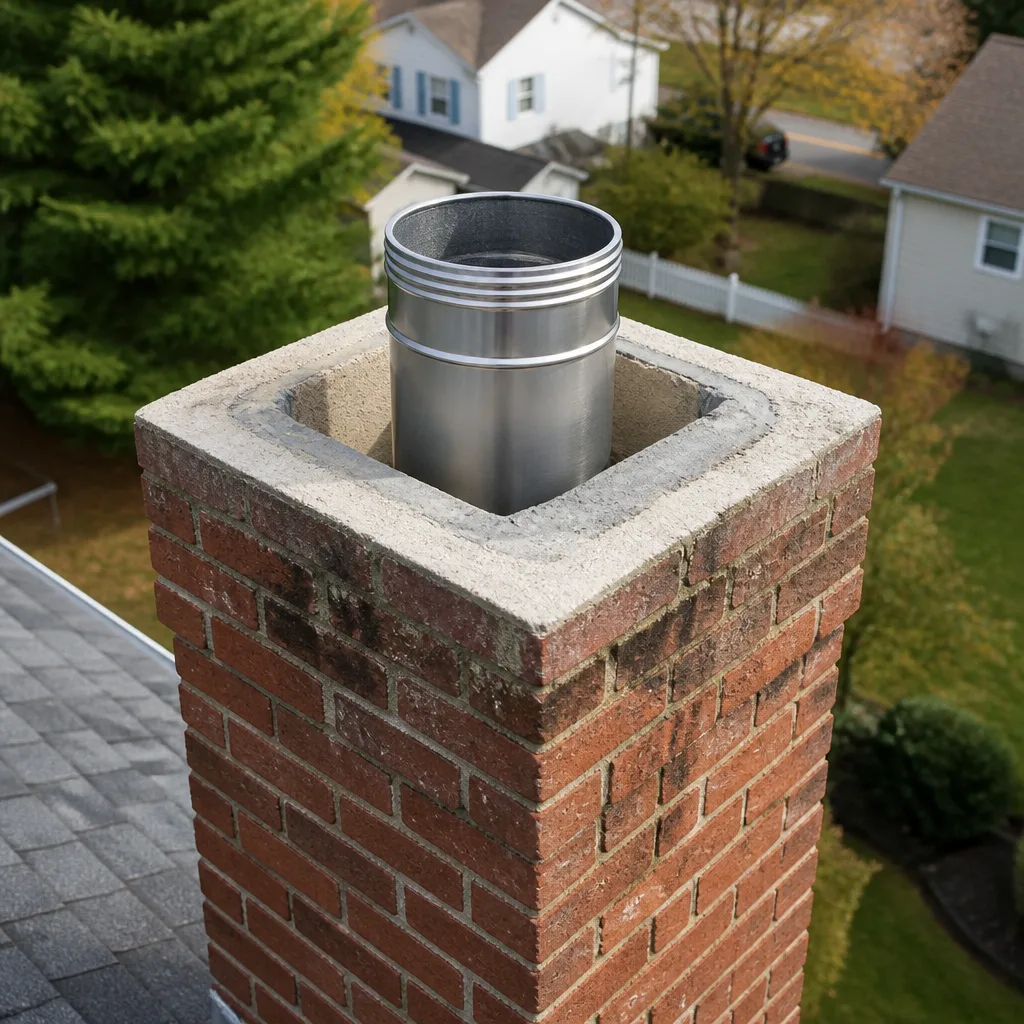 Flue relining
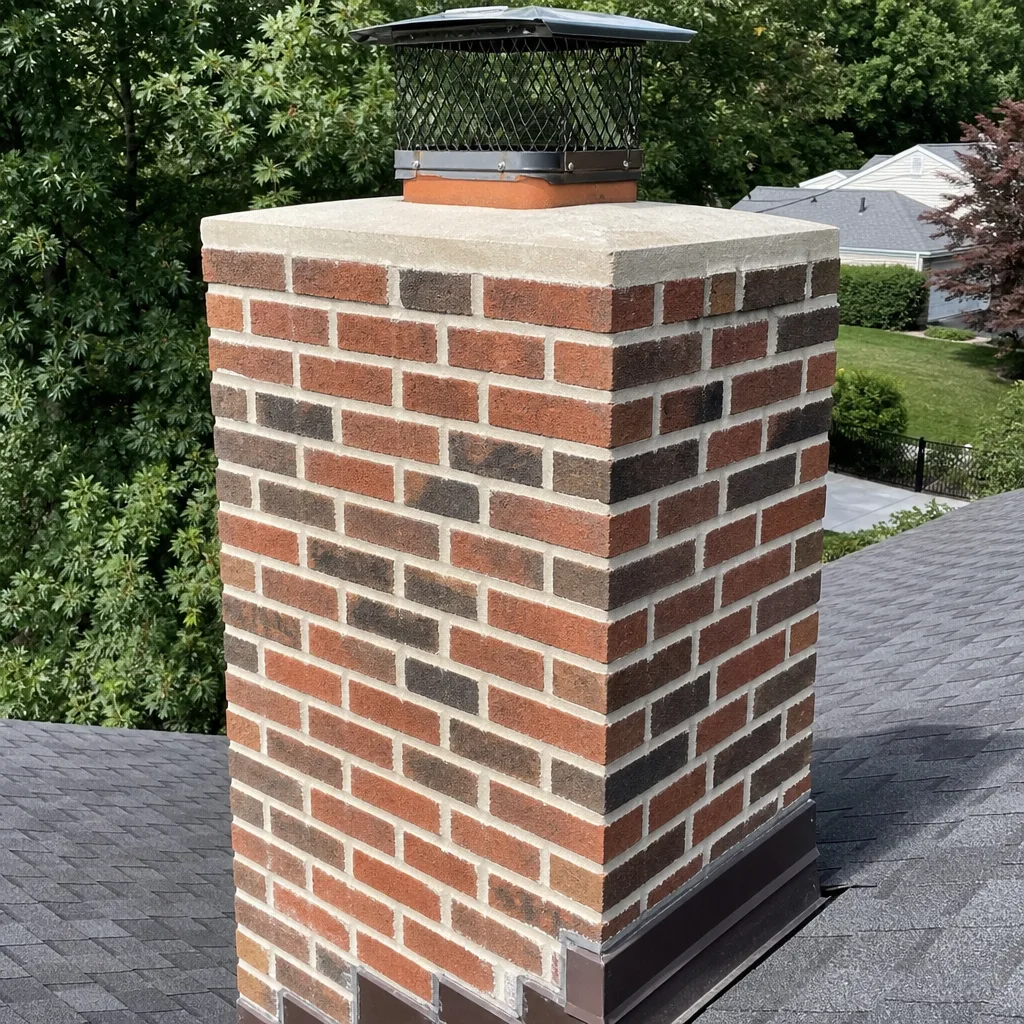 Masonry repair
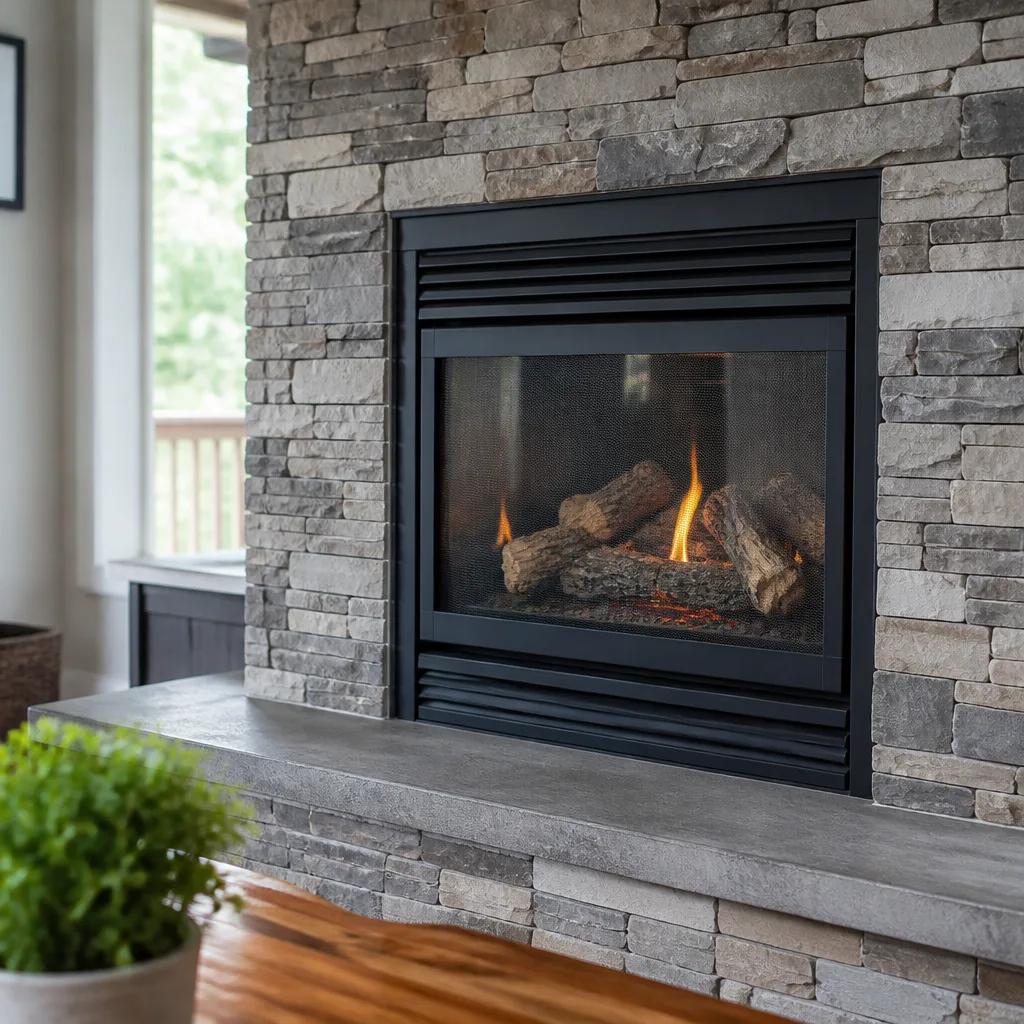 Gas fireplace service
Level 1 sweep and inspection to the NFPA 211 annual standard - flue, crown, cap, and flashing checked and photographed
Chimney sweep logs do not sweep chimneys. They loosen some creosote - which then falls where a brush and vacuum still have to collect it.
DIY vs Professional Chimney Cleaning: The Austin Homeowner’s Decision Guide
Here’s something that surprises most Austin homeowners: a firebox vacuum and a chimney brush are two different tools for two different jobs, and only one of them requires any real training. This guide will show you exactly where that line sits. We’ll cover what a careful homeowner can safely handle on a Saturday morning, what physically cannot be done without professional equipment, and why Austin’s particular mix of cedar smoke, limestone construction, and 1970s-era offset flues makes some DIY chimney work genuinely riskier here than in other cities. By the end, you’ll know whether your fireplace is a candidate for do-it-yourself maintenance or a job that needs a written price and a trained eye.
Styles & brands we work with
Quick Answer
DIY chimney cleaning is reasonable for light maintenance of a prefab fireplace with minimal use: cleaning the cap, vacuuming the firebox, and doing a basic visual check. It is not reasonable for a masonry chimney with glazed creosote, a liner that hasn’t been inspected in years, or any visible soot past the smoke chamber. In those cases, the professional cost is the cheaper outcome because a chimney fire or carbon monoxide leak costs far more than a sweep; see our Chimney Cleaning Cost Breakdown: The Austin Homeowner’s Reference for 2026 for full pricing context.
Table of Contents
- The Honest Case for DIY
- What DIY Chimney Cleaning Kits Actually Do (And What They Can’t)
- When DIY Creates More Risk Than It Eliminates
- Austin-Specific Factors That Change the Math
- The Liability Question: What Texas Insurance May Require
- The Decision Framework: If X, DIY. If Y, Call.
- What Professional Cleaning Costs in Austin
- Common Mistakes to Avoid
- When to Call a Professional
- Frequently Asked Questions
- The Bottom Line
The Honest Case for DIY
We’ll say it plainly: some homeowners in Austin can clean parts of their own chimney without professional help, and doing so is neither foolish nor dangerous when the conditions are right. The key is knowing which parts those are and understanding the difference between what a homeowner can see and what actually matters for fire safety.
Here’s what a careful homeowner can reasonably do themselves:
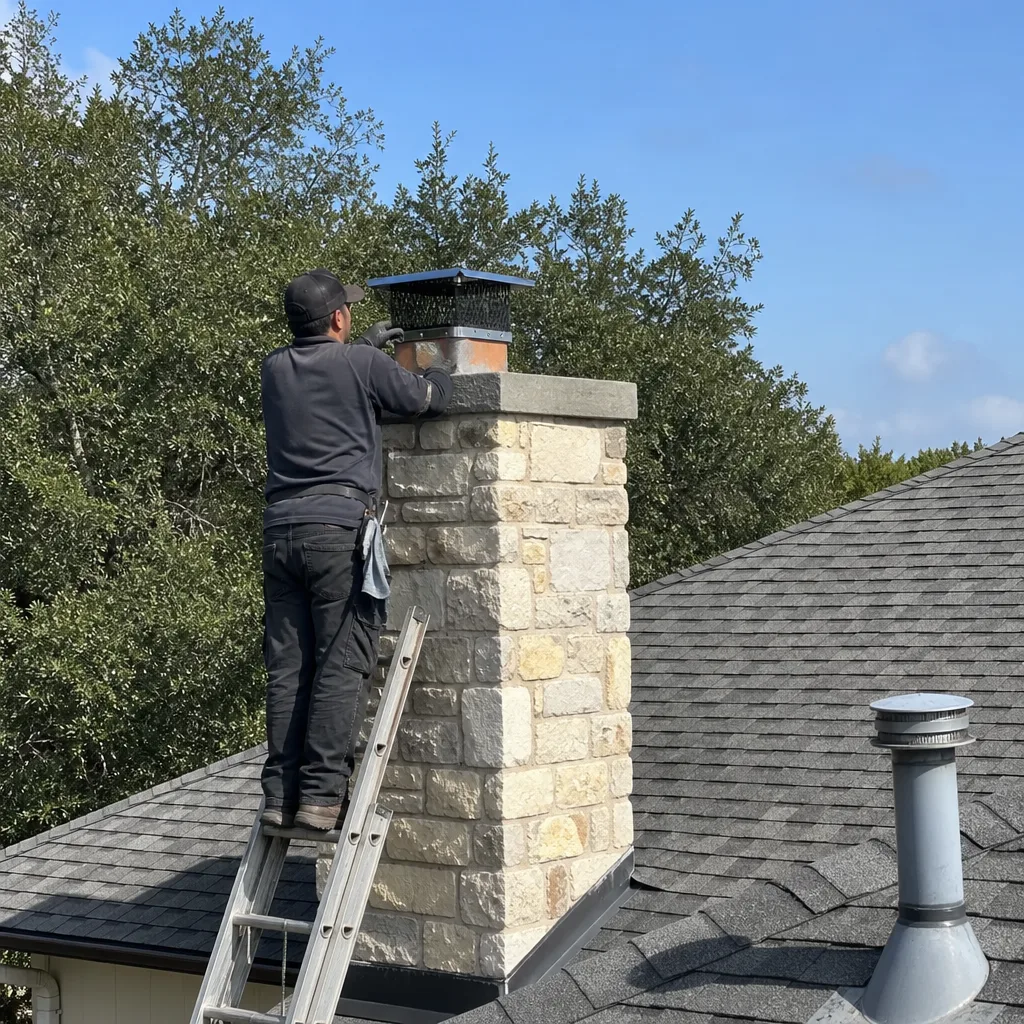
- Clean the chimney cap and spark arrestor. On a single-story home with a walkable roof pitch, this is straightforward. Debris, leaves, and creosote buildup on the cap screen restrict airflow and can cause smoky fires. A stiff brush and a pair of gloves handle this in about twenty minutes.
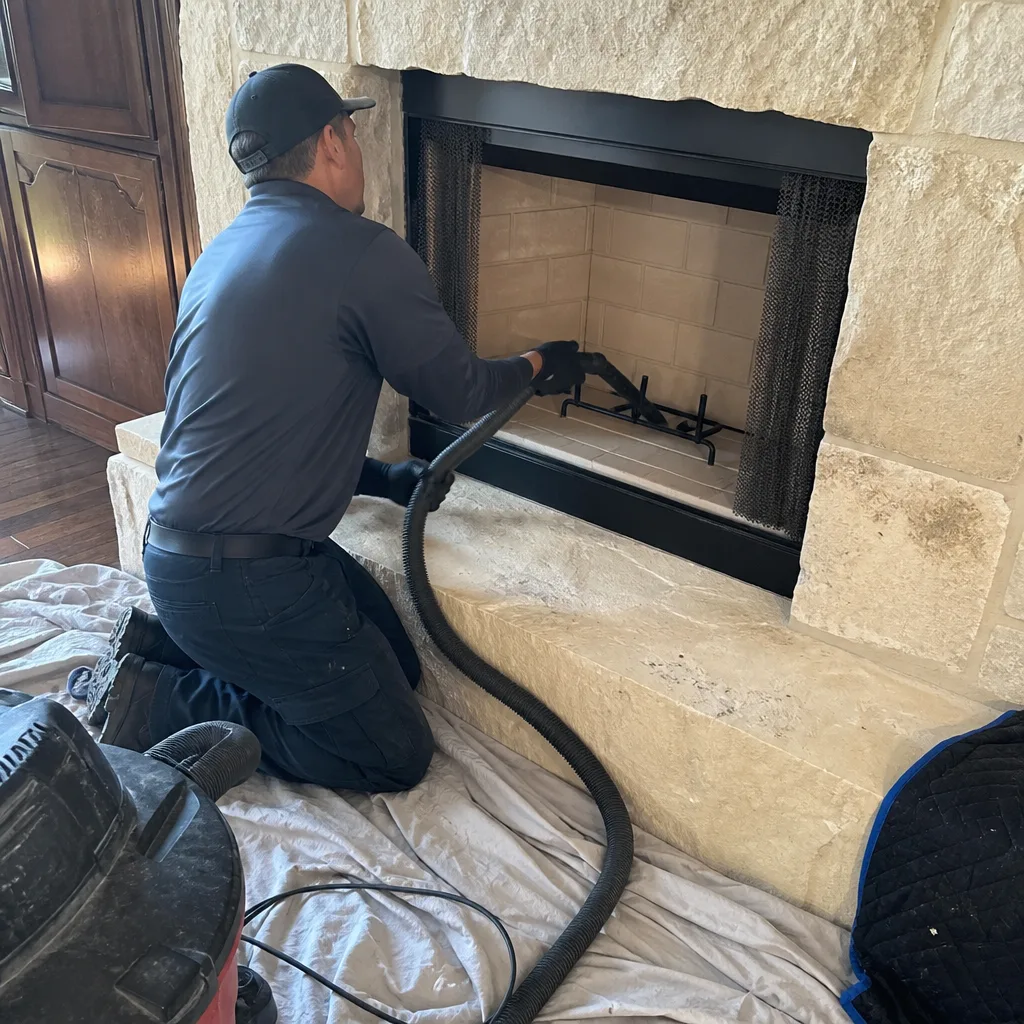
- Vacuum the firebox. The firebox is the chamber where the fire actually burns. After the ashes are fully cold (wait at least 72 hours after the last fire), a standard shop vacuum with a HEPA filter removes ash and loose debris. This is basic housekeeping, not chimney work.
- Do a basic visual check. With a flashlight, look up from the firebox. You can see obvious problems: a damper that won’t move, visible rust, or a significant amount of flaky black soot sitting on the smoke shelf. You cannot see the full flue, but you can spot conditions that warrant a professional look.
- Replace the damper handle or firebox grate. These are consumable parts that wear out. If you can reach them, you can swap them. No ladder required.
These four tasks cover about 80% of what a DIY chimney cleaning kit markets itself as doing. They’re genuine maintenance, and they save a homeowner the cost of a professional visit when the fireplace is used lightly and the system is in good condition. But notice what’s not on this list: brushing the flue itself, inspecting the liner, or evaluating creosote inside the smoke chamber. That’s where the honest line gets drawn.
What DIY Chimney Cleaning Kits Actually Do (And What They Can’t)
You’ve seen the kits at hardware stores in Austin: a poly brush, a few fiberglass rods that screw together, maybe a tarp and a pair of gloves. They cost between $30 and $80. And they do exactly one thing competently, says Nathan Corliss, Owner at Ashby Chimney Austin home: they knock loose the first stage of creosote from the flue walls if you can physically run the brush through the flue from the top down or the bottom up.
What those kits actually do well:
- Remove loose, dusty soot. Stage-one creosote is a soft, flaky residue similar to campfire ash. A brush run through a straight flue will dislodge a meaningful amount of it.
- Give you a very rough sense of flue condition. If the brush meets resistance halfway down, that tells you something is in the flue: a bird nest, a collapsed liner section, or heavy glazed buildup. The kit won’t tell you which one.
- Save one sweep’s cost on a lightly used prefab fireplace with a short, straight flue. In that narrow scenario, a DIY brush clean is functionally similar to what a professional sweep does with a manual brush.
What they physically cannot do:
- Access offset flues. Many Austin homes built between 1970 and 1995 have masonry chimneys with offset flue sections, which were standard construction for split-level and two-story floor plans of that era. A straight fiberglass rod cannot navigate the bend. At best it jams. At worst it breaks off inside the flue and creates an obstruction that costs more to remove than the sweep would have cost.
- Remove glazed creosote. Stage-three creosote is a hard, shiny, tar-like coating that bakes onto flue walls. A poly brush doesn’t scratch it. Removing it requires mechanical rotary tools with steel or carbide heads, and often a chemical treatment first. DIY kits don’t include these tools because they require training to use without damaging the liner.
- Inspect the liner. The brush tells you the flue is open. It does not tell you whether the clay liner has cracked, whether the mortar joints have eroded, or whether a steel liner has separated at a seam. These are the conditions that actually cause chimney fires and carbon monoxide intrusion.
- Evaluate the smoke chamber. The smoke chamber sits above the damper and below the flue. It’s corbeled brickwork on older Austin homes, often with rough mortar joints that collect creosote. A brush run from the top skips this area entirely. A brush run from the bottom can’t reach it. It’s the single most overlooked fire-risk zone in residential chimneys.
When we perform a Chimney Sweep in Austin, we’re not just running a brush. We’re removing the creosote, inspecting what the creosote was hiding, and documenting what we found. The brushing is the easiest part. The assessment is the actual work.
When DIY Creates More Risk Than It Eliminates
The decision isn’t about effort or even skill. It’s about what you cannot see. A chimney fire doesn’t start in the firebox you can vacuum. It starts in the flue or smoke chamber where creosote has built up beyond what any homeowner can assess from the ground.
Here are the specific scenarios where DIY chimney cleaning creates more risk than it removes:
Glazed creosote is present
Glazed creosote is the residue of burning unseasoned wood or smoldering fires at low temperature. It’s shiny, dark, and dense. It ignites at a lower temperature than other creosote stages and burns long and hot once lit. A DIY brush pass skims over it, leaving a fire hazard in place while giving the homeowner the false impression that the chimney is clean. That false confidence is worse than no cleaning at all.
The liner has not been inspected recently
A clay liner cracks from thermal stress over years of heating and cooling cycles. A steel liner corrodes, especially in humid climates like Austin’s, where the shoulder seasons bring heavy condensation inside unlined chimneys. Neither condition is visible from the firebox or the roof without a specialized camera. A homeowner who brushes the flue and calls it done has cleaned a chimney that may still be venting combustion gases through a cracked liner into the wall cavity.
There’s visible soot past the smoke chamber
Stand in front of your fireplace with a flashlight and look up past the damper. If you see flaky black residue on the smoke chamber walls or staining around the damper frame, stop. Do not attempt a DIY clean. That level of buildup means the system has been drafting poorly, and the problem is not going to be solved by brushing. It needs a professional evaluation of draft, liner condition, and creosote stage.
The chimney has an offset flue
As noted above, offset flues are common in Austin’s 1970s-to-1990s housing stock, particularly in neighborhoods like Allandale, Crestview, and Northwest Hills where mid-century and late-century masonry construction dominates. A DIY brush inserted into an offset flue can lodge at the angle and break. Extracting a broken rod section from a tile-lined flue is a service call that costs more than the sweep you were trying to avoid.
The home has a history of drafting problems
If you’ve noticed smoke rolling back into the room when you light a fire, or a persistent campfire smell in the house after the fire is out, the issue is not just creosote. It’s airflow. That’s caused by anything from an undersized flue to a chimney cap that’s too low to negative air pressure from a tight building envelope. A brush won’t fix it. It needs a diagnostic eye.
Austin-Specific Factors That Change the Math
Austin isn’t a cold-climate city, and that actually makes chimney maintenance here more complicated, not less. Our Seasonal Chimney Cleaning Care for Austin: Year-Round Homeowner’s Guide covers this in depth, but here are the key reasons:
Burning season is short, so creosote ages between burns. In colder cities, fires burn daily for months, and the heat cycles keep creosote from hardening into the glazed stage. In Austin, most homeowners burn a few dozen fires between November and February, then the fireplace sits dormant for eight months. That long dormancy lets stage-two creosote harden into stage-three glaze. What starts as a brushable residue in January can become a varnish-like coating by September.
Live oak and cedar are not the same as northern hardwoods. Austin fireplace wood is overwhelmingly live oak, post oak, and mountain cedar. Live oak burns hot and clean when properly seasoned, but mountain cedar burns fast and smoky, producing elevated creosote deposition relative to its heat output. A homeowner burning unseasoned cedar is laying down creosote at an accelerated rate without realizing it.
Humidity accelerates liner corrosion. Austin’s average morning humidity exceeds 80% for most of the year. When warm, humid air meets a cold flue, condensation forms inside the chimney. That moisture attacks steel liners and erodes mortar joints in clay tile systems. A homeowner doing a visual check from the firebox can’t see the corrosion happening in the upper third of the flue.
Limestone and masonry movement. Austin sits on expansive clay soils that move seasonally. That movement cracks brick exteriors and mortar joints, and those cracks allow rain intrusion into the chimney chase. Water plus creosote creates an acidic slurry that degrades flue liners faster than creosote alone. If your chimney exterior shows hairline cracks, the interior needs more than a brushing.
The Liability Question: What Texas Insurance May Require
Here’s the part most DIY guides skip. Say you clean your own chimney, miss a glazed creosote section, and have a chimney fire three months later. The fire is contained to the chimney, but it cracks the liner and damages the smoke chamber. You file a claim.
Your Texas homeowner’s insurance provider will ask one question, and it will matter more than any other: when was the chimney last professionally inspected and cleaned? If the answer is “I did it myself,” the provider may deny the claim on the grounds of homeowner negligence, especially if the cause of the fire was creosote ignition. Many Texas policies require documented professional maintenance for wood-burning appliance claims. Some policies require it annually.
Documentation matters. A professional sweep generates a record: the date, the service performed, the condition observed, and the recommendation given. That record is what insurance adjusters look for after a chimney fire. A homeowner with a clean receipt from a licensed sweep is in a materially better position than a homeowner who says they brushed the flue in March. This is not a scare tactic. It’s how claims adjusters operate, and it’s why the cost of a Chimney Inspection in Austin is best understood as documentation, not just cleaning.
We’ve also seen the other side: a homeowner who cleaned their own chimney, saw what they believed was a clean flue, and later learned their liner had been cracked for years. The carbon monoxide was venting into the wall cavity, not the living space, so the detectors never triggered. The problem was found during a home sale inspection. The fix cost six times what a decade of professional sweeps would have cost.
The Decision Framework: If X, DIY. If Y, Call.
Every homeowner wants a clean rule. Here is the most honest one we can give you:
DIY is reasonable if ALL of these are true:
- You have a prefab (factory-built) fireplace, not a site-built masonry chimney.
- You burn fewer than 12 fires per season.
- Your home is single-story, and you can access the roof safely or clean from inside.
- You burn well-seasoned hardwood, not green cedar or construction scrap.
- Your last professional inspection was within the last three years and found no issues.
- You can see the full flue from the top or bottom, and it’s straight.
- When you shine a light up from the firebox, you see gray dust, not black flakes or shiny glaze.
If every one of those is true, vacuum the firebox, clean the cap, and skip the brush kit entirely. Your chimney doesn’t need it.
Call a professional if ANY of these are true:
- You have a masonry chimney (brick or stone exterior).
- You see shiny black glaze or thick black flakes anywhere above the damper.
- Your home was built before 1995, and the flue has not been camera-inspected in the last five years.
- You smell smoke or campfire inside the house after the fire is out.
- You burn more than two cords of wood per season.
- You bought the house recently and have no maintenance records for the chimney.
- You cannot see the chimney cap from the ground, meaning the roof access is beyond your comfort level.
That second list is longer than the first for a reason. Most Austin chimneys fall into the professional category, not because homeowners are incapable, but because the conditions that make DIY safe are rare in this housing stock; our guide on How to Hire a Chimney Cleaning Contractor in Austin: A Step-by-Step Guide explains what to look for in a pro. Prefab fireplaces in new construction with light seasonal use? DIY is fine. Masonry chimneys that haven’t been inspected since the Clinton administration? That’s not a cleaning job; that’s a condition assessment.
What Professional Cleaning Costs in Austin
Let’s talk numbers, because the decision almost always comes down to cost. In the Austin market, a standard chimney sweep runs between $180 and $340 for a single masonry fireplace with a straight flue. Prefab systems run slightly lower, typically $140 to $220. Add $80 to $150 for a Level 2 camera inspection if the sweep reveals conditions that warrant one.
Here’s a plain table for reference:
- Prefab fireplace, standard sweep: $140 – $220
- Masonry fireplace, standard sweep (straight flue): $180 – $340
- Masonry fireplace, offset flue or high roof access: $240 – $420
- Level 2 camera inspection (often recommended for older Austin homes): $100 – $200 added
- Glazed creosote removal (rotary treatment): $300 – $600, size-dependent
- Smoke chamber parging (if needed): $500 – $1,200, scope-dependent
Compare those numbers to the alternative. A chimney fire even when contained typically causes $2,000 to $5,000 in liner and smoke chamber damage. If it escapes the chimney into the structure, the claim runs into six figures. The DIY kit saved you $250 and created a documented liability gap at the same time. That math doesn’t work.
At Ashby Chimney Austin, every job gets a written price before any work starts. The number on the invoice matches the number we quoted at the door. No add-ons, no scope changes without your approval. That’s the Fireplace Repair in Austin standard we’ve held since 2002, and it’s the minimum any homeowner should accept from any chimney company.
Common Mistakes to Avoid
- Using a chimney sweeping log as a substitute for a sweep. These logs contain a chemical that partially converts glazed creosote to a brushable form. They do not remove creosote; they soften a narrow band of it. In Austin, where the dormant season hardens creosote into glaze, these products give a false sense of security. They’re a supplement at best, never a replacement.
- Vacuuming ashes with a standard shop vac without a HEPA filter. Standard shop vac filters don’t trap fine ash particles; they blow them through the exhaust and into your living room. Fine ash contains silica. You don’t want that aerosolized in your home. If you vacuum a firebox, use a dedicated ash vacuum or a shop vac with a HEPA bag.
- Assessing flue condition with a flashlight from the bottom. You can see about four feet up a typical fireplace flue from the firebox. The remaining 75% of the flue is invisible to you. A dark, shadowed flue says nothing about its actual condition. Most chimney damage occurs in the top third of the flue, exactly where a homeowner’s visual check cannot reach.
- Brushing an offset flue with a flexible rod kit. You’re not cleaning the flue; you’re testing whether the rod holds. If it breaks, the extraction cost starts at $300 and goes up from there. Offsets require professional rotary equipment or the correct manual technique, not a hardware store kit.
- Skipping the cap because it’s inconvenient to reach. The cap is the most common blockage point in Austin, thanks to oak pollen, cedar debris, and the occasional bird or squirrel. A clogged cap starves the fire of draft and forces smoke back into the room. A few minutes on a ladder fixes it. A season of smoky fires and built-up creosote doesn’t.
- Waiting until October to schedule a professional sweep. Austin’s sweep season compresses into September, October, and November. By October, reputable companies are booked two to three weeks out. Schedule your sweep in August or early September, before the first cold front. You’ll get the date you want and the written price before the rush.
- Treating a prefab and a masonry chimney as the same job. They are fundamentally different systems. A prefab chimney is a manufactured, insulated, double-wall pipe system with an engineered clearance to combustibles. A masonry chimney is a site-built structure with clay or steel liners that degrade over time. What works for one does not transfer to the other. This distinction alone determines whether DIY is safe for your home.
When to Call a Professional
If you’ve read this far and still aren’t sure, call. A professional evaluation doesn’t commit you to a cleaning. Ashby Chimney Austin offers free estimates in Austin. We’ll come out, look at the system, and tell you plainly what it needs and what it doesn’t. If the chimney is clean and the liner is sound, we’ll tell you that and recommend the next inspection date. If the chimney needs work, you’ll get a written price before anything starts. Call (254) 274-4486 to schedule. No pressure, no upselling at the door, no mystery pricing.
Frequently Asked Questions
Most Austin homeowners need a professional sweep every one to two years, depending on burn volume. The National Fire Protection Association standard (NFPA 211) recommends a sweep when creosote reaches 1/8 inch of buildup, which most homeowners cannot measure themselves. Homes that burn more than one cord per season or use unseasoned wood typically need annual service. Light-use prefab fireplaces can stretch to every two to three years with a professional inspection at the same interval.
Yes, if the roof is walkable and you can access the cap without a dangerous ladder angle. Clean the cap with a stiff brush and check the spark arrestor screen for blockage. Vacuum the firebox with a dedicated ash vacuum or a HEPA-equipped shop vac after the ashes have been cold for at least 72 hours. Both tasks are safe for a capable homeowner and represent legitimate maintenance between professional visits.
You need a new liner if a camera inspection shows cracks, gaps, or separation in the existing liner, or if the original clay tile liner is missing sections. Those are objective, visible conditions, and you should see the camera footage yourself. At Ashby Chimney Austin, we don’t recommend liner work without showing you the video and explaining exactly what you’re looking at. If a company refuses to show you the evidence, get a second opinion.
Creosote builds up in layers. Stage-one dust becomes stage-two flakes, and stage-two flakes become stage-three glaze. The glaze hardens over the dormant months and becomes progressively harder to remove. Inside the flue, the same neglect hides liner damage that worsens with each thermal cycle. Eventually, one of two things happens: a chimney fire ignites the accumulated creosote, or a cracked liner begins venting combustion gases into the home’s structure. Both are expensive. Neither gives a warning.
For any masonry chimney older than ten years, yes. The camera shows the flue’s full length, the smoke chamber, and the liner condition in detail you cannot get from either a flashlight or a brush. In Austin’s older housing stock, particularly homes with offset flues or original clay liners, the camera inspection is the difference between guessing and knowing. We recommend it at least once every three to five years for all masonry systems.
Most Texas policies cover chimney fire damage if the homeowner can show the chimney was properly maintained. The standard the adjuster applies is documented professional service. A receipt from a licensed sweep is the strongest evidence. A homeowner’s claim of “I cleaned it myself” is far weaker and often results in delayed or denied claims. Before you skip the professional sweep to save money, think about what the insurance company will ask if something goes wrong. Then call (254) 274-4486 for a free estimate.
The Bottom Line
DIY chimney cleaning is not a scam, and it’s not universally dangerous. It’s a narrow tool that fits a narrow set of Austin homes: prefab fireplaces, light use, straight flues, recent professional inspection, and no visible creosote past the firebox. If you meet all those conditions, vacuum the firebox and clean the cap twice a season, and save the sweep cost. For everyone else, the professional route is not a luxury. It’s documentation, it’s inspection, and it’s the only reliable way to know your chimney isn’t hiding the thing that burns your house down. Browse more guides & resources on chimney safety and maintenance. Ashby Chimney Austin has served Austin since 2002 with written pricing, written guarantees, and the Kingswell Guarantee on every repair. Call (254) 274-4486 for a free estimate, and we’ll tell you straight what your chimney needs.
Written by Nathan Corliss, Owner at Ashby Chimney Austin, serving Austin since 2002.
See the difference
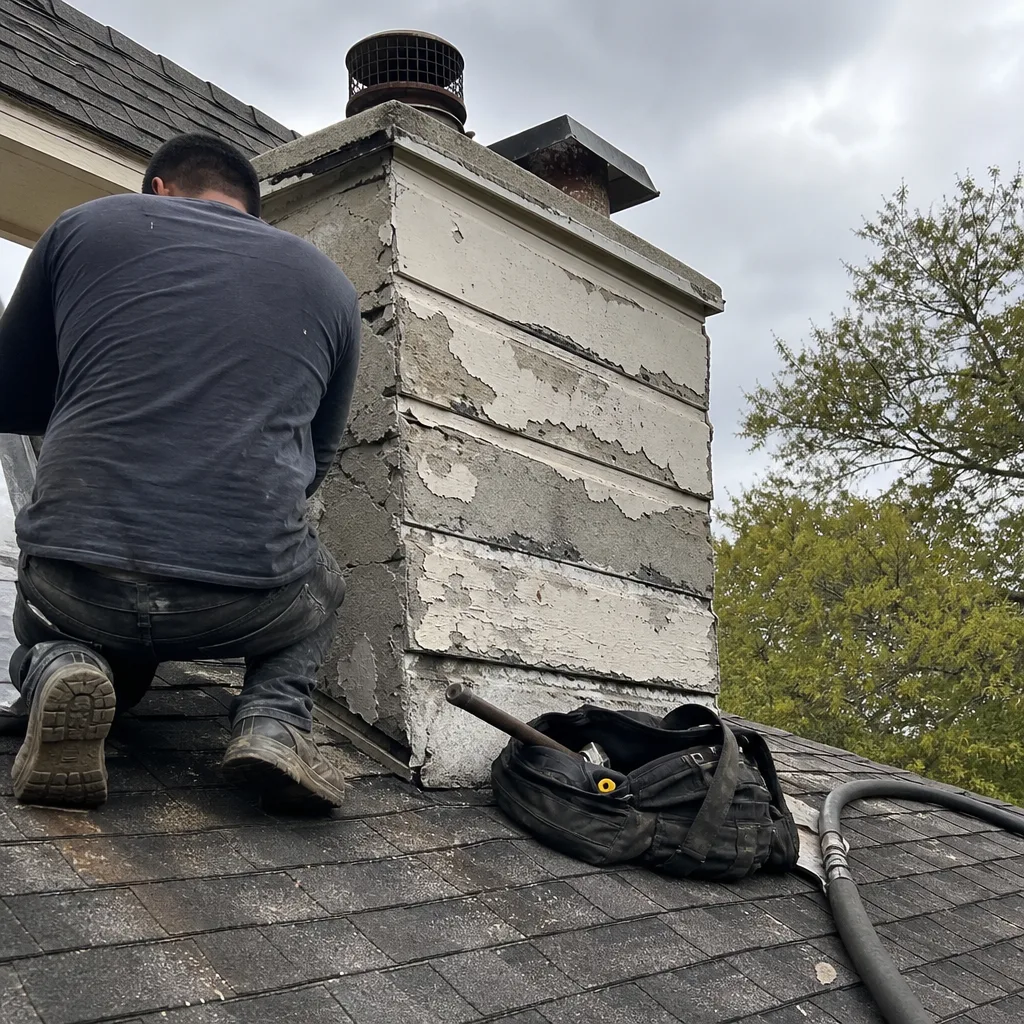 Before
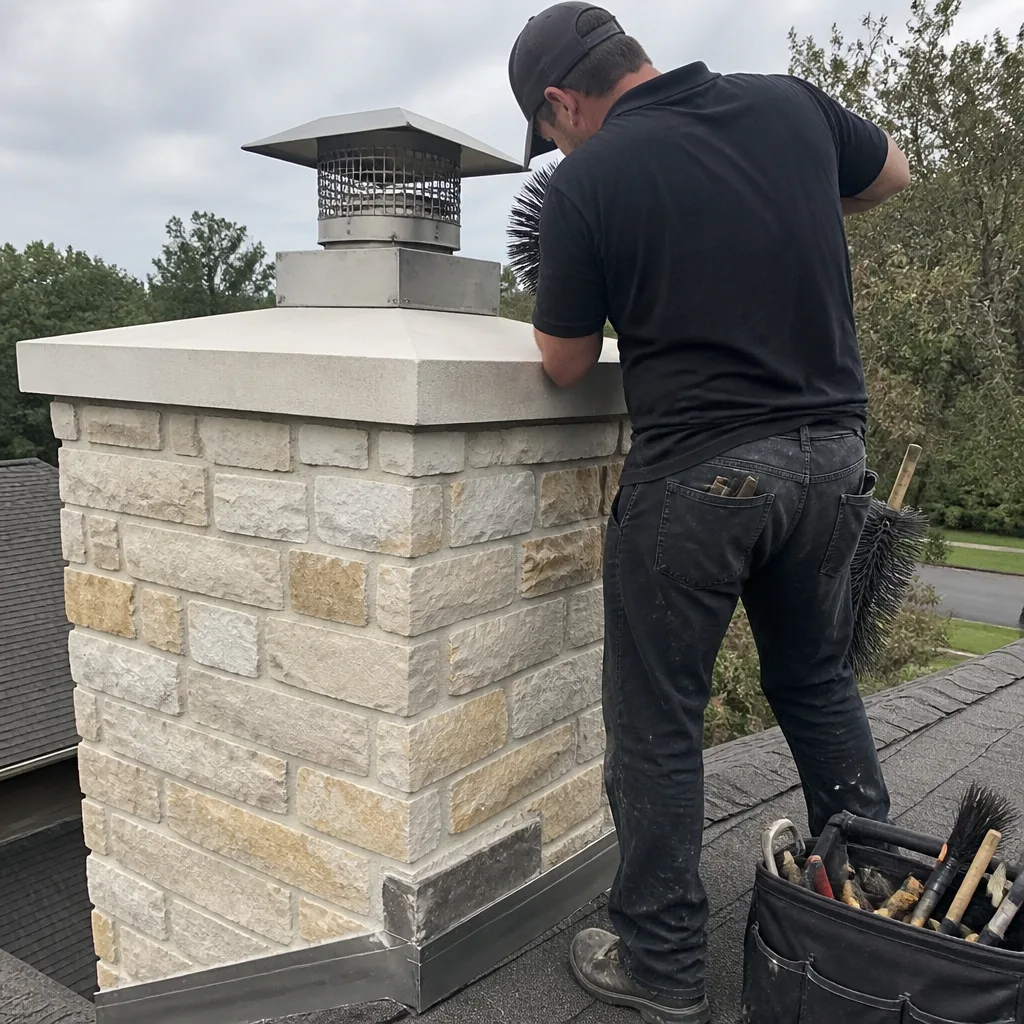 After
After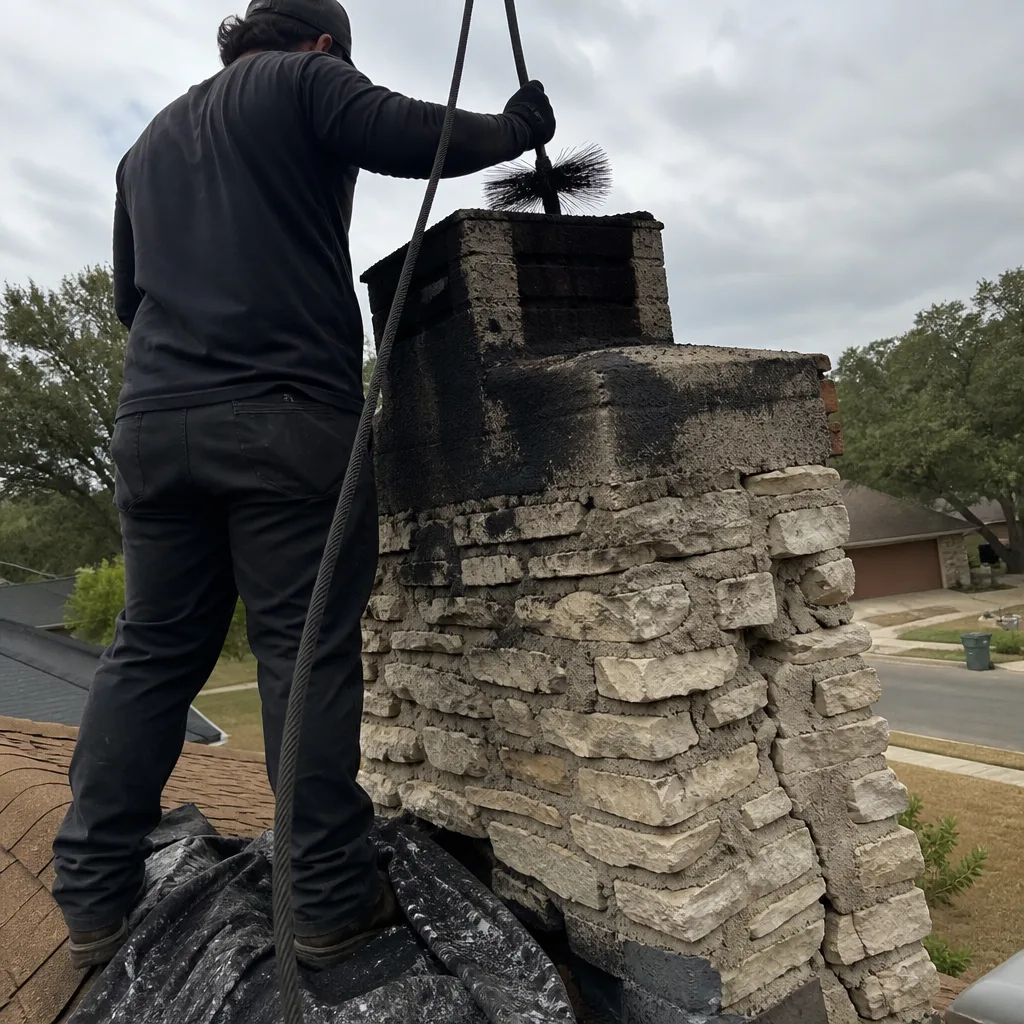 Before
 After
After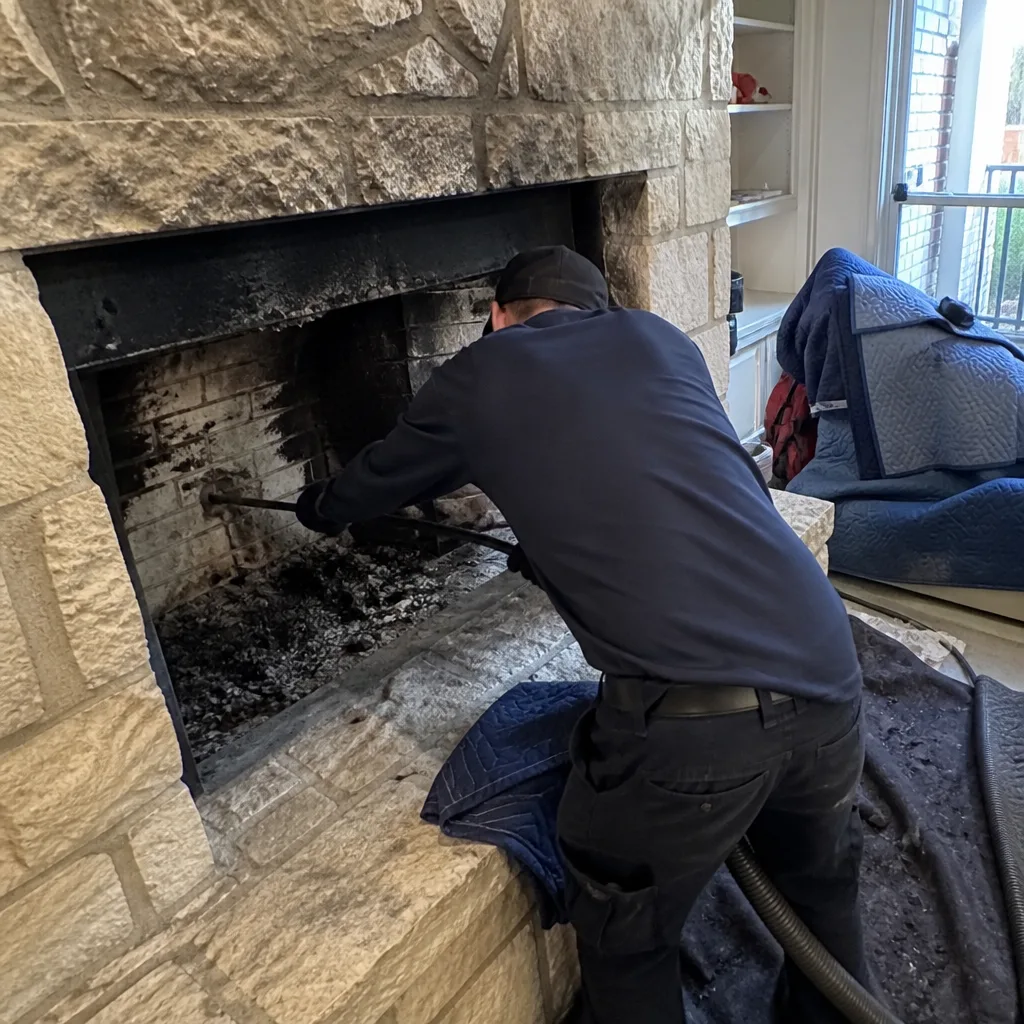 Before
 After
After