
Last updated October 15, 2026
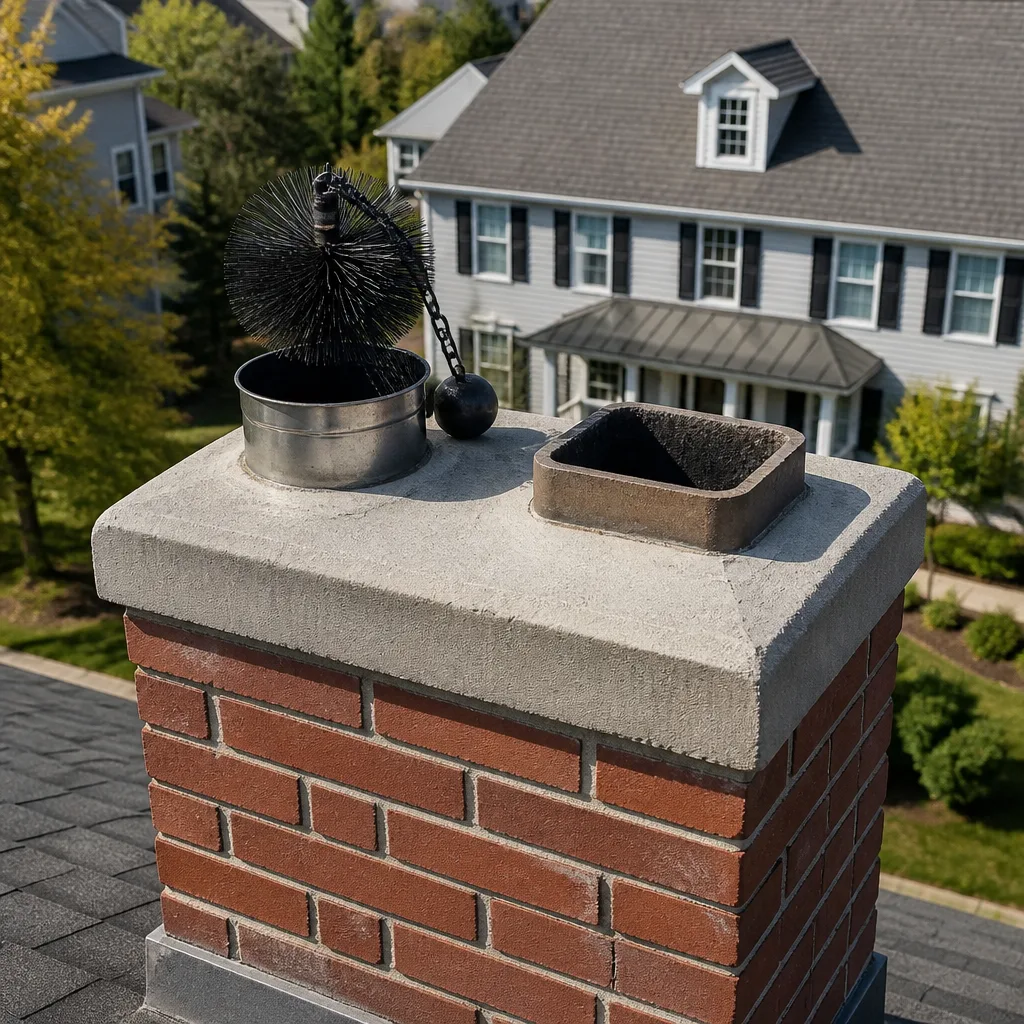 Sweep & inspection
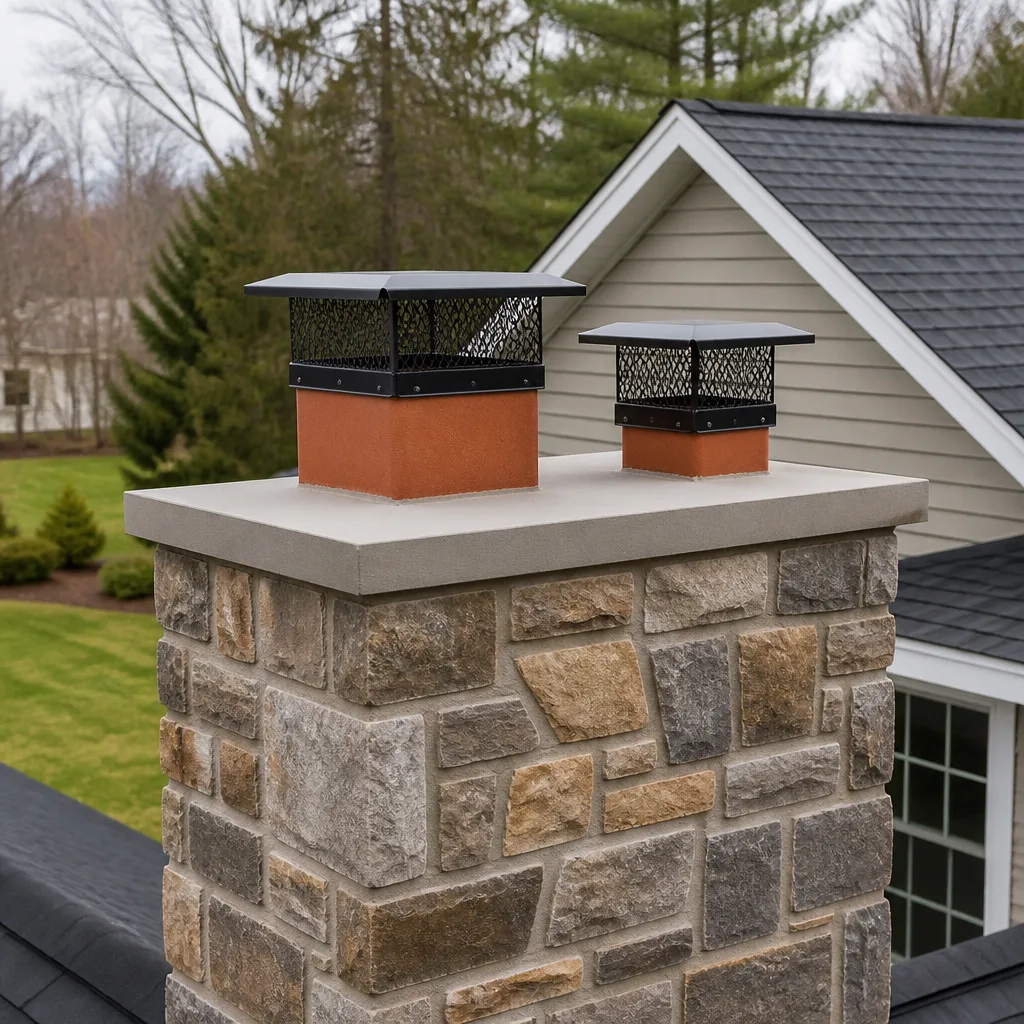 Caps & crowns
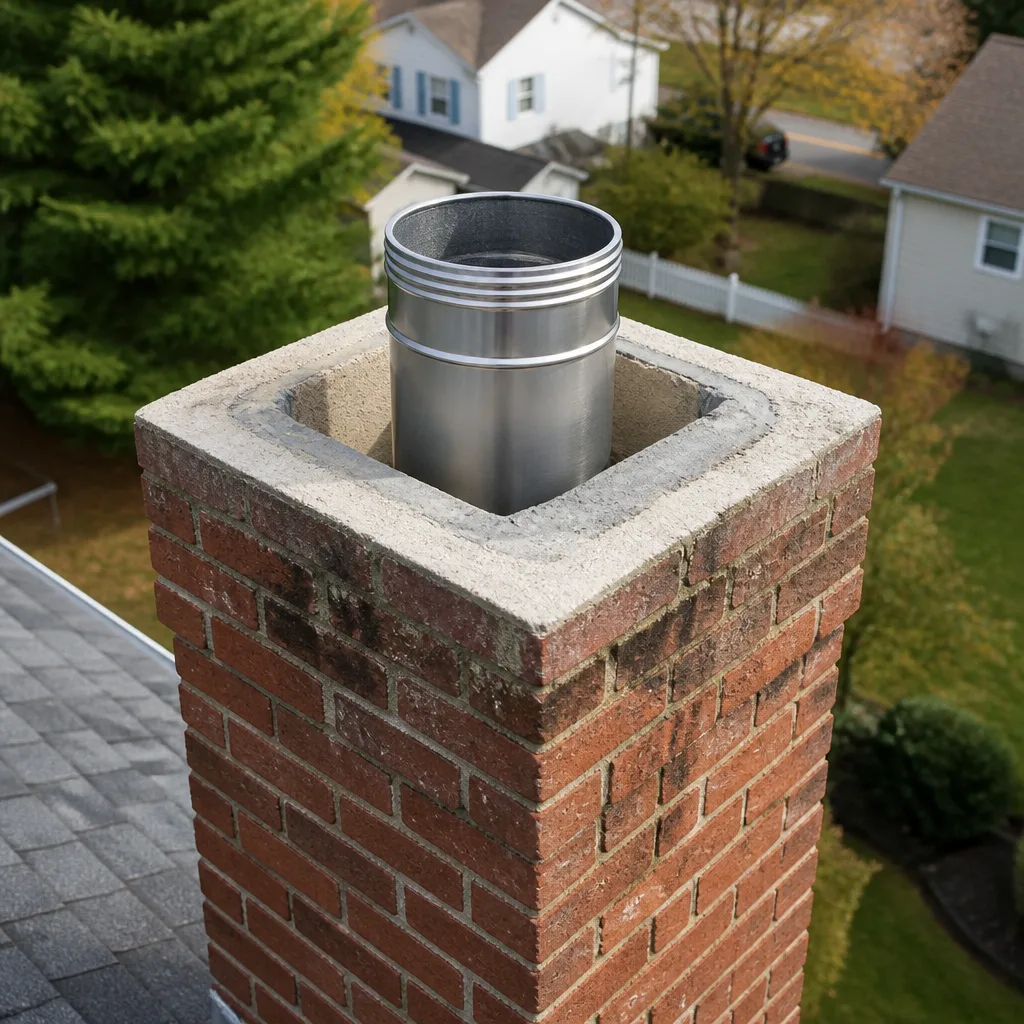 Flue relining
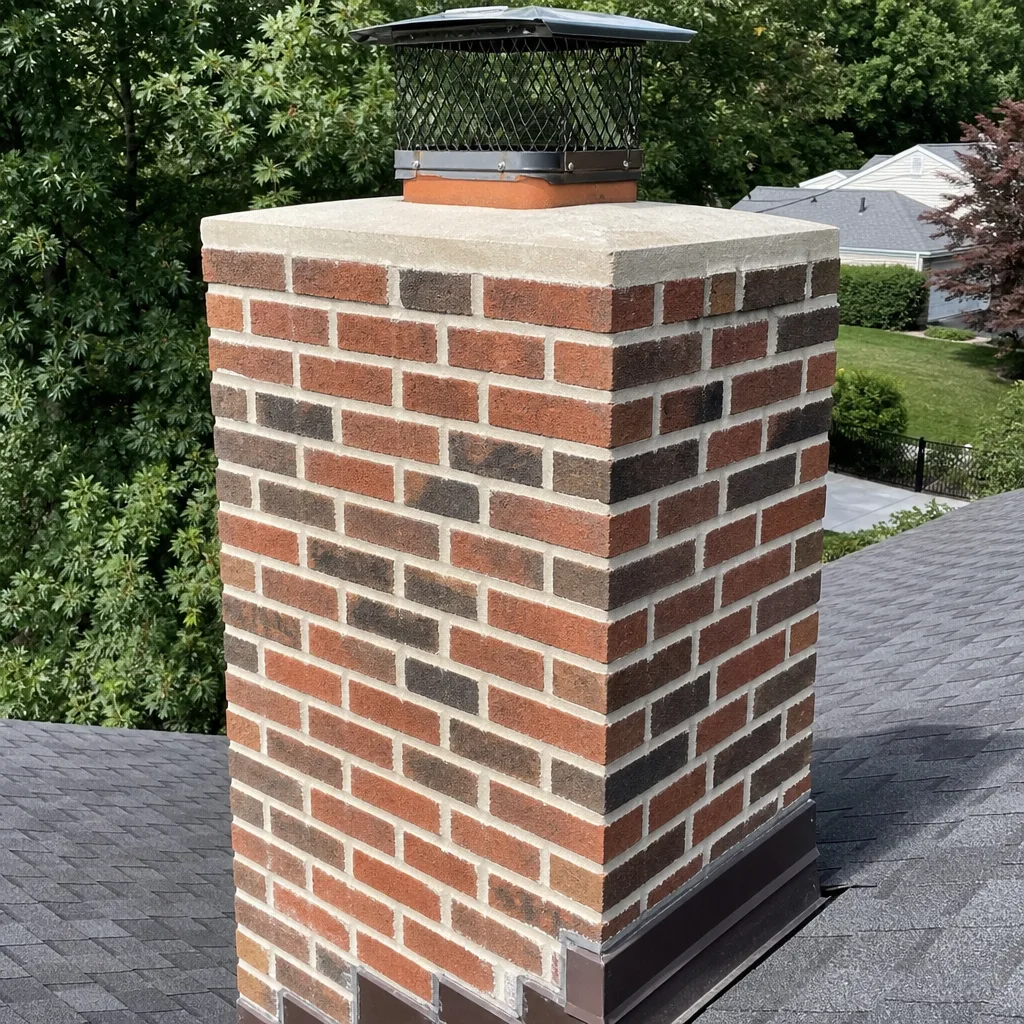 Masonry repair
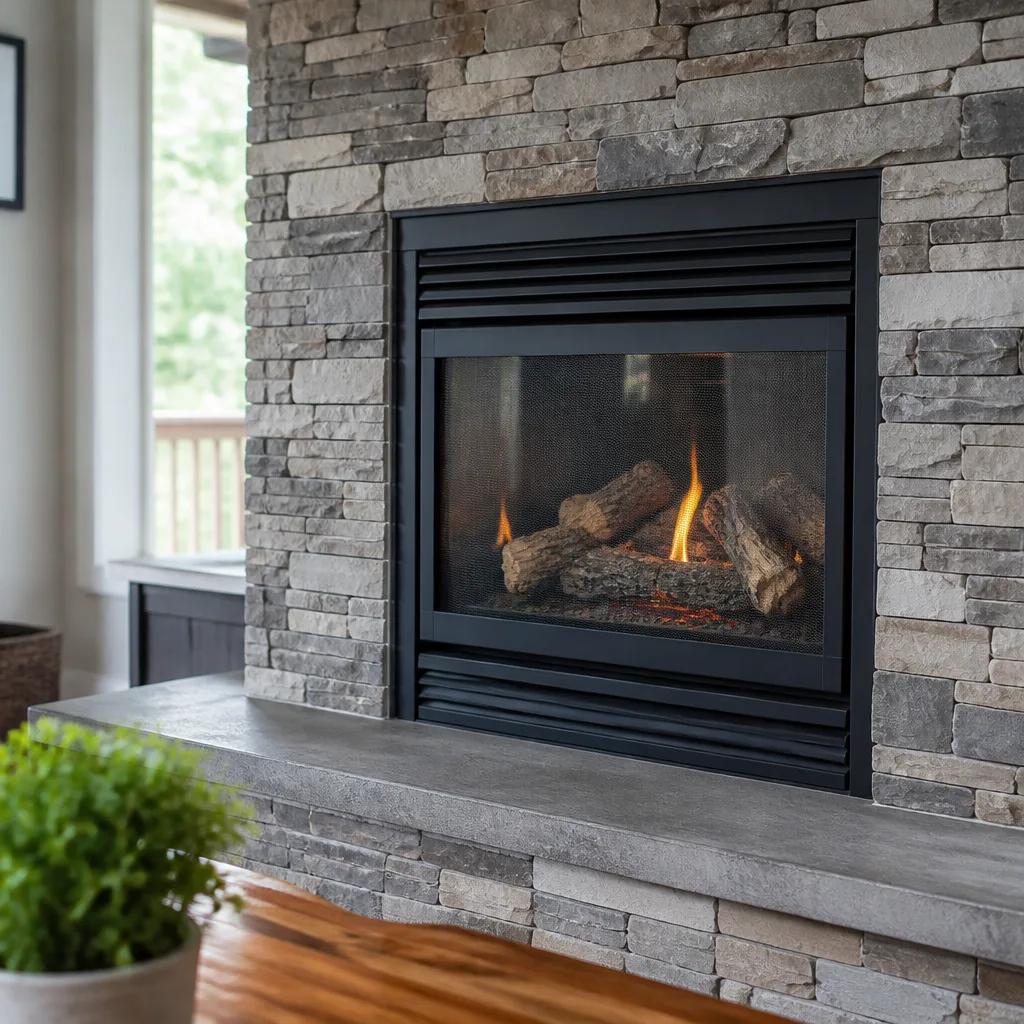 Gas fireplace service
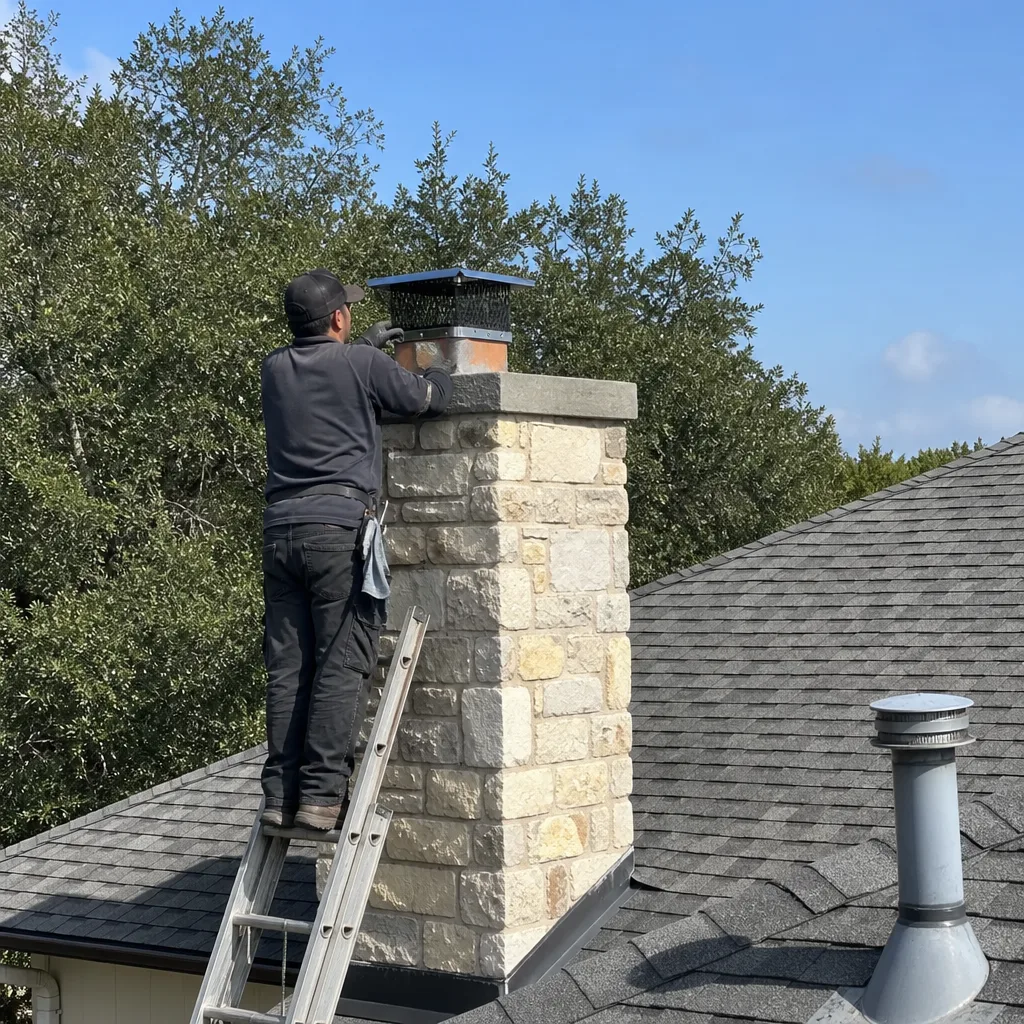
Level 1 sweep and inspection to the NFPA 211 annual standard - flue, crown, cap, and flashing checked and photographed
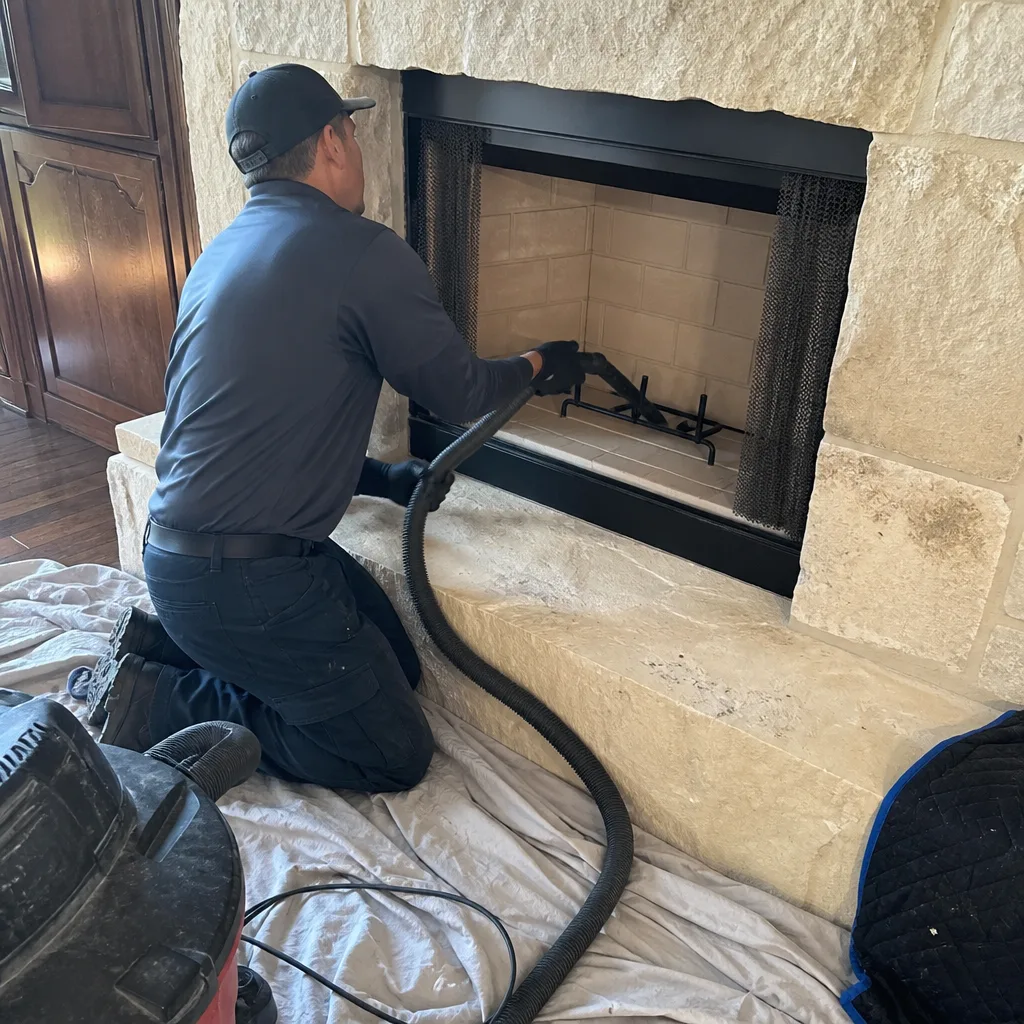
Chimney sweep logs do not sweep chimneys. They loosen some creosote - which then falls where a brush and vacuum still have to collect it.
Seasonal Chimney Cleaning Care for Austin: Year-Round Homeowner’s Guide
Most national chimney guides tell you to book a sweep in early fall, right before burn season. That advice was written for Minneapolis and Boston, where a cold snap in September means the first fire of the year. Austin doesn’t work that way. Our fireplace season is October through February, and the worst damage to your chimney doesn’t happen during those months. It happens in July, when attic temperatures climb past 140°F and bake the damper seals and mortar joints that spring rains already stressed. This guide walks through what your chimney actually needs in each Austin season, what you can safely check yourself, and when a trained sweep should take over. If you own a fireplace in Austin, this is the only seasonal guide written specifically for our climate, our soil, and our burn patterns.
Quick Answer
In Austin, the most useful chimney maintenance schedule is: sweep and inspect in late spring (April – May), do a light summer check of the cap and chase cover in August, prep and smoke-test in late September or October, and monitor burn performance from November through February. A standard sweep in Austin runs between $180 and $320, and it’s the cheapest insurance you’ll buy against a chimney fire or carbon monoxide leak. See our Chimney Cleaning Cost Breakdown: The Austin Homeowner’s Reference for 2026 for a detailed price breakdown.
Styles & brands we work with
Table of Contents
- Fall (September – October): Prepping for the First Austin Fire
- Winter (November – February): Monitoring During Burn Season
- Spring (March – May): Why Spring Is the Right Time to Clean in Austin
- Summer (June – August): Heat Damage and Why a Cap Inspection Matters in August
- Keeping a Seasonal Log: Spot Problems Before They Become Repairs
- What Makes Austin Chimney Care Different from National Advice
- Common Mistakes to Avoid
- When to Call a Professional
- Frequently Asked Questions
Fall (September – October): Prepping for the First Austin Fire
By late September, the mornings finally dip below 70°F and you start thinking about that first fire. Here’s the thing: in Austin, fall prep is less about cleaning and more about verifying. If you swept in spring (which we recommend), fall is a short checklist, not a full job. If you didn’t sweep in spring, fall becomes your catch-up window. Either way, here’s the order of operations we recommend.
The Austin fall prep sequence:
- Visual check of the firebox and flue opening. Shine a flashlight up from the firebox. You’re looking for anything that wasn’t there last time you looked: cracked firebrick, loose mortar, a damper plate that won’t fully open or close, or staining that suggests water got in over the summer. Don’t climb a ladder. This is a from-the-living-room check.
- Run a smoke test before any actual fire. Crumple a few sheets of newspaper, light them in the firebox, and watch where the smoke goes. It should draw up and out cleanly, even with the damper partway open. If smoke spills into the room, or if you smell it upstairs minutes later, your flue isn’t drawing. That’s usually a blockage (a bird’s nest from spring, or a fallen cap), a damper issue, or a cold flue that needs a moment. A failed smoke test is your signal to call a Chimney Sweep in Austin before you burn so much as a Duraflame log.
- Check the damper seal. Open and close the damper a few times. Austin summers are brutal on the metal-to-metal or metal-to-ceramic seals. If you feel play, if the handle has more travel than it used to, or if you can see daylight around the edges when closed (on a top-sealing damper), it’s time for a repair. A damper that won’t seal is how you air-condition the neighborhood all summer and lose heat all winter.
- Look at the cap from the ground. Walk out to the street or the driveway and look at the chimney crown. Do you see a cap? Is it still straight? After our spring hail and summer storms, caps get dented, shifted, or blown clean off. A missing cap is an open invitation for squirrels, raccoons, and rainwater.
- Schedule an inspection if anything looks off. If the smoke test fails, if you see staining, or if you haven’t had an inspection in three or more years, book one before the first real burn. An Austin inspection costs less than a chimney fire cleanup, and that’s not a scare line. It’s arithmetic.
In our experience serving Austin homeowners since 2002, the single most common fall surprise isn’t creosote. It’s a damper that seized over summer because the seal dried out and cracked in July heat. The smoke test catches it in three minutes.
Winter (November – February): Monitoring During Burn Season
Austin’s burn season is short, intermittent, and then occasionally interrupted by a hard freeze like February 2021. The specific things to watch in a mild climate are different from what a Minnesota homeowner faces. You’re not fighting daily creosote buildup from burning eight hours a day. You’re watching for chimney cleaning warning signs that indicate a deeper problem, and you’re keeping an eye on moisture intrusion during our weird winter rain events.
What to monitor during Austin’s burn season:
- Smoke behavior. The fire should draw consistently. If it starts drawing well and then begins spilling smoke 20 minutes into a burn, that’s not normal. It can mean the flue is narrowing due to creosote buildup, or a section of liner is damaged. On days when you haven’t lit a fire, check for a faint smoky smell in the house. That’s often a drafting problem or a small leak in the flue.
- Burn performance. Dry hardwoods like post oak and live oak (both common in Austin firewood piles) should catch and hold with little smoke. If your fires are sluggish, if wood hisses and steams, or if you’re getting lots of black smoke, the wood itself may be too wet. But if dry wood burns sluggishly too, that points to an airflow problem in the flue, not the firewood.
- Water stains around the fireplace. After a heavy winter rain, check the walls and ceiling around the chimney chase. A rust-colored drip, a soft spot in drywall, or a water ring means your chimney’s cap, crown, or flashing is letting water in. Austin freeze-thaw cycles are infrequent, but when they hit, they hit hard. Water that got into hairline cracks in October freezes in a February cold snap, expands, and turns those hairline cracks into structural problems.
- Strange sounds. A chimney that whistles, pops, or makes odd rushing noises during a fire is telling you something. Whistling usually means the damper isn’t set right or the flue is partially obstructed. Popping sounds from the masonry itself can mean thermal stress in a clay liner, especially during those 20-minute cold-start burns where the flue heats very quickly.
- Freeze preparation. If a hard freeze is forecast, close the damper, but don’t seal the fireplace off completely. Trapped humidity inside the flue can condense and freeze against the liner. This is a minor point, but in Austin’s freeze-thaw pattern, it matters.
Most Austin homeowners burn wood 30 to 60 nights a season. That’s nothing compared to northern homes, but it still produces creosote. The rule of thumb is simple: a sweep after every 50 burns, or once a year, whichever comes first. If you’re burning a lot of pine or cedar (common in Texas), the threshold lowers. Pine creosote forms faster and is stickier than hardwood creosote.
Spring (March – May): Why Spring Is the Right Time to Clean in Austin
National guides say fall. We say spring, and we say it with conviction. Here’s why: in Austin, spring is when you can actually see the damage winter did. Creosote that accumulated over burn season sits in the flue all summer if you don’t clean it. In our climate, that creosote doesn’t stay dormant. It absorbs humidity from spring rains and the summer’s morning dew, and wet creosote is both harder to remove and more corrosive to metal liners and dampers than dry creosote. If you sweep in fall, you’re cleaning last season’s creosote after it’s had five months to harden and react with moisture. If you sweep in spring, you’re removing it while it’s still relatively fresh, and you’re setting up the summer dry season with a clean flue.
The spring sweep and inspection should cover:
- A full mechanical sweep of the flue, damper, firebox, and smoke chamber. This removes creosote from the winter’s fires before summer humidity sets in.
- A moisture check. Austin’s spring rains are the first real moisture event after winter. We check the cap, crown, flashing, and chase top for any signs that water got in. We also look for efflorescence (white mineral deposits) on the exterior brick, which is a telltale sign of moisture moving through masonry.
- Damper assessment. After a burn season, dampers often show wear. A Level 2 inspection includes checking the damper for warping, seal degradation, and proper operation.
- Flue liner assessment. We look for cracks, spalling, or gaps in the clay or metal liner. A cracked liner is how chimney fires start and how carbon monoxide enters the house. If the liner is damaged, products like HeatShield or Gelco can often repair it without a full rebuild.
- Documentation for your seasonal log. Take photos, note measurements, record the liner condition. This becomes your baseline for next year.
The practical result: if you sweep in spring, fall prep becomes a 20-minute checklist instead of an emergency call in November. You also get scheduling flexibility. Spring and early summer are slower seasons for chimney sweeps, which means you’re not competing for a fall slot when every other homeowner in Austin realizes their fireplace hasn’t been cleaned in three years.
Summer (June – August): Heat Damage and Why a Cap Inspection Matters in August
Summer is the off-season for fires, but it’s the most active season for damage in Austin. This runs counter to most national guides, which treat summer as a dormant period. It’s not dormant here. Here’s what’s actually happening to your chimney in a Central Texas summer.
Heat-specific damage mechanisms in Austin:
- Damper seal degradation. Attic temperatures in Austin regularly hit 140°F in July and August. The flue acts like a chimney stack even when you’re not burning: hot air rises, and that heat cooks the damper seal from above. Rubber and silicone seals eventually dry out and crack after enough exposure. A damper that fails in August doesn’t get noticed until October, and then the first cool snap reveals a house that won’t hold cold air or heat.
- Mortar joint stress. Clay flue liners and brick chimneys expand in heat and contract at night. Austin’s day-night temperature swings in summer (often 25 to 30 degrees) cause micro-movements. Over years, this is how mortar joints crack. Spring rains that filled those tiny gaps, followed by a 140°F attic, followed by rapid cooling at night, is the exact sequence that turns a minor issue into a needed repair.
- Chase cover warping. If your chimney is a wood-framed chase with a metal top (common in Austin subdivisions built since the 1980s), the metal chase cover takes direct sun all summer. Galvanized steel expands and contracts, and over enough Augusts, it warps at the corners and lets water in. Once water gets into the chase, it’s a slow, hidden leak into the wood framing.
- Creosote curing. The creosote from last winter’s fires doesn’t disappear. Summer heat bakes it hard and glassy. Glazed creosote is the hardest type to remove and the most flammable. This is another reason we push spring cleaning: creosote that’s been baked for an entire Austin summer is far more stubborn than creosote cleaned while fresh.
What to do in August:
- Inspect the cap and chase cover from the ground. Look for warping, rust, missing sections, or a cap that’s come loose. A drone photo or a pair of binoculars works if you’re not comfortable on a ladder. The goal is to spot problems before fall rains arrive.
- Check for wildlife entry. Austin’s squirrel and raccoon populations are active in summer. If the cap is missing or damaged, this is when they move in. Listen for scratching sounds in the chimney or walls near the fireplace.
- Smell test. On a humid day, stand near the fireplace. A sour or musty smell is often creosote reacting to humidity, or it’s moisture that entered through a compromised cap. Both are signals to book an inspection.
- Check the damper seal. Close the damper and hold your hand near the edges (with the firebox doors open). If you feel a draft of cool air escaping, your damper seal has likely degraded. That’s conditioned air leaving the house all summer.
Scheduling a cap and chase cover inspection in August, rather than October, puts you ahead of the fall rush and catches heat damage before the next rain season. It’s also when the damage is most visible: a chase cover that warped in July shows its warp clearly in August.
Keeping a Seasonal Log: Spot Problems Before They Become Repairs
Most chimney problems don’t appear suddenly. They develop over 18 to 36 months, and homeowners miss the trend because they don’t track it. A seasonal log solves this. The format is simple: once per season, write down three to five observations about your chimney and fireplace. It takes ten minutes. Over two or three years, the log becomes the single most useful diagnostic tool a chimney sweep can ask for.
What to record each season:
- Date and season. The season matters more than the month in Austin. Record “Fall 2026” rather than “October 2026.”
- Damper operation. How easy is it to open and close? Any unusual resistance? Does it seal completely?
- Smoke test result. Did smoke draw up cleanly? Any spillage into the room?
- Visible condition. Any new cracks, stains, or rust you notice in the firebox, on the exterior brick, or on the cap from the ground.
- Burn notes (winter only). How many fires you burned, what wood you used, and whether you noticed any drafting changes or smoke issues.
- Water or smell notes. Any musty smell, any dampness, any rust-colored staining after rain.
Keep it in a notebook near the fireplace or in a notes app on your phone. When something changes, the log shows you what changed and when. For example, if your damper was “smooth and easy, no play” in fall 2025 and “noticeably looser, slight rattle” in spring 2026, you now have a specific, dated observation to share with your sweep. At Ashby Chimney Austin home, we actually ask customers to bring these notes to inspections. A homeowner who keeps a seasonal log is a homeowner whose chimney problems get caught early.
What Makes Austin Chimney Care Different from National Advice
The national chimney guides assume a climate we don’t have. They assume heavy winter use, so they push fall cleaning. They assume freeze-thaw is a daily winter event, so they focus on waterproofing. They assume humid summers are mild, so they ignore summer entirely. Austin inverts all three assumptions, and that changes the calendar.
The Austin differences, in plain terms:
- Burn season is short and sporadic. Most Austin homes burn 30 to 60 fires per year. Northern homes burn 150 or more. This means creosote builds up slower, but it also means problems like cracks and leaks get less annual attention. We recommend a sweep at least once per year even with light use, because moisture intrusion and wildlife issues in Austin do not follow burn season.
- Summer is the season of maximum material stress. The combination of 100°F ambient temperatures, 140°F attic temperatures, and our wide daily temperature swings puts constant mechanical stress on caps, dampers, and mortar while the fireplace sits idle. National guides don’t mention this because most of the country doesn’t experience it.
- Spring moisture is more damaging than winter freeze. Austin’s wettest months are May, September, and October. Spring rains are the first water event after a dry winter, and they hit a chimney that’s been through one burn season. That’s the moment to inspect for moisture damage, not after the next freeze.
- Cedar and pine are common firewood. Central Texas has abundant cedar (juniper) and pine, both of which produce more creosote per burn than oak or hickory. If you burn cedar regularly, you should sweep closer to every 40 burns, not every 50.
These differences are why we structure our recommendations the way we do. We’re not re-writing chimney science. We’re applying it to the specific climate, soil, and building patterns of Austin and the surrounding communities like Round Rock, Pflugerville, Cedar Park, and Georgetown.
Common Mistakes to Avoid
- Cleaning only in fall, right before burn season. In Austin, this means you’re cleaning creosote that sat through a full summer of heat and humidity, making it harder to remove and more likely to have caused corrosion. Spring cleaning is better for our climate.
- Skipping summer checks because “fireplaces are for winter.” The most damaging environmental conditions in Austin occur in July and August, not January. A cap that blows off in a summer storm lets rainwater in all fall.
- Ignoring a failed smoke test. A smoke test that spills into the room is not a minor annoyance. It’s a direct signal that your flue isn’t drawing properly, which can be a blockage, a liner problem, or a damper issue. Every one of those is a safety concern.
- Burning wet or green cedar. Cedar is already a high-resin wood. Burning it green or wet doubles the creosote output. In the Austin area, where cedar is abundant, this is one of the most common causes of rapid creosote buildup in new fireplaces.
- Assuming a chimney cap is optional. In Austin’s wildlife environment and storm patterns, a cap is essential. Squirrels, raccoons, and chimney swifts are all active here, and our spring hailstorms regularly damage exposed caps or knock them loose.
- Not documenting changes year over year. You can’t spot a trend if you don’t have notes. A small crack that grows 10% per year for three years is far cheaper to fix in year two than year four. Your seasonal log is how you catch it in year two.
When to Call a Professional
Some seasonal tasks are DIY-appropriate: visual checks from the ground, smoke tests, damper operation checks, and seasonal log entries. But when any of these situations applies, it’s time for a trained sweep. Call a professional if your smoke test fails, if you see water stains or efflorescence on the chimney, if you hear animals in the flue, if the damper won’t seal, or if you haven’t had an inspection in three or more years. A professional Chimney Inspection in Austin includes camera documentation of the flue liner so you can see exactly what we see. If the inspection finds a problem, we give you a written price for the repair before any work starts, and the repair carries a written guarantee. Ashby Chimney Austin offers free estimates in Austin – call (254) 274-4486.
Frequently Asked Questions
A standard chimney sweep in Austin typically runs between $180 and $320, depending on the condition of the flue, the amount of creosote buildup, and whether you have a single-story or multi-story chimney. If you add a full inspection with camera documentation, expect to pay on the higher end of that range. The price should be given to you in writing before any work starts – not after. Call (254) 274-4486 for an exact quote for your chimney; estimates are free.
Not always. A cracked or deteriorating flue liner does need to be addressed, because it’s how chimney fires and carbon monoxide leaks happen, but that doesn’t always mean a full rebuild. In many Austin homes, liner damage can be repaired with products like HeatShield or Gelco, which resurface the existing flue from inside, often without removing the old liner. For details on local requirements, see Chimney Cleaning Permits, Codes & Inspections in TX: What You Need to Know. The only way to know is with a camera inspection. If a company tells you that you need a new liner without showing you camera footage, get a second opinion. At Ashby Chimney Austin, we don’t recommend any repair we can’t show you on camera.
For a typical Austin homeowner who burns 30 to 60 fires per season, once a year is the right interval. If you burn cedar or pine regularly, sweep closer to every 40 burns rather than every 50, because those woods produce more creosote. If you rarely use your fireplace but you have a gas log set, you still need an annual inspection, because the flue and cap can deteriorate from weather and wildlife even without wood fires.
Creosote builds up inside the flue. In the short term, this reduces draft and makes your fire smoke back into the room. In the long term, creosote becomes the fuel source for a chimney fire, which can crack a flue liner and spread heat into framing. You may also get a slower, less dramatic problem: a cracked liner leaks carbon monoxide into the house, which is odorless and invisible. Both risks are avoidable with a $200 to $300 sweep. Call (254) 274-4486 to book an inspection; you don’t need to commit to a sweep until you’ve seen the camera results.
Yes, and it’s more necessary here than in most places. Austin’s squirrel and raccoon populations are active year-round, and a chimney without a cap is a standing invitation. Our spring thunderstorms also regularly damage or remove caps, which then lets rainwater pour down the flue and into the firebox. A $150 to $400 cap installation prevents thousands of dollars in water damage and wildlife remediation. If your cap is missing or damaged, a Fireplace Repair in Austin technician can replace it in a single visit.
You can, technically, and many Austin homeowners try it with a brush kit from a hardware store. But what you can’t do from the roof is see the flue liner in the same detail a camera can. You also won’t catch hairline cracks, early-stage spalling, or a damper seal that’s about to fail. Most importantly, chimney work involves working at height and dealing with fine particulates that can cause respiratory irritation. A professional sweep in Austin costs about the same as a moderate dinner for four, and it includes the inspection you’d otherwise skip. That alone makes it worth hiring out for most people.
The Bottom Line
Your Austin chimney has four distinct seasons, and each one asks something different of you. Spring is for cleaning and moisture assessment. Summer is for cap and damper checks, because heat is when the real damage happens. Fall is a short verification checklist: smoke test, damper seal, visual check, then you’re done. Winter is for monitoring burn performance and water stains. Keep a simple log, and you’ll spot problems in year two instead of year five. The single best thing you can do is sweep in spring and inspect in late summer. If something looks off at any point, call a professional rather than guessing. Ashby Chimney Austin has served Austin homeowners since 2002, and we give a written price before any work starts, a written guarantee on every repair, and a free second visit if a covered repair fails. Call (254) 274-4486 for a free estimate.
Written by Nathan Corliss, Owner at Ashby Chimney Austin, serving Austin since 2002.
See the difference
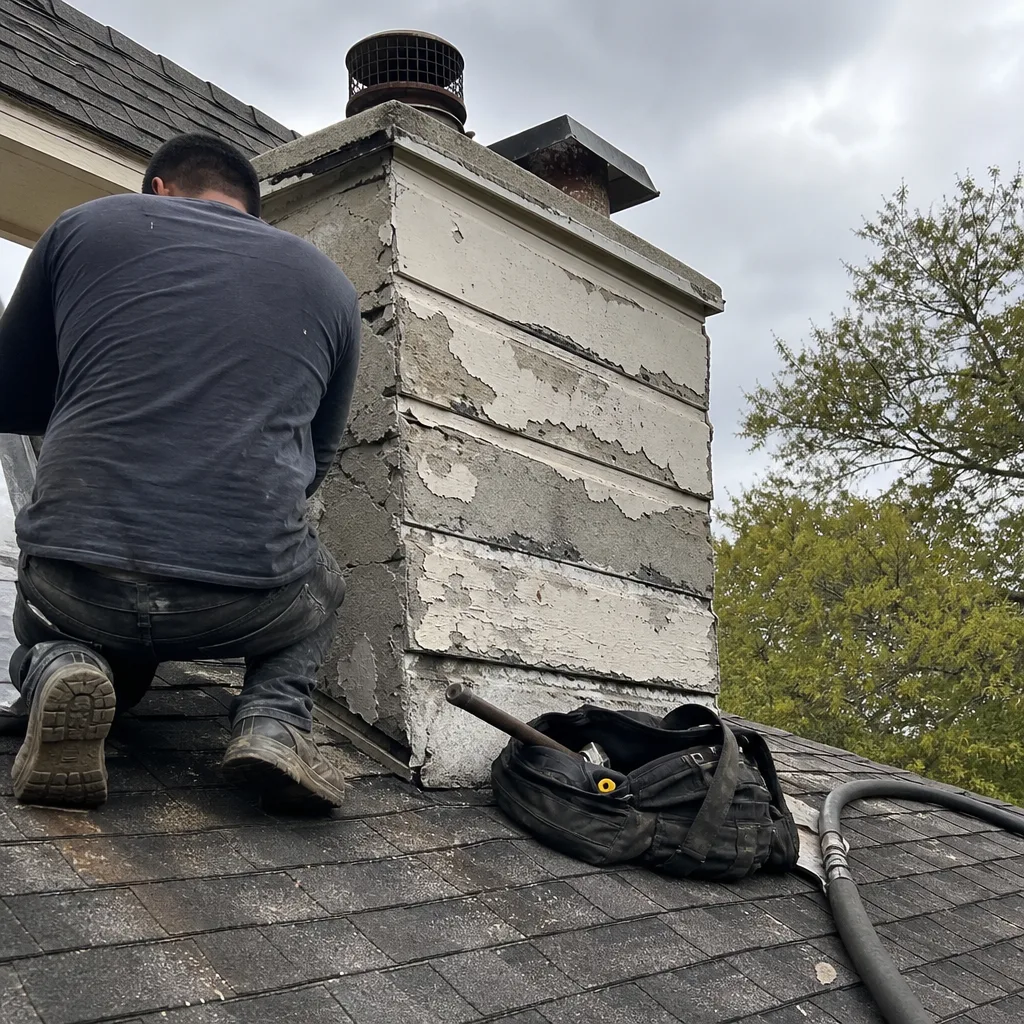 Before
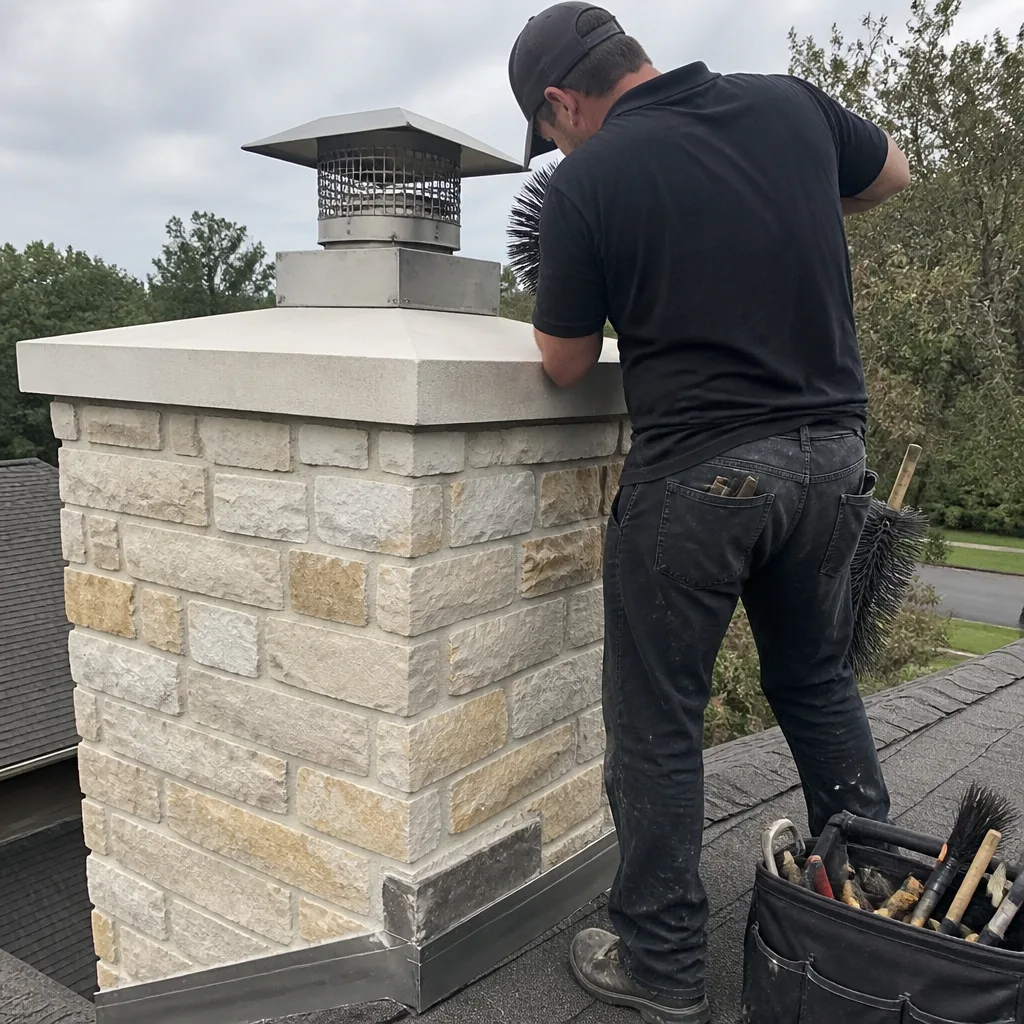 After
After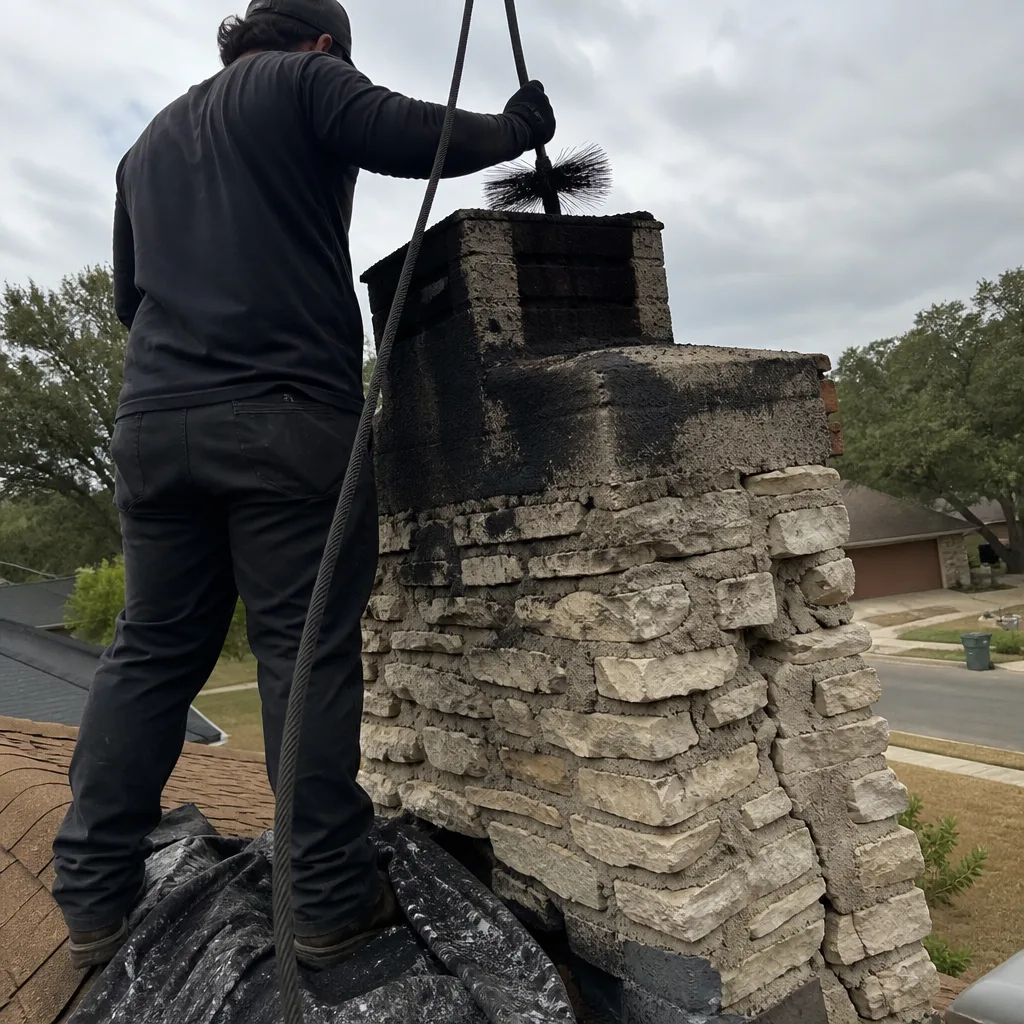 Before
 After
After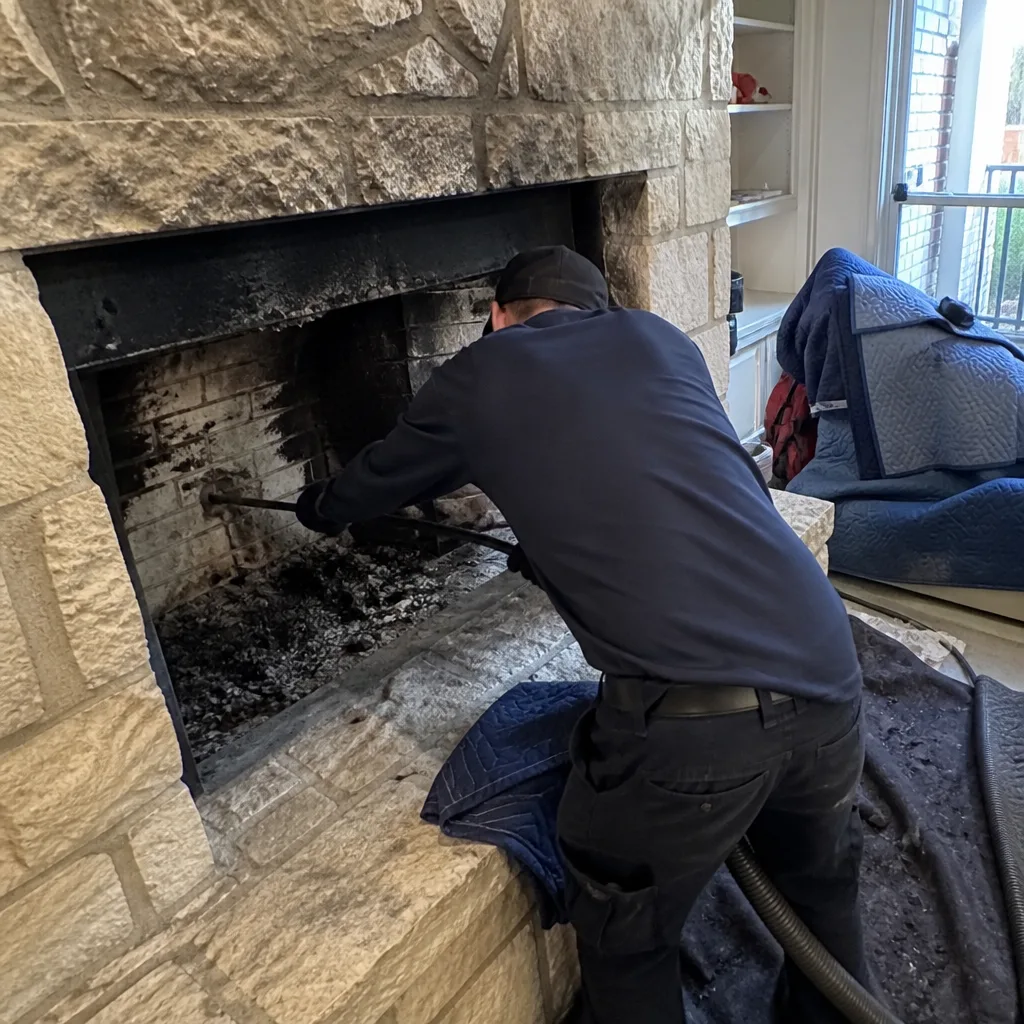 Before
 After
After