
Last updated October 15, 2026
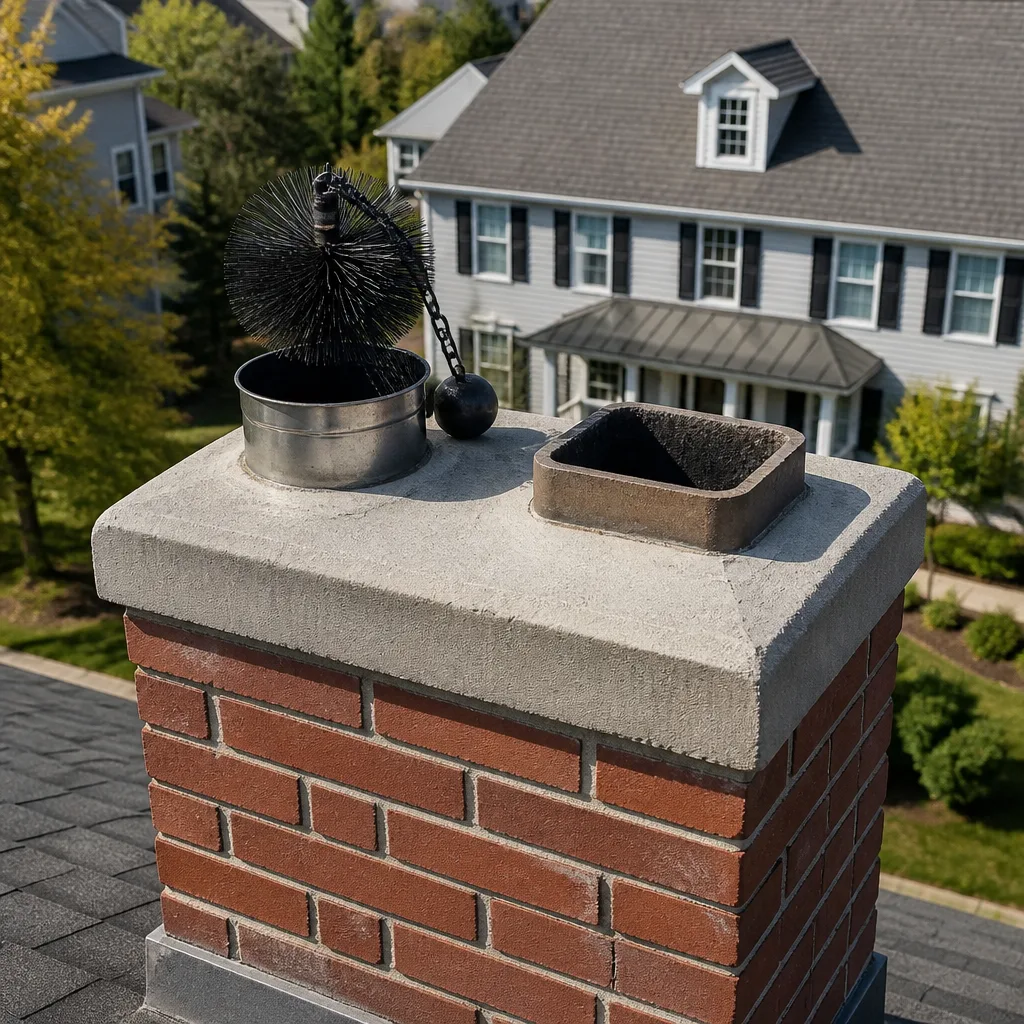 Sweep & inspection
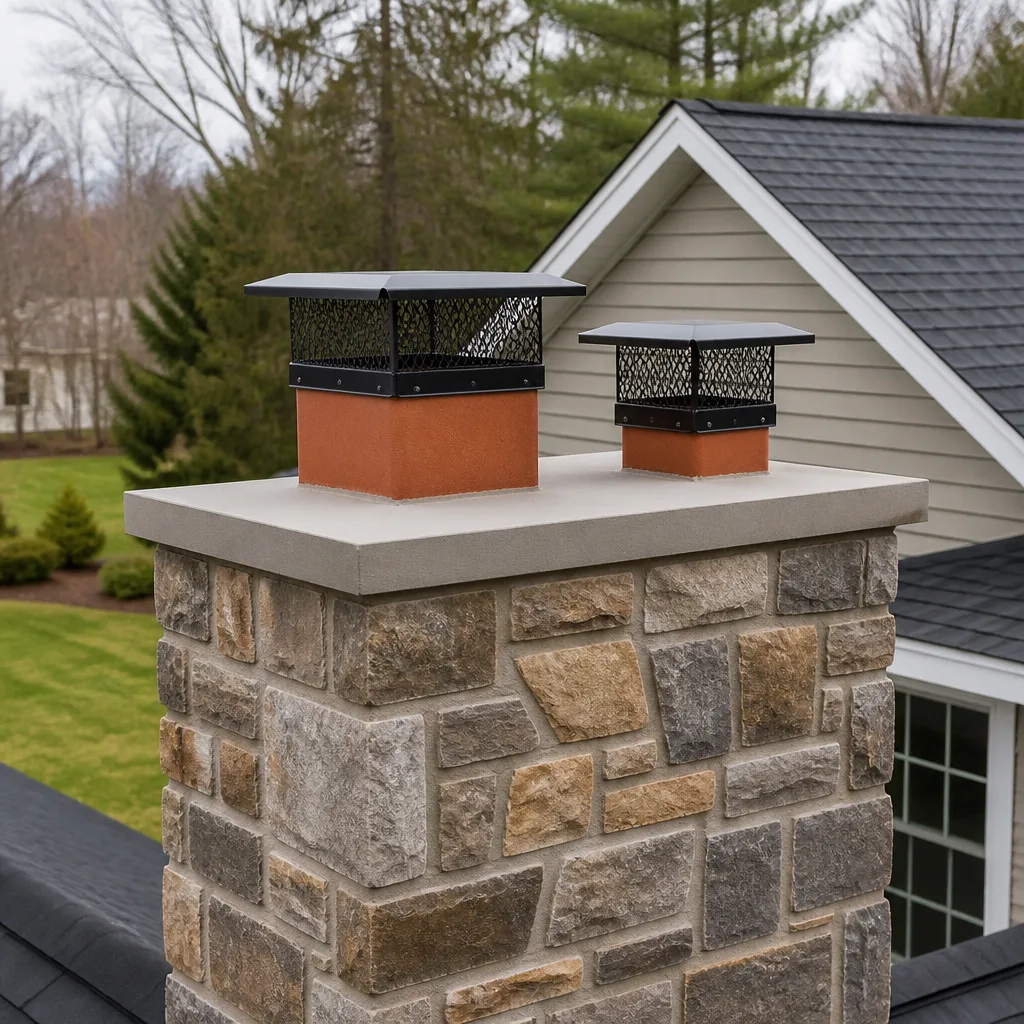 Caps & crowns
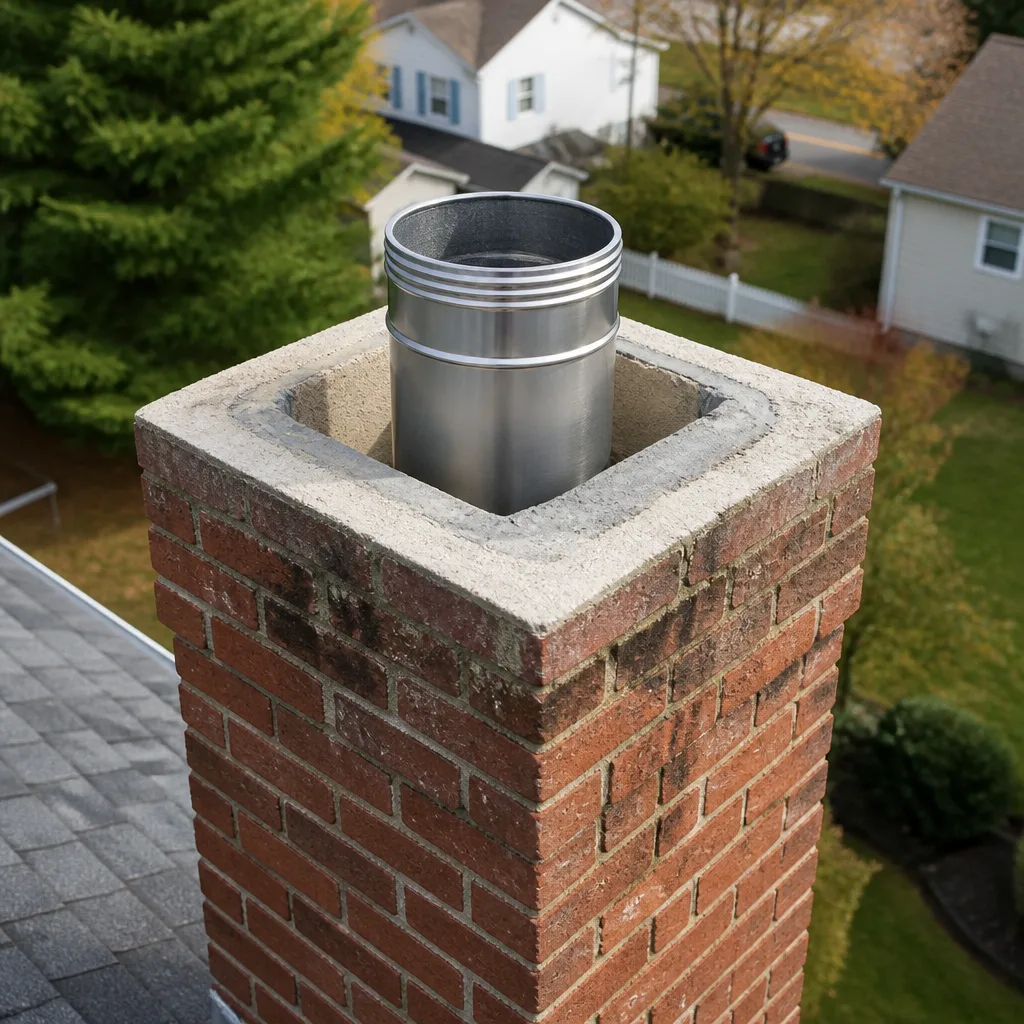 Flue relining
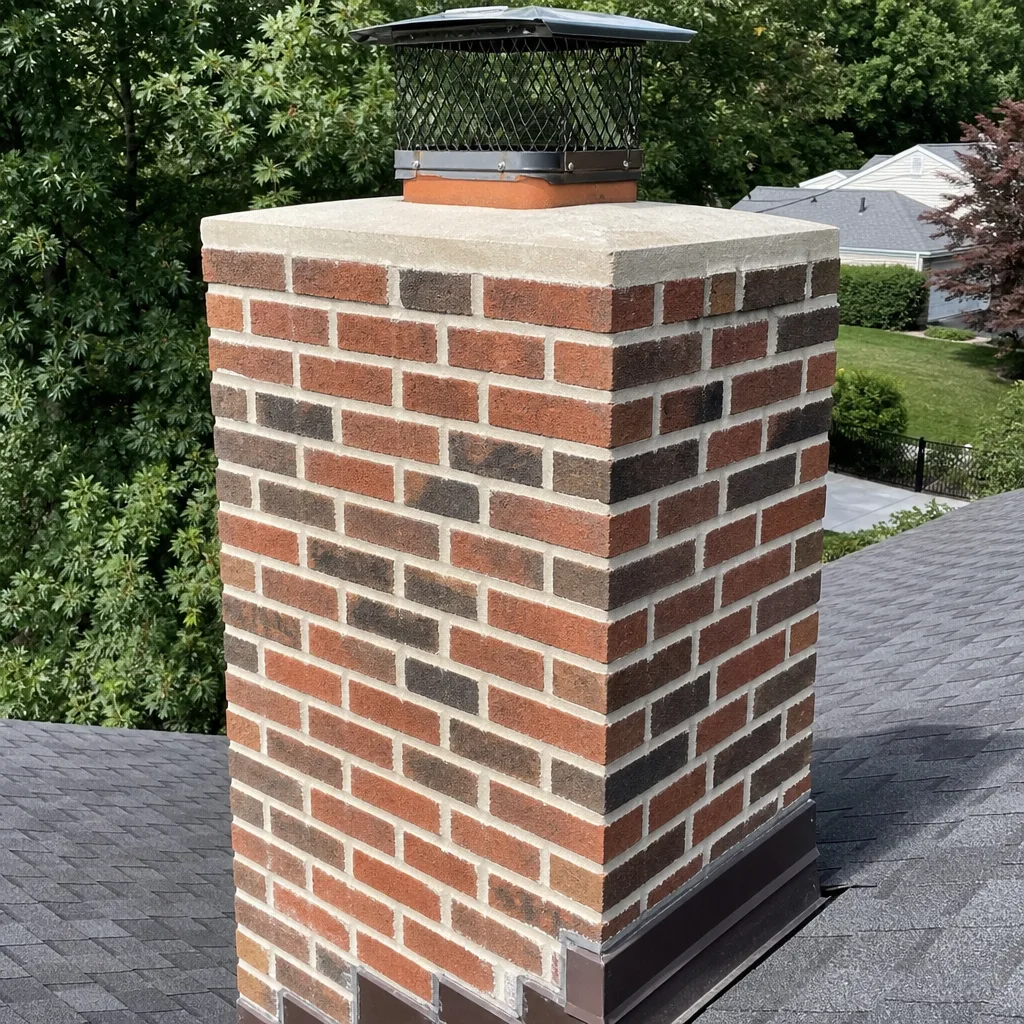 Masonry repair
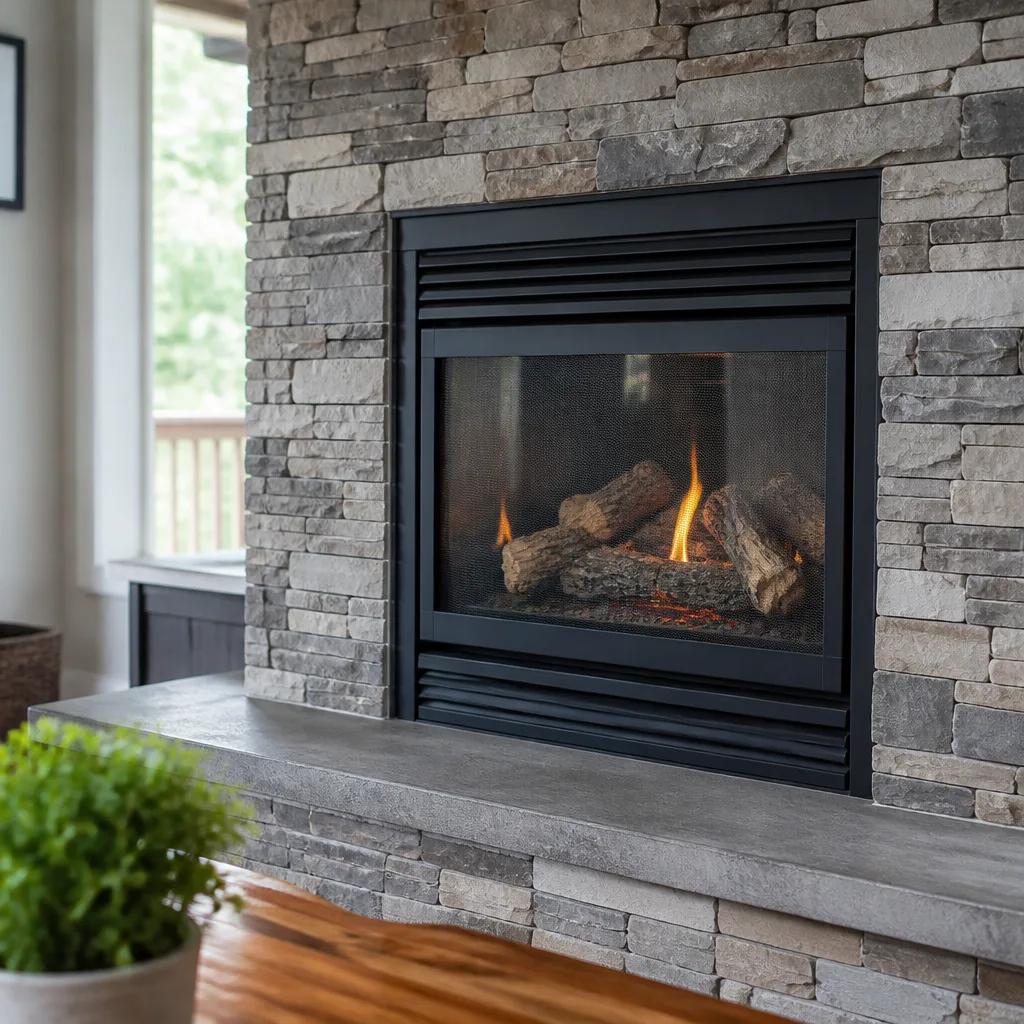 Gas fireplace service
Level 1 sweep and inspection to the NFPA 211 annual standard - flue, crown, cap, and flashing checked and photographed
Chimney sweep logs do not sweep chimneys. They loosen some creosote - which then falls where a brush and vacuum still have to collect it.
Chimney Cleaning Cost Breakdown: The Austin Homeowner’s Reference for 2026
The $79 chimney cleaning advertised across Austin is a real price, but it buys roughly 20 minutes of work with a single brush, no inspection, and no written report. Understanding what that price excludes matters more than the number itself. By the time you finish this guide, you’ll know exactly what a full professional cleaning should include in 2026, which add-ons are legitimate and which are upsells, and what a fair all-in price looks like for the most common Austin homes. For a complete maintenance checklist, see our dedicated guide. We’re going to show you the real numbers.
Styles & brands we work with
Quick Answer
A full chimney sweep in Austin in 2026 typically costs between $189 and $339, including a Level 1 inspection and written report. The $79 – $99 advertised specials cover only a basic brushing with no inspection, no camera work, and no documentation-warning signs that you’re not getting a real cleaning. Expect to pay $250 – $450 all-in when you add a Level 2 camera inspection, which most Austin homes need every few years.
Table of Contents
- What a Full Chimney Cleaning Actually Includes
- The Real Price Tiers in Austin for 2026
- What the Cheap End Skips, Step by Step
- How Chimney Type Changes the Cost
- The Three Most Common Post-Cleaning Add-Ons: Legitimate vs. Upsell
- How to Compare Quotes Accurately in Austin
- Austin-Specific Factors That Affect Your Price
- Common Mistakes to Avoid
- When to Call a Professional
- Frequently Asked Questions
- The Bottom Line
What a Full Chimney Cleaning Actually Includes
A proper chimney sweep is not one task. It’s a sequence of steps, each with a reason for existing. When you understand what each step does, you can read a quote and know immediately whether it’s a real cleaning or a brush-and-dash.
We break the work into four parts: the sweep itself, the inspection, the documentation, and the cleanup. Here’s what each one actually involves, in the order it happens.
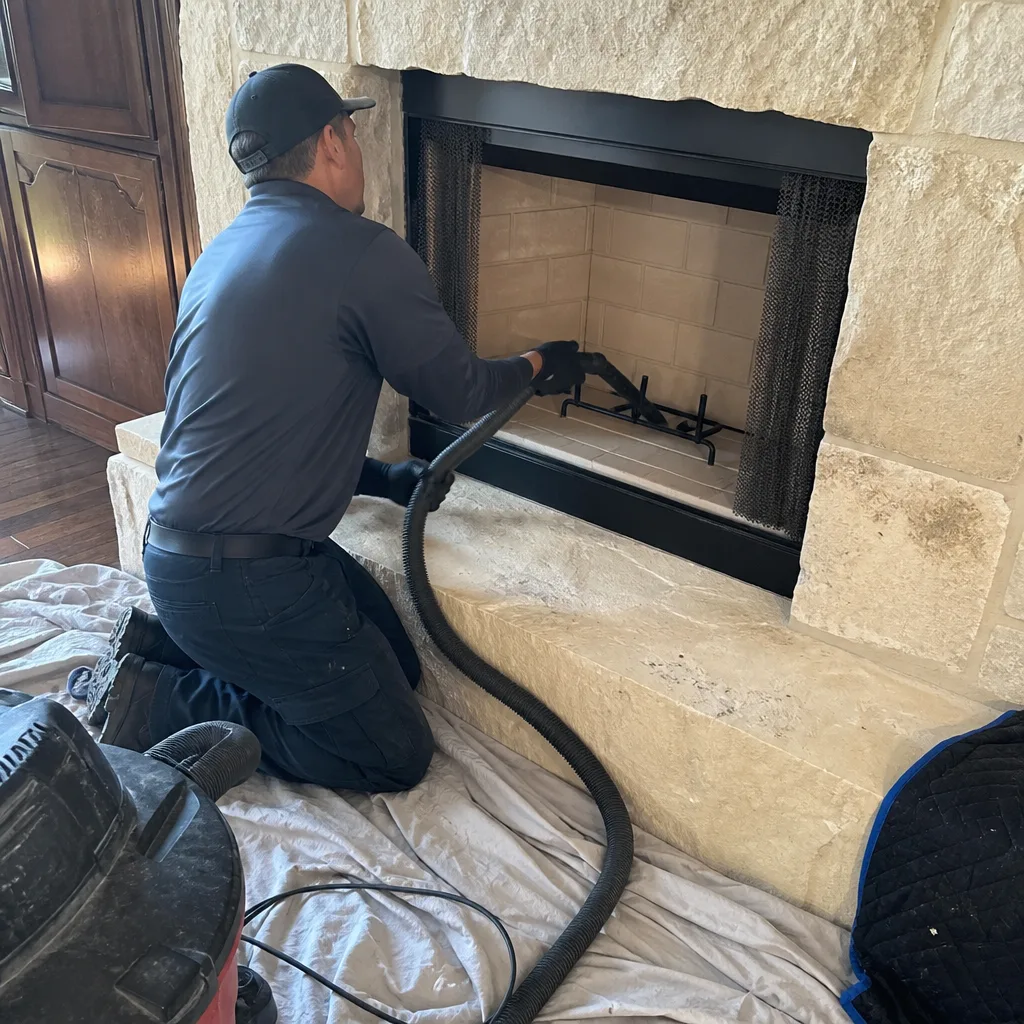
- Setup and floor protection. Drop cloths around the hearth, plastic sheeting over nearby furniture if needed, and a vacuum running before the first brush touches the flue. This takes 10-15 minutes and prevents a fine layer of soot from settling on everything in the room. Skipping it saves time and money, which is exactly why the cheapest Austin specials don’t do it properly.
- The mechanical sweep. A brush sized to the flue runs top-down or bottom-up, scrubbing creosote and soot from the flue walls. On a masonry chimney with clay tile liner, this is a wire or poly brush on rods. On a prefab metal chimney, it must be a poly brush; wire will scratch the metal. The sweep itself takes 20-40 minutes depending on flue height and the amount of buildup.
- The inspection. After the sweep, the flue is checked with a light and mirror at minimum. A Level 1 inspection is a visual check of the accessible portions of the chimney, firebox, and damper. A Level 2 inspection adds camera scanning of the flue interior, which is the only way to see hairline cracks in clay tile liners or corrosion in metal flues. More on that below.
- The written report. You get a document describing what was found, what was cleaned, and what needs attention. No report means no record, which means no accountability if something was missed. In Austin, a written report is standard for any reputable sweep.
- Cleanup and reassembly. The chimney cap goes back on, the damper is reset, the firebox is vacuumed, and the drop cloths come up. A proper job leaves the hearth cleaner than it started. This is what Nathan Corliss means when he says Ashby carries ash right in the name, fitting for the people whose job is to clean it out.
Every chimney cleaning should include all five of these steps. When a price seems too low, it’s because one or more of them has been shortened or cut entirely.
The Real Price Tiers in Austin for 2026
Not all $250 sweeps are equal, and not all $79 sweeps are scams. There are three distinct tiers operating in the Austin market right now, and they correspond to different scopes of work, not different levels of marketing sophistication.
Tier One: The $79 – $129 “Brush Special”
This is the price you’ll see on mailers, Facebook ads, and neighborhood coupon packs. What it buys: a technician shows up with a brush and a shop vac, runs the brush through the flue once or twice, vacuums the firebox, and leaves. Time on site: 20-40 minutes. What’s skipped: floor protection beyond maybe a single drop cloth, any real inspection, any written report, any camera work, and any education about what was found. The technician may not check the chimney cap, the crown, or the flashing.
Why it exists: this price gets a company through the door. The technician is expected to find something worth selling, whether that’s a new cap, a liner, or masonry work. Sometimes the finding is real. Sometimes it isn’t. The $79 sweep in Austin is a loss leader, and the entire business model depends on what happens after the brush goes back in the van.
Tier Two: The $189 – $279 Standard Professional Sweep
This is the price range where a full, proper cleaning lives. What it buys: complete floor protection, a correctly sized brush matched to flue type, a full sweep, a Level 1 inspection with light and mirror, a damper check, a chimney cap check from the roof, and a written report covering what was found and what should be watched. Time on site: 60-90 minutes. This is what most Austin homeowners need in a typical year.
At this tier, the technician is doing the job the way the trade expects it done, not the way a sales call requires it done. The report you receive should be plain-spoken: what was cleaned, what’s okay, what’s wearing, and what can wait.
Tier Three: The $300 – $450 Sweep with Level 2 Camera Inspection
This is the top end of what a chimney cleaning costs in Austin, and it includes everything from Tier Two plus a camera scan of the entire flue. The camera is fed through the flue from bottom to top, recording video of every inch. This is the only way to see hairline cracks in clay tile liners, gaps between tile sections, rust-through in metal flues, or hidden blockages like a bird’s nest around a bend.
When does this tier make sense? After a chimney fire, even a small one. Before buying a home with a fireplace. After a major weather event like a hailstorm or a freeze-thaw cycle that may have shifted masonry. Or if you haven’t had the flue camera-inspected in five years or more. Austin’s freeze-thaw cycles are mild compared to the northeast, but they exist, and they do crack clay tile over time.
| Service Component | Tier One ($79 – $129) | Tier Two ($189 – $279) | Tier Three ($300 – $450) |
|---|---|---|---|
| Floor protection | Minimal or none | Full drop cloths and sheeting | Full drop cloths and sheeting |
| Flue sweep | Single pass | Full sweep, correct brush type | Full sweep, correct brush type |
| Level 1 inspection | None | Yes, with mirror and light | Yes |
| Level 2 camera scan | None | No | Yes, full video |
| Cap and crown check | Sometimes skipped | Yes, from roof | Yes, from roof |
| Written report | None | Yes | Yes, with photos |
| Time on site | 20 – 40 min | 60 – 90 min | 90 – 120 min |
These ranges reflect what we see across Austin in 2026, from Round Rock to Buda, and they track with the cost of running a legitimate chimney business: background-checked technicians, professional-grade equipment, insurance, and the time it takes to do the job right. A company charging less than $150 is not doing the job described in this table.
What the Cheap End Skips, Step by Step
Here’s the part most chimney cost guides skip: exactly what happens in the 20-minute version versus the 90-minute version, and why each skipped step matters. This is the difference between a cheap cleaning and a real one, and it’s the information that lets you read any Austin quote with confidence.
1. The damper check is skipped
A working damper closes off the flue when the fireplace isn’t in use. If it’s rusted, warped, or stuck open, your conditioned air is escaping up the chimney every hour the AC runs, which in Austin is roughly nine months of the year. A $79 cleaning rarely includes opening the damper, checking the seal, and lubricating the hinges. The 90-minute version does.
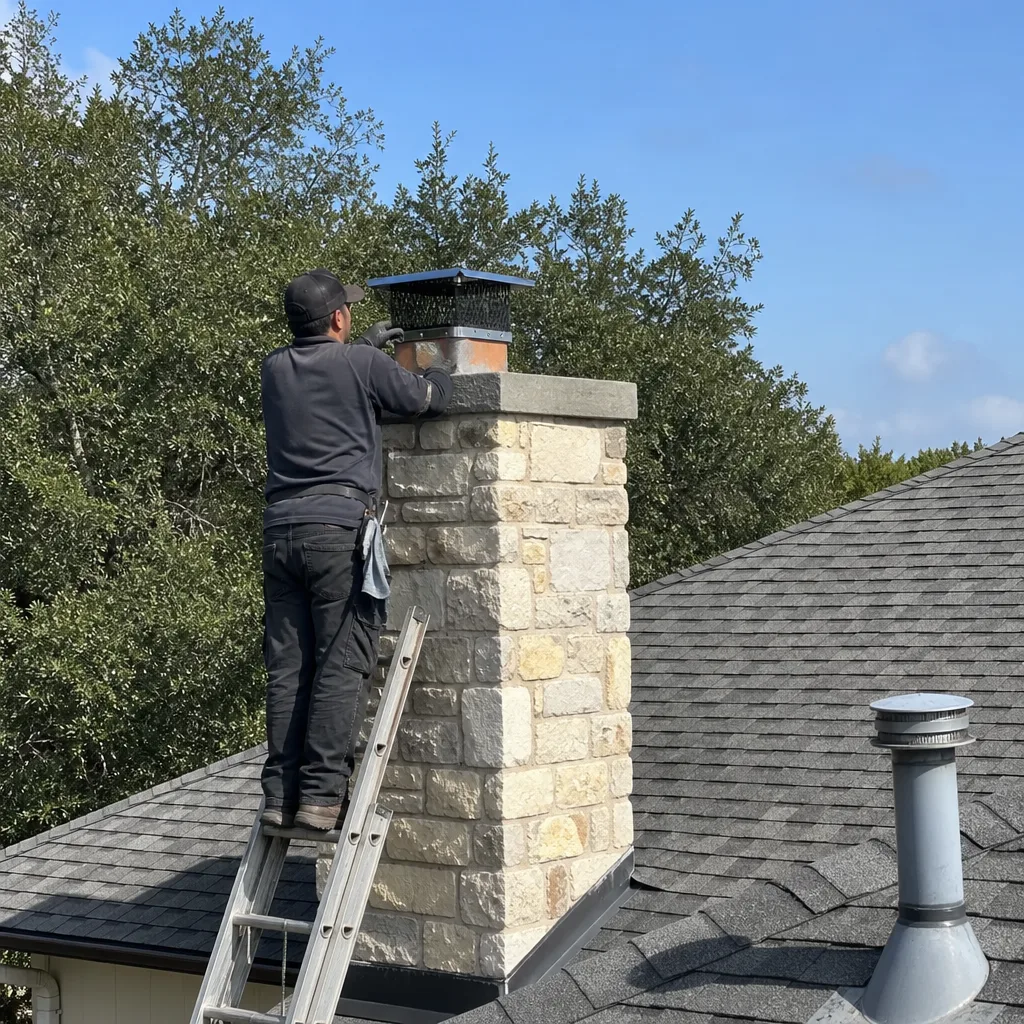
2. The chimney cap is never checked
Most chimney caps in Austin are reached from the roof, and low-cost sweep technicians often never climb up there. That means a cracked cap, missing spark arrestor screen, or rusted-out top mount goes unnoticed. The cap is what keeps rain, squirrels, raccoons, and embers out. A missing or damaged cap is a slow-moving problem that turns into a $400 – $800 liner replacement if water gets into the flue and freezes, thaws, and cracks the tile.
3. The smoke shelf is ignored
The smoke shelf is the flat area just above the damper where smoke swirls and deposits creosote on its way up. It’s awkward to reach, which is why it’s skipped at the low end. Creosote on the smoke shelf doesn’t immediately block airflow, but it’s fuel, and it builds up slowly until one hot fire ignites it. A proper sweep includes clearing and vacuuming the smoke shelf every single time.
4. No written report means no accountability
If there’s no document describing what was found, there’s no way to prove the technician actually looked at anything. A written report is the difference between a service and a visit. It’s also how you track a chimney’s condition over time. When a company gives you a report, they’re making a record they can be held to. When they don’t, the visit evaporates as soon as the truck pulls away.
How Chimney Type Changes the Cost
Not every Austin chimney costs the same to clean. The structure of your chimney, the height of your roof, and the kind of appliance attached to the flue all move the price. Here’s what each variable does.
Masonry vs. Prefab Metal
A masonry chimney is built from brick or stone with a clay tile liner running up the middle. These are found on older Austin homes, especially in central neighborhoods like Hyde Park, Brentwood, and Tarrytown. They take longer to sweep because clay tile has more surface texture for creosote to grip, and the sweep must check each tile joint for cracks. Expect masonry chimneys to run at the upper end of any tier.
A prefab metal chimney, common in houses built after 1990 in places like Cedar Park, Leander, and Pflugerville, is a factory-built system of metal pipe with a stainless steel liner. These sweep faster because metal is smoother and creosote doesn’t grip as aggressively. They must be swept with poly brushes to avoid scratching the metal, which is a small but real cost difference. Prefab chimneys typically cost $20 – $40 less to clean than masonry.
Single-Story vs. Two-Story
Roof access matters. On a single-story home, the technician can often reach the chimney from an extension ladder in under ten minutes. On a two-story Austin home, especially one with a steep roof pitch, roof access takes longer and requires more setup, more safety equipment, and sometimes a second person. Expect a two-story cleaning to add $30 – $60 over single-story pricing. This isn’t a surcharge; it’s the honest cost of doing the job safely on a taller structure.
Open Fireplace vs. Wood Stove Insert
An open fireplace is the easiest setup to clean: the firebox is open, the damper is accessible, and the flue runs straight up. A wood stove or fireplace insert changes things. The stove or insert must be disconnected from the flue, which takes more time and care, and the flue itself is often narrower, requiring specialized brushes. Insert cleanings typically run $30 – $50 more than open fireplace cleanings of the same home size.
None of these variables should be a mystery. A good Austin chimney company will ask about your home’s construction and chimney type when you book the appointment, and the written quote will reflect what the technician finds when they arrive. If two quotes for the same home differ by $100, one of them may be assuming a single-story masonry chimney while the other is pricing a two-story prefab one. The fix is to ask.
The Three Most Common Post-Cleaning Add-Ons: Legitimate vs. Upsell
After a cleaning, most Austin homeowners hear about at least one additional service. Here are the three that come up most often, what they cost, and how to tell whether the recommendation is real or padded.
1. Chimney Cap Replacement: $150 – $400. Usually Legitimate.
If the technician climbed onto the roof and the cap is rusted through, cracked, or missing entirely, that’s a real problem and the fix is straightforward. A replacement cap from a brand like Gelco or Olympia Chimney runs $60 – $150 for the part, and installation adds $90 – $250 depending on roof access. In Austin, caps fail faster than in drier climates because we get everything: intense UV, hail, heavy rain, and the occasional freeze. If the recommendation comes with photos of the damaged cap, it’s legitimate. If the technician never went on the roof and still says you need a cap, ask for proof.
2. Flue Liner Repair or Replacement: $1,200 – $5,000. Sometimes Real, Sometimes Not.
This is the one where Austin homeowners get burned. A cracked clay tile liner is a real problem: it can allow heat to reach combustible materials and carbon monoxide to seep into living spaces. But “cracks” are also the most common excuse for an upsell because the only way to actually see them is with a camera. If a technician tells you the liner needs work after a basic sweep, insist on seeing the camera footage. No footage, no credibility. A legitimate liner recommendation comes with video showing the crack, and a written quote explaining the repair options. Materials from established chimney-trade brands like DuraFlex and HeatShield are standard for these repairs. If the company can’t tell you what brand they’ll use, walk away.
3. Waterproofing or Crown Repair: $300 – $900. Climate-Dependent and Often Legitimate.
Austin’s freeze-thaw cycles, while mild, are enough to crack a poorly constructed chimney crown over 10-15 years. When the crown cracks, water gets into the masonry, and the damage compounds. Waterproofing with a vapor-permeable sealant is a real preventative measure, especially on older central Austin homes. The fix is legitimate if it comes with photos of the cracked crown or evidence of efflorescence (white mineral staining) on the brick. It’s an upsell if it’s recommended without, you know, looking at the crown.
The pattern: a legitimate recommendation comes with visual evidence and a specific explanation of what was found. A sales pitch comes with urgency and vagueness. No scarcity, no “this price is only good today.” A company that stands behind its work doesn’t need to pressure you into a decision on the spot.
How to Compare Quotes Accurately in Austin
Most homeowners call three companies, get three numbers, and pick the middle one. That’s a fine instinct, but it only works if the three numbers describe the same scope of work. Here’s how to make sure they do.
- Ask for a written quote before any work starts. This is non-negotiable. If a company won’t put the price in writing before the job begins, that’s the end of the conversation. Every Ashby Chimney Austin visit includes a written price before any work starts, always, no exceptions. The number on the invoice matches the number we quoted at the door.
- Ask what the sweep includes, step by step. Listen for the words: floor protection, damper check, smoke shelf, cap check, written report. If they can’t describe what the sweep covers, they’re not planning to do a full one.
- Ask whether the inspection is Level 1 or Level 2. Level 1 is visual. Level 2 includes the camera. If you’re comparing a $99 quote against a $249 quote and one includes a Level 2 camera scan, you’re comparing different services.
- Ask about roof access. Will the technician inspect the cap and crown from the roof? If the answer is no, the quote is lower for a reason.
- Ask what brand of materials they use for repairs. A company that uses DuraFlex, HeatShield, Gelco, Olympia Chimney, or Famco is buying from established chimney-trade suppliers. A company that can’t name its material brands is buying whatever is cheapest and charging you a markup anyway.
- Ask what the guarantee covers and for how long. Every repair Ashby completes comes with a written guarantee. If the repair fails within the guarantee period, we return and fix it at no charge. This is the 365-Day Done Right Promise, and it applies to every repair we make. If a company guarantees nothing, the price should be lower, and usually it isn’t.
Comparing quotes this way takes five extra minutes per call and it’s the difference between hiring a sweep and hiring a salesperson with a brush.
Austin-Specific Factors That Affect Your Price
Chimney cleaning costs don’t exist in a vacuum. Here’s what’s specific to the Austin market in 2026 and how it moves your number.
First, labor costs. Austin’s trades are in high demand and wages reflect that. A chimney technician here earns more than one in Waco or Temple, which shows up in the price. This isn’t price gouging; it’s the cost of hiring people who make a living doing this work.
Second, climate. Austin’s summers are long and brutal, and the freeze-thaw cycles from December through February are mild but real. What this means for your chimney: water intrusion matters. When rain gets into masonry and freezes, the ice expands and cracks whatever it’s inside. Central Austin homes built in the 1940s through 1960s, the ones in Crestview and Allandale and Barton Hills, are particularly susceptible because their masonry has already been through 60-plus Austin winters. If you own one of these homes, a camera inspection is not optional at this point; it’s overdue.
Third, the wildcard factor. Austin has raccoons, squirrels, chimney swifts, and the occasional opossum. Each of these animals finds a chimney convenient, and each one leaves something behind. A chimney cap with a damaged spark arrestor screen is an invitation. If your cap hasn’t been checked in years, part of your cleaning cost is peace of mind that nothing has moved in.
Fourth, the inspection schedule. The National Fire Protection Association recommends a chimney inspection at least once a year, and the Chimney Inspection in Austin page on our site walks through the differences between Level 1 and Level 2 in plain language. Most Austin homeowners do a Level 1 every year and a Level 2 every three to five. That cadence keeps the total cost of ownership reasonable while catching problems before they become five-figure repairs.
Common Mistakes to Avoid
- Choosing the cheapest sweep and calling it good. The $79 price in Austin buys a brush pass, not a cleaning. You’ll save $100 today and spend $1,500 on a liner repair in two years. The math works the same every time.
- Waiting until fall to book. Every Austin chimney company’s calendar fills up starting in September. If you call in October, you’ll wait three weeks and pay peak-season pricing. Book in July or August, get a better slot, and burn your first fire with a clean flue.
- Skipping the written report. A report is a baseline. It tells you what your chimney looked like this year and what changed next year. Without it, every visit starts from zero, and the person who benefits from that is the one selling you something.
- Taking a liner recommendation at face value. If someone says you need a new liner after a basic sweep, ask for the camera footage. This one question separates the legitimate companies from the ones that thrive on fear. No footage, no sale. It’s that simple.
- Assuming a fireplace that’s never used doesn’t need cleaning. Austin homes with decorative fireplaces often go years without use, and the owners assume the chimney is fine. But moisture, animals, and time don’t care whether you burn wood. An unused chimney can still have water damage, a blocked flue, or a wasp nest. The inspection is worth it even if the sweeping isn’t.
- Not asking about the guarantee. If a company won’t put its repair guarantee in writing, the warranty is whatever the technician says it is, and that changes the moment the truck leaves the driveway. Every repair we make comes with a written guarantee and a free second visit if it fails inside the guarantee period. If another company won’t match that, ask yourself why.
When to Call a Professional
You can clean your own gutters and change your own air filters. A chimney is different, and here’s where the line is. If you’ve had a chimney fire, even a small one that went out on its own, call a professional before the next fire. If you smell smoke in the house after a recent burn, or if you see white staining on the brick outside, or if you hear animals in the flue, call. If you’ve lived in the home for more than two years and have never had the flue inspected, call before the next burning season.
Working on a roof is dangerous. Working inside a chimney flue that may have creosote buildup is dangerous in a different way: creosote is combustible, and a proper cleaning requires equipment and training most homeowners simply don’t have. Austin’s best chimney companies, including the team that handles our Chimney Sweep in Austin work, spend years learning this trade. Some things aren’t DIY, and this is one of them.
Ashby Chimney Austin offers free estimates in Austin. Call (254) 274-4486 and we’ll give you a written price before any work starts.
Frequently Asked Questions
A full professional chimney sweep in Austin costs between $189 and $339 in 2026, including the cleaning, Level 1 inspection, and written report. Budget end: $189 for a single-story prefab chimney with light buildup. High end: $339 for a two-story masonry chimney with heavy creosote. The advertised $79 – $99 specials cover only a brush pass with no inspection and no report. Call (254) 274-4486 for an exact quote, and the number we give you is the number you’ll pay. You can also browse more guides & resources on chimney care and home maintenance.
Only if a camera inspection shows cracks, gaps, or rust-through in the existing liner. A cracked clay tile liner is a real safety problem: it can allow heat to reach combustible framing and carbon monoxide to enter the living space. But the only way to confirm a crack is with camera footage. If a technician recommends a liner replacement after a basic sweep and can’t show you the video, get a second opinion from a company that does Level 2 inspections. We use DuraFlex, HeatShield, and other established chimney-trade brands for liner work, and we show you the footage before we quote anything.
If you burn wood regularly, once a year. If you burn occasionally (a fire every few weeks during winter), every one to two years. If you never burn and the fireplace is decorative, you still need a Level 1 inspection every couple of years, but the sweeping itself can wait. The rule of thumb from the National Fire Protection Association is simple: inspect at least annually, sweep when creosote buildup reaches 1/8 inch. Most Austin homeowners fit into the once-a-year cadence, and the best time to book is summer, when the schedule is open.
Creosote builds up on the flue walls. It’s combustible at high temperatures, which means a hot fire can ignite it and become a chimney fire. Chimney fires often burn quietly inside the flue and can crack the liner without you ever knowing it happened. That cracked liner becomes a path for heat to reach wood framing, and for carbon monoxide to leak into the house. The other path: moisture gets in through a damaged cap or cracked crown, freezes, expands, and breaks down the masonry. Small problems compound. A $250 sweep now prevents a $4,000 liner replacement later. It’s the cheapest insurance a fireplace owner can buy.
A Level 1 visual inspection should be included in every professional sweep, and it’s part of what separates the $189 – $339 tier from the $79 – $99 tier. Level 1 covers the accessible parts of the chimney: the firebox, damper, flue interior as far as can be seen, cap, and crown. A Level 2 camera inspection is usually an add-on, and it’s the right choice if you’ve had a chimney fire, are buying a new home, or haven’t had the flue camera-inspected in five years. When you book with a company, ask which level of inspection the price includes. If they can’t answer, that’s your answer.
Sometimes. Small repairs like a chimney cap replacement can often be completed the same day if we have the right part on the truck. Liner repairs and masonry work typically take longer because the work is more involved and the materials need to cure properly. What we can do the same day is give you a written quote for the repair, based on what the camera inspection showed. Fireplace Repair in Austin doesn’t have to be a mystery: the quote is specific, the materials are named, and the guarantee is in writing. Call (254) 274-4486 and we’ll walk through what the camera found, line by line.
The Bottom Line
A fair chimney cleaning price in Austin in 2026 is $189 to $339 for a full sweep with inspection and report. The cheap mailers are real, but they’re not cleanings, they’re sales calls. The most important number isn’t the price itself, it’s what the price includes: written quote, complete sweep, Level 1 inspection, and a written report. If all four are present, any price in that range is fair. If any one is missing, the price is lower for a reason, and that reason always lands on you eventually.
We’ve been cleaning Austin chimneys since 2002, and the message hasn’t changed: say the price first, explain what you’re doing and why, and put the promise in writing. If you’d like a free estimate, call (254) 274-4486. A live person answers, day or night. Or start with our Ashby Chimney Austin home page and see how we work.
Written by Nathan Corliss, Owner at Ashby Chimney Austin, serving Austin since 2002.
See the difference
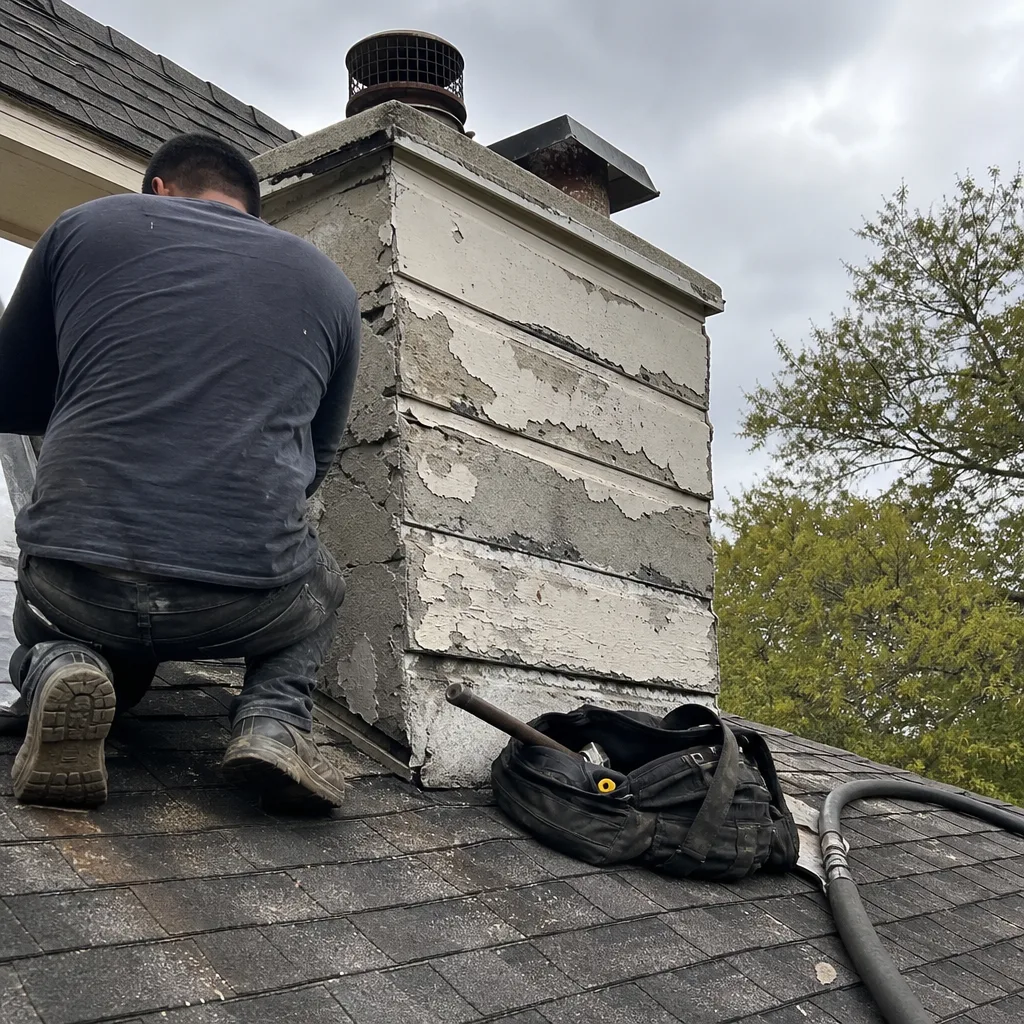 Before
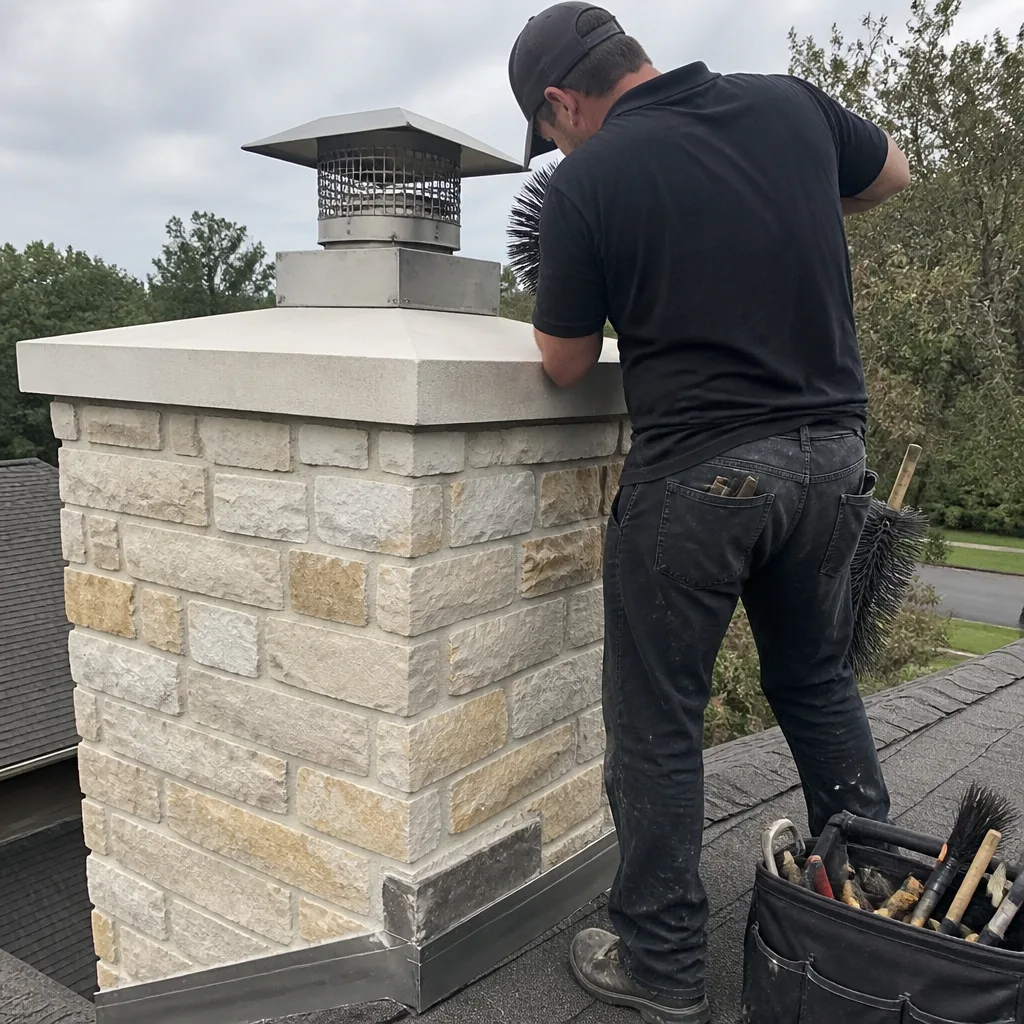 After
After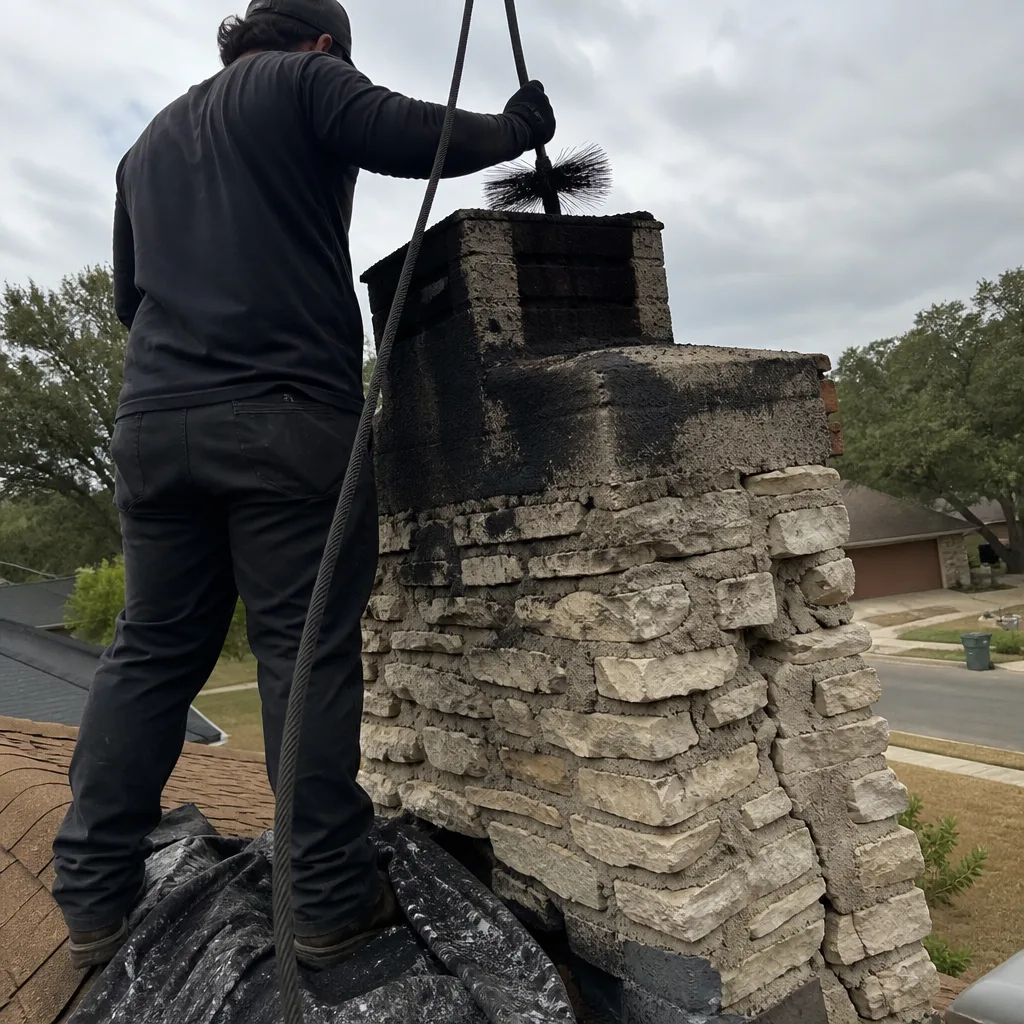 Before
 After
After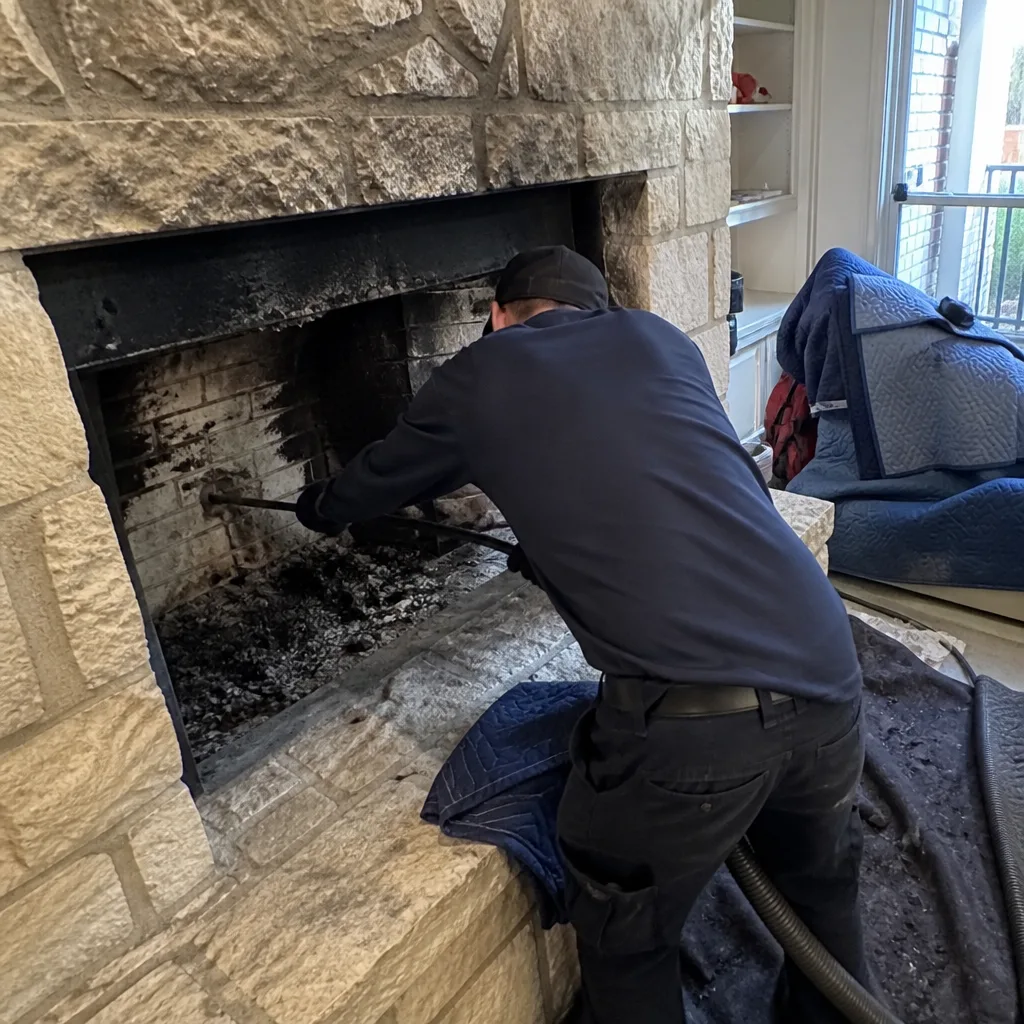 Before
 After
After