
Last updated October 15, 2026
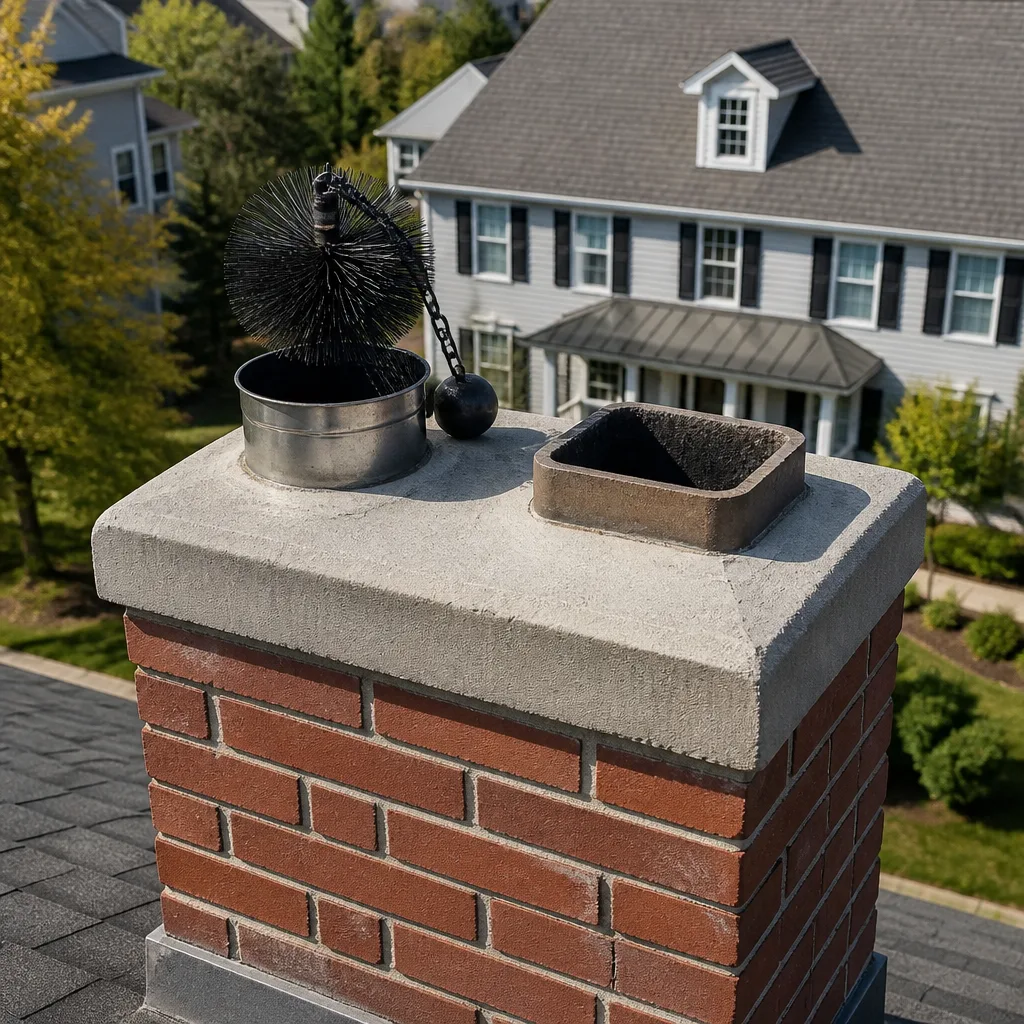 Sweep & inspection
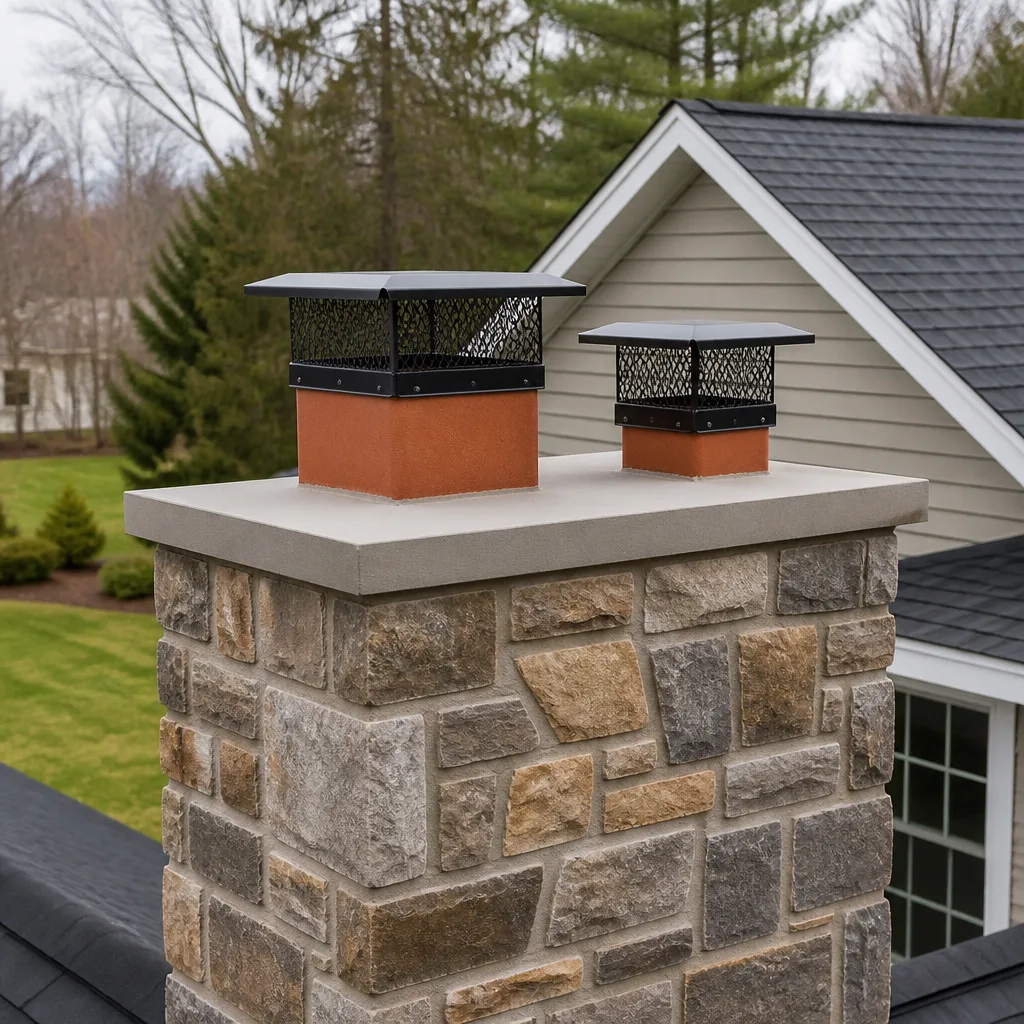 Caps & crowns
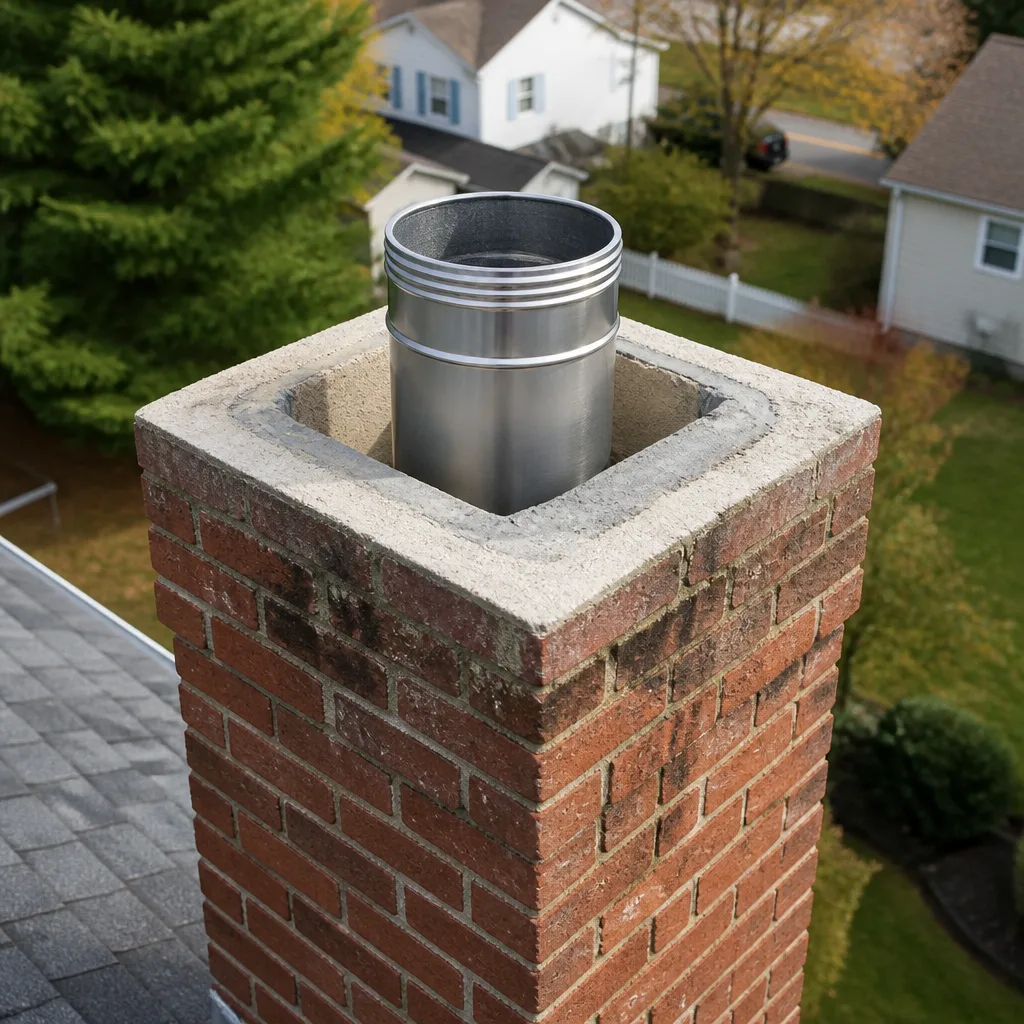 Flue relining
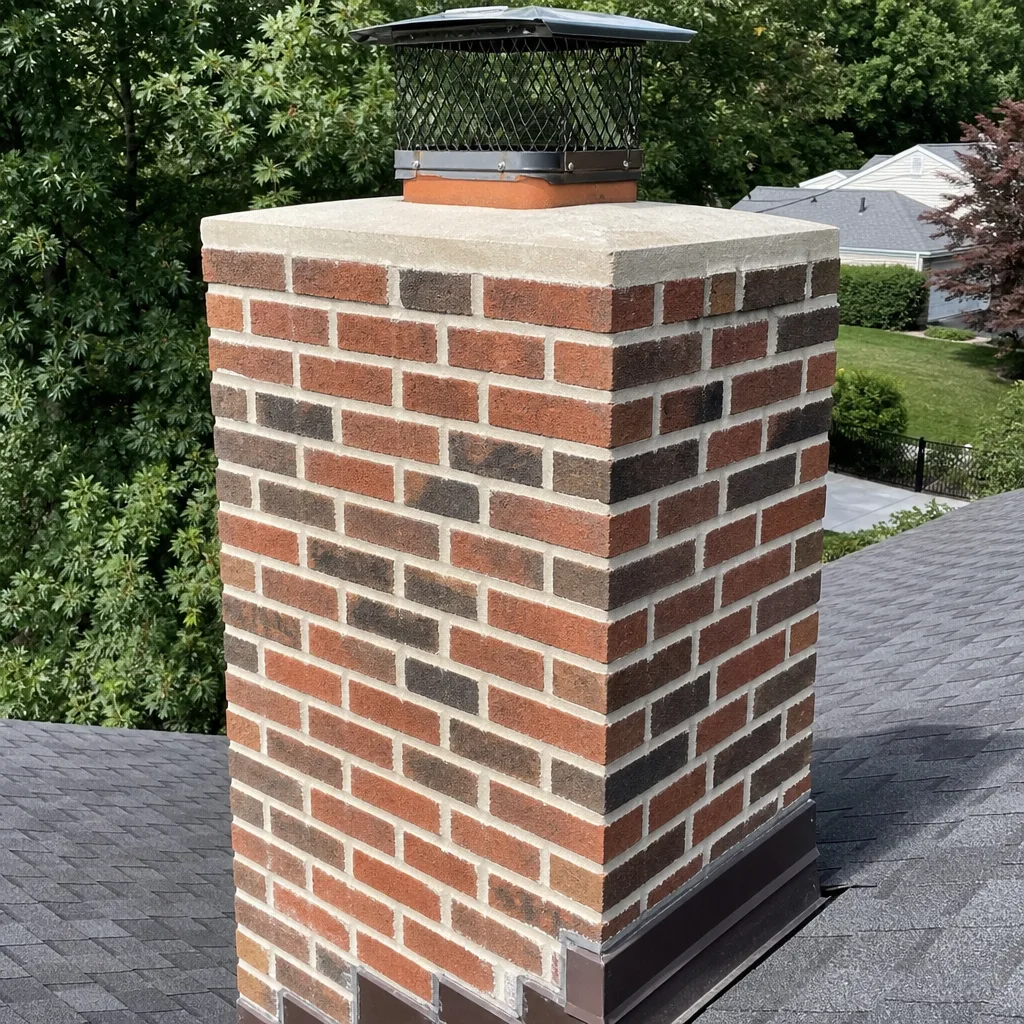 Masonry repair
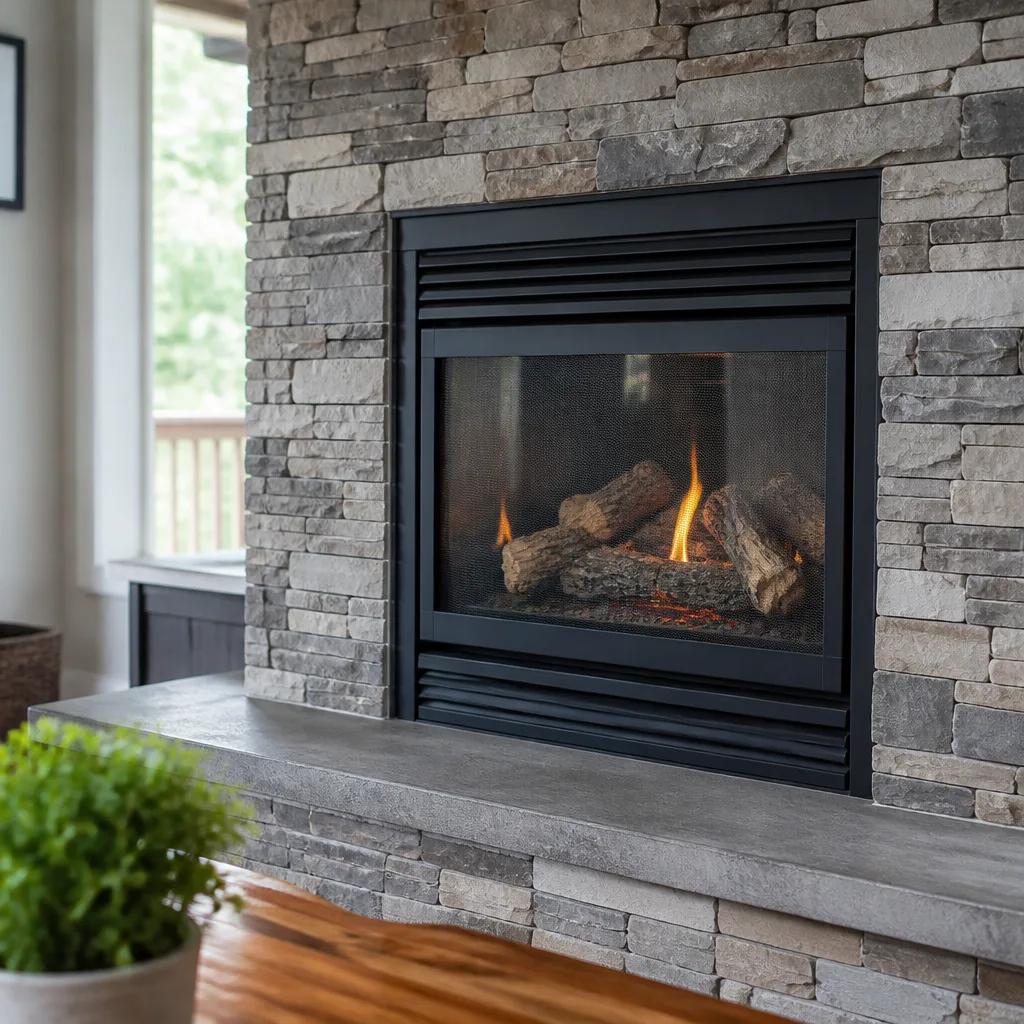 Gas fireplace service
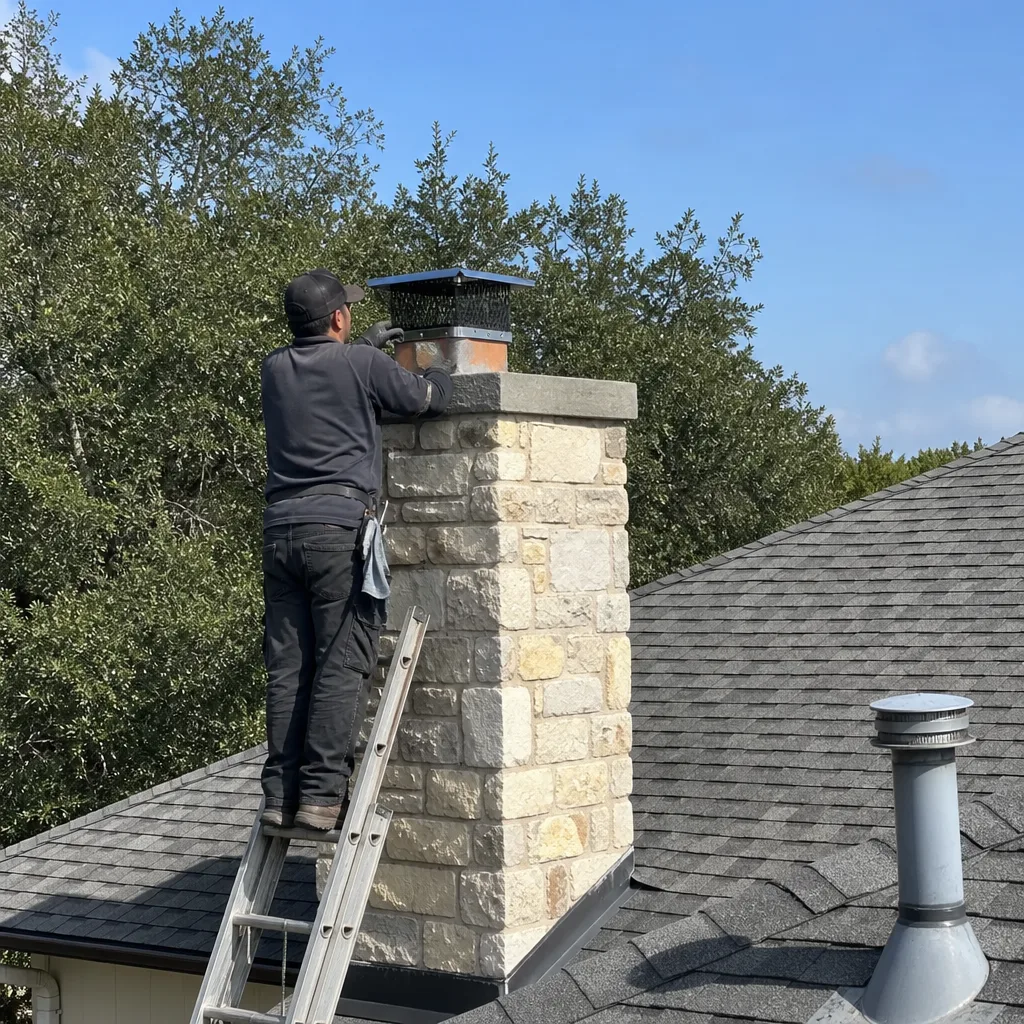
Level 1 sweep and inspection to the NFPA 211 annual standard - flue, crown, cap, and flashing checked and photographed
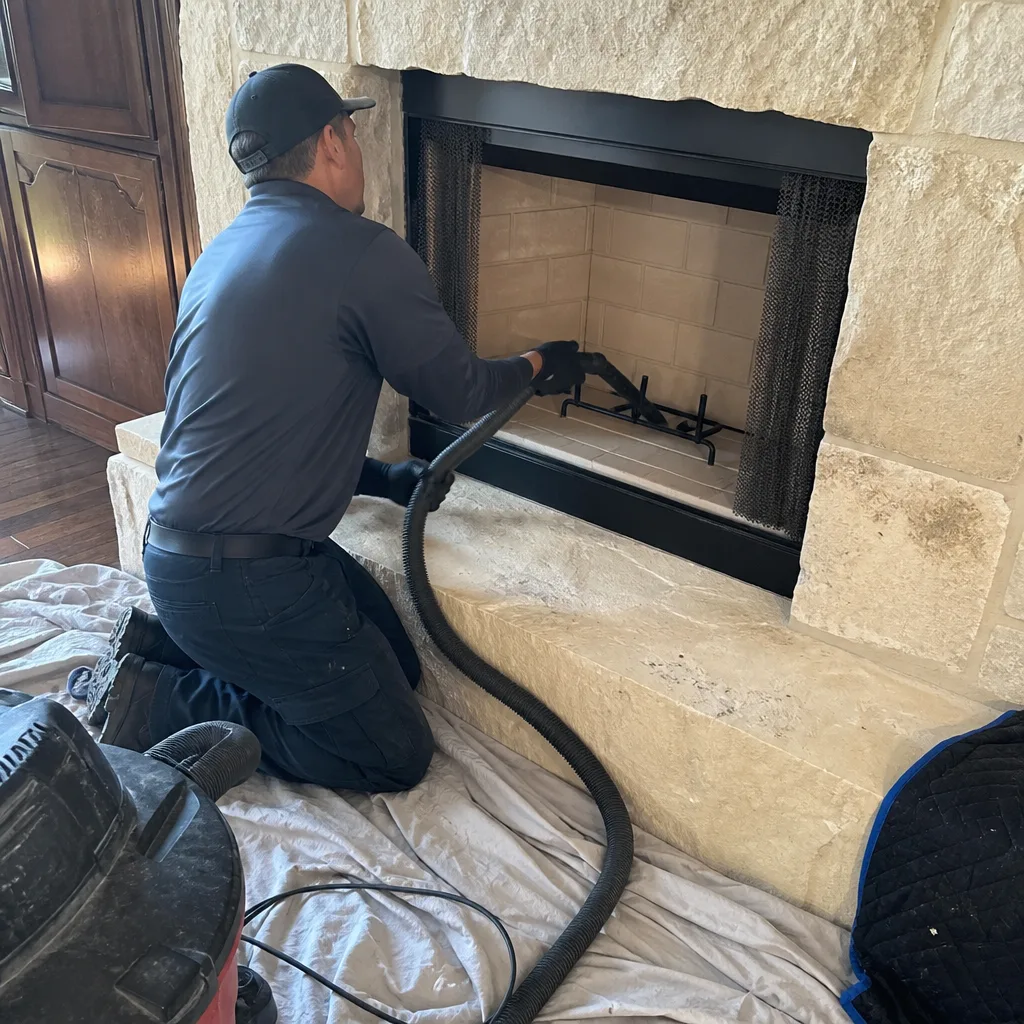
Chimney sweep logs do not sweep chimneys. They loosen some creosote - which then falls where a brush and vacuum still have to collect it.
Chimney Cleaning Warning Signs: A Austin Homeowner’s Reference Guide
Here’s a number most Austin homeowners don’t know: chimney fires account for over 25,000 residential fires in the United States every year, and the majority of them start with a warning sign the homeowner saw but talked themselves out of. The “slightly smoky smell” that seemed normal. The black flakes in the firebox that looked like old ash. The damper that needed a little extra push. This guide names those signs in plain language, explains what each one actually means inside your flue, and shows you what to check from your own backyard in Austin. For a deeper dive, see The Complete Guide to Chimney Cleaning in Austin. By the time you finish reading, you’ll know which warnings are maintenance-level, which are structural, and the one that means shut it down today.
Styles & brands we work with
Quick Answer
The most common chimney warning signs Austin homeowners dismiss are a persistent campfire smell when the fireplace isn’t lit, black flaky creosote buildup visible inside the firebox, white staining (efflorescence) on the exterior chimney, water in the firebox after heavy rain, and a damper that sticks, rattles, or won’t stay open. The single sign that means stop using the fireplace immediately and call a sweep before the next fire is a visible soot or smoke stain above the fireplace opening combined with that campfire smell getting stronger in humid weather. That combination indicates a partial flue blockage, and that’s the setup for carbon monoxide backing into the living space.
Table of Contents
- The “Campfire Smell” That Never Goes Away: What It Actually Means
- Black Flakes in the Firebox: Creosote vs. Ash (and Why It Matters in Austin)
- A Damper That Sticks or Rattles: It’s Not Just a Worn Part
- White Staining on the Exterior Chimney: Efflorescence and Austin’s Climate
- Water in the Firebox After Rain: Three Ways It Gets In
- Smoke Stains Above the Fireplace Opening: The Sign That Changes Everything
- The 5-Minute Exterior Check From Your Backyard
- Common Mistakes to Avoid
- When to Call a Professional
- Frequently Asked Questions
- The Bottom Line
The “Campfire Smell” That Never Goes Away: What It Actually Means
A fireplace that smells like last week’s fire on a humid Austin morning is not normal. Mild smoke odor for a few hours after a fire? That happens. But a persistent campfire smell that gets stronger when the air gets heavy, when the AC kicks on, or when the wind blows from a certain direction is your flue talking to you. And what it’s saying depends on how the odor behaves.
The first possibility is a draft reversal. A cold flue can pull outside air down into the house, carrying the smell of accumulated soot with it. This is more common in Austin than people realize, because our temperature swings in fall and early winter create exactly the kind of pressure differential that makes a chimney act like a straw. The fix is usually straightforward: a properly sized chimney cap or a top-sealing damper, sometimes just a sweep to remove the odor source. You can read more about how we handle this in our Chimney Sweep in Austin service details.
But there’s a second possibility, and it’s the one that deserves your attention. When the flue has a heavy creosote coating, that creosote absorbs moisture from humid air. Moist creosote off-gasses. It releases exactly that sharp, tarry campfire smell. In Austin’s humidity, a dirty flue will announce itself through smell much sooner than it would in a dry climate like El Paso. If the smell is strongest near the fireplace and gets noticeably worse on humid days, the odds are high that you’re smelling active creosote buildup, not just old ash.
Here’s the distinction that matters: a smoky smell that responds to weather and humidity is a surface-level draft or creosote odor issue. A smoky smell that comes with any visible smoke inside the living room when you’re using the fireplace, or that’s accompanied by black staining around the firebox opening, is a ventilation problem. In our experience as an Austin chimney company, that combination almost always traces back to either a partial flue blockage or a damper not opening fully. The first one needs a sweep. The second one needs immediate attention.
Temperature swings between Austin’s mild days and cool nights also create a stack effect in two-story homes. Warm air rises through the house, escapes through the upper levels, and pulls replacement air down through the chimney. If the flue is dirty, that pulled-down air carries the campfire smell into the house. We’ve seen this most often in places like Tarrytown, Hyde Park, and Mueller where older chimneys meet newer HVAC systems and the pressure dynamics get complicated.
The important takeaway: a chimney smell is never “just how fireplaces are.” It’s a data point. The smell is free information your house is giving you. The question is whether you use it before it becomes a problem that costs real money or that puts the household at risk.
Black Flakes in the Firebox: Creosote vs. Ash (and Why It Matters in Austin)
Light gray, powdery ash is normal. It falls straight down from burned wood and sits quietly at the bottom of the firebox. But black, shiny or flaky material on the firebox walls or falling onto the floor when you open the damper is a different substance entirely. That’s creosote. And creosote is the thing that burns.
Creosote forms when wood smoke cools too quickly and condenses on the flue walls. It builds in three stages. Stage one is a soft, sooty dust that a good chimney sweep removes with brushes. Stage two is a crusty, flaky deposit that looks like black cornflakes. Stage three is a hardened, shiny glaze that’s fused to the flue liner and sometimes requires chemical treatment or liner replacement to fully remove. If you’re weighing whether to tackle this yourself, our DIY vs Professional Chimney Cleaning: The Austin Homeowner’s Decision Guide breaks down what each approach actually involves. In a humid climate like Austin’s, stage two creosote absorbs moisture from the air, which makes it more difficult to remove with brushing alone and more likely to off-gas that campfire smell.
Here’s the Austin-specific angle: our burning season is shorter and less intense than in northern states, so many homeowners assume they can go five or six years between cleanings. But we also burn a lot of live oak and juniper, both of which produce more creosote per cord than hardwoods like hickory or oak from farther north. Live oak in particular burns hot but dense, and if your fires are on the shorter side, the flue never gets hot enough to burn off the early-stage creosote before it condenses again. That cycle builds stage two deposits faster than most people expect.
To tell creosote from ash without touching anything, just look at the edges. Ash is fine and uniform, like flour. Creosote forms clumps, flakes, or a shiny glaze. Wipe a clean area with a dry paper towel: if the residue smears black and greasy, that’s creosote. If it’s dry and gray, that’s ash. You’re looking for the black and greasy stuff. That’s the fire hazard. The Chimney Safety Institute of America’s long-standing guidance is that as little as 1/8 inch of creosote buildup is enough to sustain a flue fire.
If what you’re seeing in the firebox is loose black flakes falling from above, that usually means the creosote is on the move because moisture is getting in somewhere, often at the crown or through a deteriorated mortar joint. The simple tell: black flakes on the fireplace floor plus a campfire smell means the creosote is likely stage two or worse. Time to schedule a Chimney Inspection in Austin and get a clear picture of what’s actually inside the flue.
What about the white, chalky residue some Austin homeowners find in the firebox? That’s a different issue entirely. It’s typically mineral salt left behind by water intrusion through the chimney. When water runs through masonry or mortar, it picks up minerals and deposits them as it evaporates. White residue inside the firebox means water has gotten in somewhere above it. We cover that in more detail in the exterior section below.
A Damper That Sticks or Rattles: It’s Not Just a Worn Part
Most people assume a damper that’s hard to open, hard to close, or that makes a rattling sound in the wind is just old hardware getting loose. Sometimes that’s true. But in Austin, where clay soil expands and contracts through wet-dry cycles, a damper that’s suddenly stiff or misaligned can be the first physical sign that the firebox or flue has shifted.
Here’s the chain reaction. Austin sits on expansive clay. Through a dry summer, the soil shrinks and pulls away from foundation walls. After a heavy rain, it swells. That cycle, repeated over years, creates subtle movement in the chimney structure, especially in chimneys built on their own footing rather than as part of the main foundation. When a chimney shifts even a quarter inch, the flue tiles can separate at the joints, and the metal damper frame can bind against its housing because it’s no longer square.
So what looks like a worn damper is sometimes the first evidence of flue liner movement behind it. That’s why we don’t just swap out a stiff damper and call it done. A good chimney inspection checks what the damper is attached to. If the damper is binding because the firebox has shifted, replacing the damper without addressing the movement just means you’ll be back in the same spot in two years. Our Fireplace Repair in Austin work starts with the same question every time: why did this part fail, not just how do we swap it.
There’s a separate damper issue that’s purely mechanical, and it’s also common in Austin. Our hot, humid summers cause metal damper assemblies to rust. Rust expands. A rusted damper either seizes in position or becomes so corroded that it can’t seat properly when closed. When a damper won’t seat, you lose conditioned air through the chimney all summer, and your AC bill climbs. When it seizes partly open, you get a permanent draft pulling air down the flue in winter, which makes the fireplace burn cooler and smokeier, which makes creosote build faster. It’s a slow feedback loop.
The rattling is usually less alarming. A damper that rattles in windy weather means the damper plate is loose on its hinge or the cable or chain has slack. That’s a repair, not a warning sign of structural trouble. But it’s also not something to ignore forever, because a loose damper plate that drops shut mid-fire will push smoke into the room.
What we’ve found in our own service work across Austin is that homeowners in older neighborhoods like Crestview, Allandale, and Brentwood tend to discover these damper issues later, because the chimneys are older, the dampers are original, and nobody thinks to check the damper until the first cold snap of the year. By then, the prompt for the call is usually smoke backing into the living room. The stiff damper that seemed minor in April was the same damper that wouldn’t open in November.
For anyone who has already had a damper replaced and is seeing the same problem again within a few seasons, that’s a loud signal that the root cause is not the hardware. It’s movement or moisture. That’s the situation where we’d recommend a camera inspection and a close look at the flue liner and firebox before spending more money on parts.
White Staining on the Exterior Chimney: Efflorescence and Austin’s Climate
White, chalky staining on the outside of your chimney chase, especially on brick, is called efflorescence. It’s not mold, it’s not paint overspray, and it’s not cosmetic. Efflorescence is what’s left behind when water moves through masonry and evaporates on the surface, leaving mineral salts behind. Where there’s efflorescence, there’s water moving through your chimney. The only question is how much and for how long.
Austin gets about 35 inches of rain a year, but the pattern matters more than the total. We get periods of heavy rain, sometimes several inches in an afternoon, followed by long stretches of heat and sun. That wet-dry cycling is exactly what drives water deep into masonry. Water soaks in through cracked mortar joints, a failed crown, or a missing chimney cap. Then the Texas sun heats the brick, pulling the moisture outward, and the salts deposit as white staining on the surface. The stain is just the mineral residue. The water movement is the problem.
Early-stage efflorescence is mostly a maintenance signal. The chimney has water getting in somewhere, and if you address it before freeze damage or spalling begins, the repair is usually modest. In Austin, freeze damage is less of a threat than in northern cities, but the limestone common in older Austin masonry is porous, and repeated wet-dry cycles break down limestone faster than frost would. Which is why a white stain that’s been ignored for a decade often comes with the next thing to watch for: spalling.
Spalling is when the surface of the brick or stone flakes off. It happens because water inside the masonry expands and contracts through temperature cycles, or because mineral salts crystalize under the surface and push the surface layer apart. Once brick spalls, it doesn’t just look bad, it loses structural integrity. Spalled chimney brick in an Austin chimney is a sign that water intrusion has been happening for years, not a fresh issue. Which brings us back to why efflorescence is worth taking seriously the first time you see it.
The good news: isolated efflorescence with no cracking, no spalling, and no mortar deterioration is a fixable situation. Typically the fix is a chimney crown repair or cap replacement, plus repointing any failing mortar, plus a waterproofing treatment if the masonry is in good enough condition. We use materials from established chimney-trade suppliers like Gelco and Olympia Chimney because the waterproofing step matters more than the casual observer would think. A breathable masonry sealer works with the brick. A film-forming sealer traps moisture inside and makes the problem worse.
So to answer the question directly: efflorescence on an Austin chimney is rarely an emergency, but it’s never purely cosmetic. It’s evidence. And the longer the evidence sits there, the more expensive the eventual repair becomes. What starts as a white stain ends as a cracked crown, then a cracked flue, then a liner replacement. Catch it at the stain stage and the bill stays in the hundreds. Let it go and the same water problem becomes the thousands.
Water in the Firebox After Rain: Three Ways It Gets In
Finding a puddle in your firebox after a big Austin thunderstorm is one of those moments most homeowners file under “I’ll deal with it later.” It’s just water, the logic goes, and the fireplace dries out. But water in the firebox is a precise piece of diagnostic information. It tells you that water is entering the chimney from above and running down the flue, and there are only three realistic ways that happens.
Number one is a chimney cap that’s missing, damaged, or incorrectly sized. The cap is the metal cover over the top of the flue. It’s what keeps rain from falling straight down the flue like water down a drain. In Austin, caps corrode faster than most homeowners expect because of the humidity, and storm winds also blow tree limbs and debris into them. A missing or undersized cap lets rainfall directly into the flue, and the water runs down to the smoke shelf and into the firebox. That’s the most common cause, and it’s usually the cheapest fix.
Number two is a deteriorated crown. The crown is the concrete slab on top of the chimney that seals the gap between the flue tile and the outer brick. Crowns crack over time. In Austin, the crown is exposed to intense sun on a regular basis, which causes the concrete to expand and contract through temperature swings. Hairline cracks widen. Water runs into them, soaks through the masonry, and shows up in the firebox after enough rain. A crown repair or rebuild is the fix, and it’s one of the highest-value chimney repairs you can make because the crown is the umbrella for everything below it.
Number three is damaged flue liner tiles, usually cracked from a past chimney fire or from ground movement. A cracked flue tile lets water and combustion gases escape through the crack, and lets outside water in during heavy rain. If the water in your firebox is accompanied by pieces of terracotta showing up in the ash, that’s flue tile damage, and that’s a liner situation. Homes with original clay liners in Austin’s older neighborhoods are the most likely candidates. Without an inspection, you won’t know if the liner is intact, and that’s exactly the situation a camera inspection is designed to clarify.
Why this matters beyond the water itself: in Austin’s clay soil, water that runs down the flue and soaks the firebox masonry contributes to the expansion-contraction issue we described in the damper section. The water doesn’t just evaporate and go away. It interacts with the structure. Persistent water intrusion through a cracked flue or crown is one of the slow drivers of chimney settlement, and chimney settlement is what leads to the more expensive repairs. For a deeper look at how we inspect this, see our Chimney Inspection in Austin page.
Smoke Stains Above the Fireplace Opening: The Sign That Changes Everything
If there’s a dark stain above your fireplace opening, or soot creeping out from around the mantel or the face of the firebox, this is the one section of this guide where the message shifts from “schedule a sweep when convenient” to “stop burning fires until this is resolved.” A smoke stain above the opening means smoke is not rising up the flue the way it should. It means the chimney can’t do its job, and what doesn’t go up the chimney comes into the room. That includes carbon monoxide.
The reason this sign is so often rationalized away is that it appears gradually. A faint line of discoloration forms just above the opening. The homeowner assumes it’s from a smoky fire or from a time when the damper was left partly closed. Maybe they clean it off. It comes back. It gets slightly wider. It’s not dramatic, so it doesn’t register as urgent. But the physics don’t move gradually. At some point the airflow reversed or the flue restricted enough that gases found a second path into the living space. That’s a threshold event, not a slow leak.
The three conditions that cause smoke staining above the firebox are all serious. The first is a severely restricted flue, usually from creosote accumulation or a collapsed flue tile. The flue is too narrow to move the smoke volume, so smoke backs up and spills into the room. The second is the damper not opening fully, which creates a flow restriction at the exact point where the smoke leaves the firebox. The third is something partially blocking the flue itself: a bird’s nest, a dead animal, or debris that fell in through a damaged cap.
In all three cases, continuing to use the fireplace means continuing to expose the household to carbon monoxide, which is odorless and invisible. So here’s the rule as plainly as we can state it: if you can see smoke staining above the fireplace opening, or if you’ve had smoke back into the room on more than one occasion, do not light the next fire. Treat it as a blocked or failing flue until an inspection proves otherwise.
This is also the point where the cost conversation starts to matter in the other direction. A blocked flue or a failed damper is a repair that costs hundreds to address. But if it’s ignored long enough to cause a chimney fire or carbon monoxide incident, the cost stops being measured in dollars. In our years of service across Austin, the homeowners who catch the smoke stain early and call are the ones who end up paying the smallest repair bills. It’s the ones who live with it that we hear from later, and those calls are usually worse.
What should you do while waiting for the inspection? Open windows if you’ve had a recent fire with visible smoke in the room. Check your carbon monoxide detector’s battery and date. Detectors have a finite lifespan, and many homes in Austin run on detectors that are years past replacement. And then make the call. This is one of the few chimney signs that warrants immediate action, and it’s the one where we’ve seen the most serious consequences from delay.
The 5-Minute Exterior Check From Your Backyard
Most chimney warning signs are visible before you ever light a fire. You just have to know what to look for from ground level. Here’s a step-by-step you can do from your Austin backyard with nothing more than a pair of eyes and a phone camera. It won’t replace an inspection, but it will tell you whether an inspection is overdue.
- Stand back and look at the chimney’s vertical line. A chimney that leans, even slightly, is structurally compromised. That’s a foundation or footing issue, and in Austin’s expansive clay, it happens more often in summer after extended dry periods. Any visible lean means professional evaluation before further use.
- Look at the crown, the concrete top surface. From the ground, especially with binoculars or a phone zoom, you’re looking for cracks, missing chunks, or exposed brick at the top edges. A cracked crown lets water in. A crown that’s eroded down to the brick means water’s been getting in for a while.
- Look at the mortar joints. Run your eye down the brickwork. Joints that are recessed, crumbling, or missing mortar mean water has a direct path into the chimney interior. In Austin, these show up as vertical cracks in the chimney face because of that same clay-soil movement, and the mortar joints are where the stress concentrates.
- Look for white staining. Efflorescence from the ground level looks like a white haze patch on the brick, usually concentrated on one side or under the crown. That’s the water line. It tells you where moisture is moving through the masonry.
- Look at the cap and flue opening. Is there a metal cap covering the flue? Is it intact and attached? Can you see the inside of the flue from the ground? A flue with no cap is an open pipe into your house for both rain and animals.
- Check the flashing. This is where the chimney meets the roofline. Lifted, rusted, or missing flashing is another entry point for water, and it’s often overlooked because it’s at the roofline, not part of the brick chimney itself. Austin’s storm seasons work flashing hard.
If you complete that list and everything looks clean, that’s a reassuring finding, but it’s a ground-level look. It doesn’t show you what’s inside the flue, which is where the creosote and liner condition live. The exterior check is for water and structural issues. The interior check requires a camera. Between the two, you can build a complete picture of what kind of shape your chimney is in. What we recommend for most Austin homeowners is this exterior check twice a year and a professional inspection before each burning season if the chimney gets regular use. For a printable version of what to look for, grab our Chimney Sweep Maintenance Checklist for Austin Homeowners.
Common Mistakes to Avoid
- Assuming the campfire smell is normal. A clean, properly functioning chimney does not smell strongly when not in use. A persistent odor is a signal, not a personality trait of old houses. In Austin’s humid air, the smell gets stronger because creosote and soot absorb moisture, not because the house is “just like that.”
- Burning unseasoned wood. Wet or green wood burns cooler and produces more creosote. In Austin, a lot of available firewood sits outside in humidity for months before it’s burned. If your wood hisses or sizzles, it’s too wet, and you’re building creosote faster than any sweep can reverse.
- Waiting for visible smoke to take action. By the time smoke is entering the living room, the flue is already failing. The earlier warning signs, smell, black flakes, efflorescence, are the ones that let you fix a problem for hundreds instead of thousands. Waiting until smoke appears is waiting too long.
- Painting over efflorescence. Sealing the outside of the chimney to hide a white stain just traps the water inside and accelerates the damage. Efflorescence is a drainage signal. The right response is finding and fixing the water entry point, not hiding the evidence.
- Ignoring a sticky damper because it’s summer. Austin’s hot season is exactly when damper issues show up, because rust and soil movement are most active. By the time the first cold front arrives, the same damper problem becomes a cold-weather emergency. Check it in the summer, fix it in the summer.
- Assuming a chimney inspection is the same as a sweep. A sweep cleans. An inspection looks. They serve different purposes. A clean flue can still have a failed damper, a cracked liner, or a bad crown. In Austin, we typically recommend a sweep plus inspection together, because the one time you’re looking inside is the cheapest time to look thoroughly.
When to Call a Professional
You should call a chimney professional when any of the signs in this guide show up and you can’t confidently explain them away: a persistent campfire smell, black flakes beyond normal ash, a damper that changed behavior, white staining on exterior brick, water in the firebox after rain, or any smoke staining above the fireplace opening. You should call before you burn again if you see smoke stains, if you’ve had a chimney fire even once, or if you’ve never had the liner inspected despite regular fireplace use. You should also call if you’ve bought a home in Austin and the previous owner couldn’t tell you when the chimney was last swept or inspected. That’s common. And it’s exactly the situation where we recommend a professional evaluation before you light the first fire. For more guides & resources, visit our blog. Ashby Chimney Austin offers free estimates in Austin, call (254) 274-4486 and we’ll give you a written price before any work begins.
Frequently Asked Questions
The Chimney Safety Institute of America recommends a sweep when creosote builds to 1/8 inch, which for most Austin homeowners with regular fireplace use means once per burning season or once per cord of wood burned, whichever comes first. Austin’s humid climate tends to make creosote stickier and more odorous than in dry climates, so even if you burn less often, you may notice the smell sooner than a homeowner in West Texas would. We recommend a sweep plus inspection at least annually for active fireplaces, or before the first burn of the season if you skipped the previous year. Call (254) 274-4486 for an exact quote, estimates are free.
Most chimney sweeps in Austin run between $180 and $300 for a standard cleaning, with the price shifting based on the level of creosote, the height of the roof, and whether an inspection is included. If there’s stage three glazed creosote or evidence of a past chimney fire, the cleaning becomes more involved and the price moves toward the upper end of that range or slightly beyond. Ashby Chimney Austin always provides a written price before any work starts, so the number you’re quoted at the door is the number on the invoice. That’s the Kingswell Way: say the price, show up in the window, leave it cleaner, put the guarantee in writing, come back if it fails.
It depends on what the camera shows. Hairline cracks in a clay liner can sometimes be addressed with a resurfacing product like HeatShield, which relines the existing flue from the inside with a ceramic coating. But if the liner has separated at the joints, shifted out of alignment, or been damaged by a chimney fire, repair isn’t reliable and a stainless liner from a brand like DuraFlex or Famco is the responsible fix. The reason we won’t recommend a liner replacement without a camera inspection is simple: you should be able to see the evidence. If our technician says you need a liner, they’ll show you the images. If the liner can wait, we’ll tell you that too, and put it in writing.
Creosote builds up in layers. In the early stages it’s removable with standard brushing. In later stages it hardens into a glaze that requires more aggressive methods, and thick creosote is the primary fuel for chimney fires. If you skip enough years that the creosote reaches stage three, you’re also increasing the chance that moisture, flue restriction, or a damper problem creates a carbon monoxide issue before you ever see fire. The financial consequence of skipping years is usually a larger bill when you do address it. The practical consequence is that a fireplace you think of as harmless becomes dangerous. This is the one service where the cost of staying current is small compared to the cost of falling behind.
Because Austin’s summer humidity soaks into the creosote and soot inside the flue, and moist creosote releases odor much more strongly than dry creosote does. The same principle applies to a dirty oven: heat and moisture activate smells that dormant residue doesn’t produce. If your chimney smell peaks when the air gets humid, you’re most likely smelling the flue contents, not a draft problem, which means the flue needs cleaning. If the smell also comes with a visible haze or dust around the firebox when the AC runs, the problem is compounded by negative pressure pulling air down the chimney into the house.
You can brush a lightly soiled chimney with the right equipment and a proper understanding of the flue. But a brush from the hardware store doesn’t tell you what condition the liner is in, whether the damper is seated correctly, or whether the crown is cracked. We’ve seen enough homeowners do their own sweeping and still miss a failing liner that we don’t recommend it. The real value of a professional sweep isn’t just the brushing; it’s the set of trained eyes that look at the flue, the damper, the crown, and the firebox in one pass. And if anything is wrong, you get it in writing with a repair recommendation attached. That’s the part the hardware store brush doesn’t come with.
The Bottom Line
The warning signs covered in this guide share one thing in common: each one is easy to dismiss in the moment, and each one gets more expensive the longer the dismissal lasts. A campfire smell is telling you about creosote. Black flakes are telling you about fire risk. A stiff damper is telling you about moisture or movement. White staining is telling you about water penetration. Smoke above the fireplace is telling you to stop. Austin’s climate makes some of these signs appear earlier and smell stronger than in drier cities, but the underlying logic doesn’t change: a chimney talks to you before it fails. The question is whether you listen before the next fire or after it.
Written by Nathan Corliss, Owner at Ashby Chimney Austin, serving Austin since 2002.
See the difference
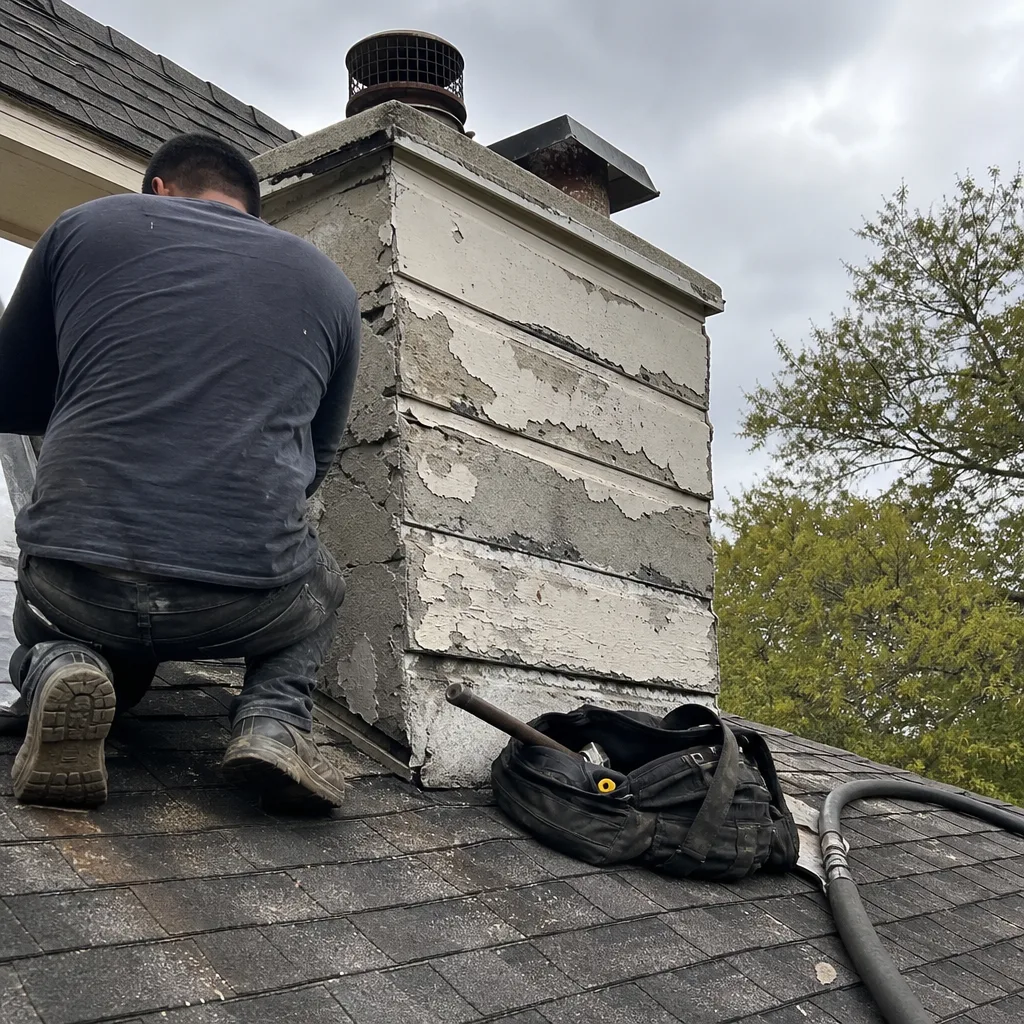 Before
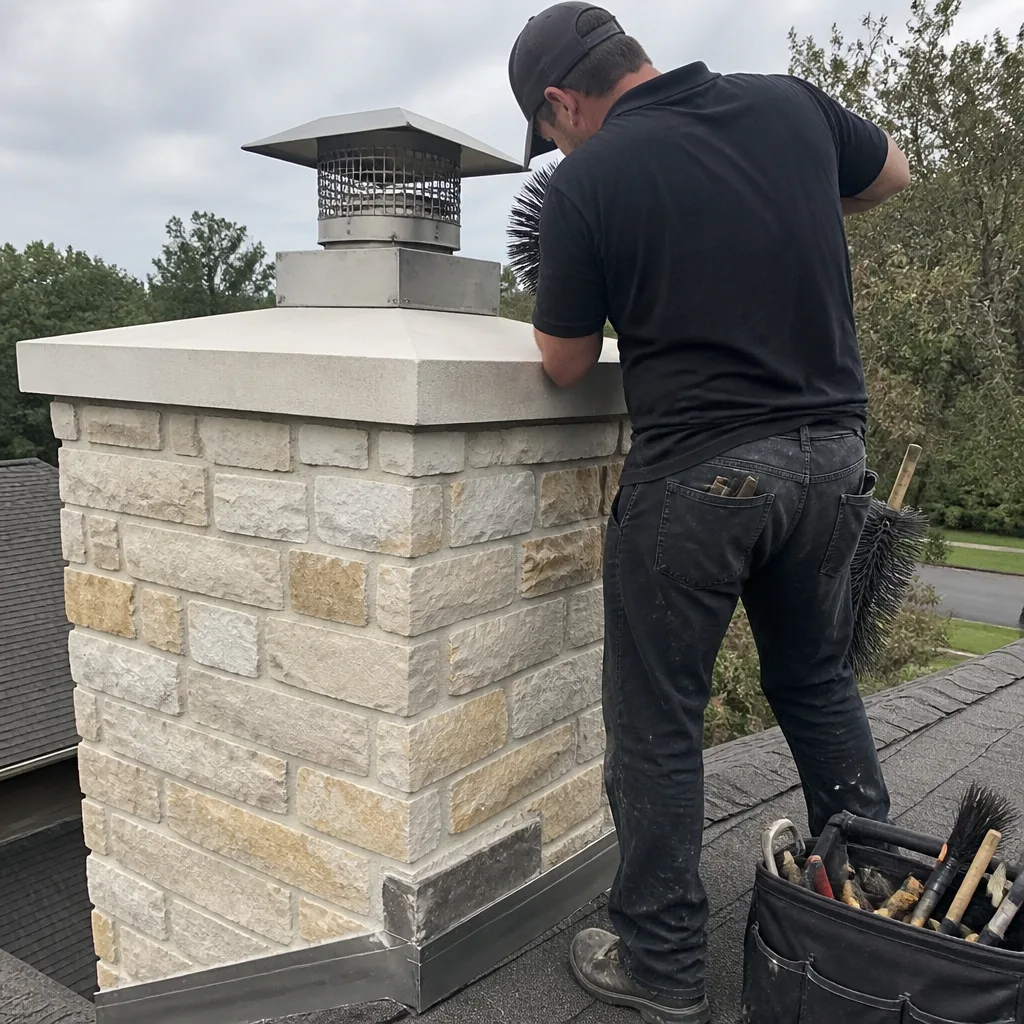 After
After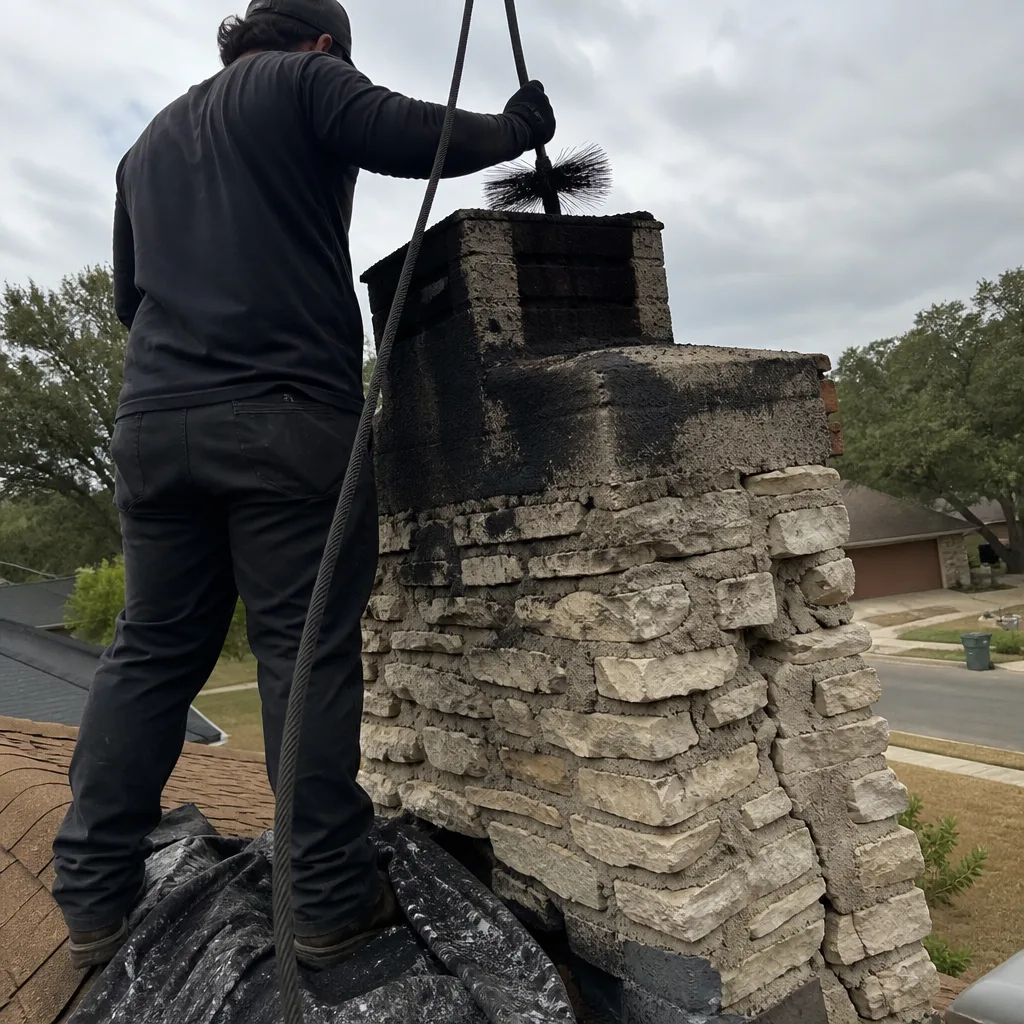 Before
 After
After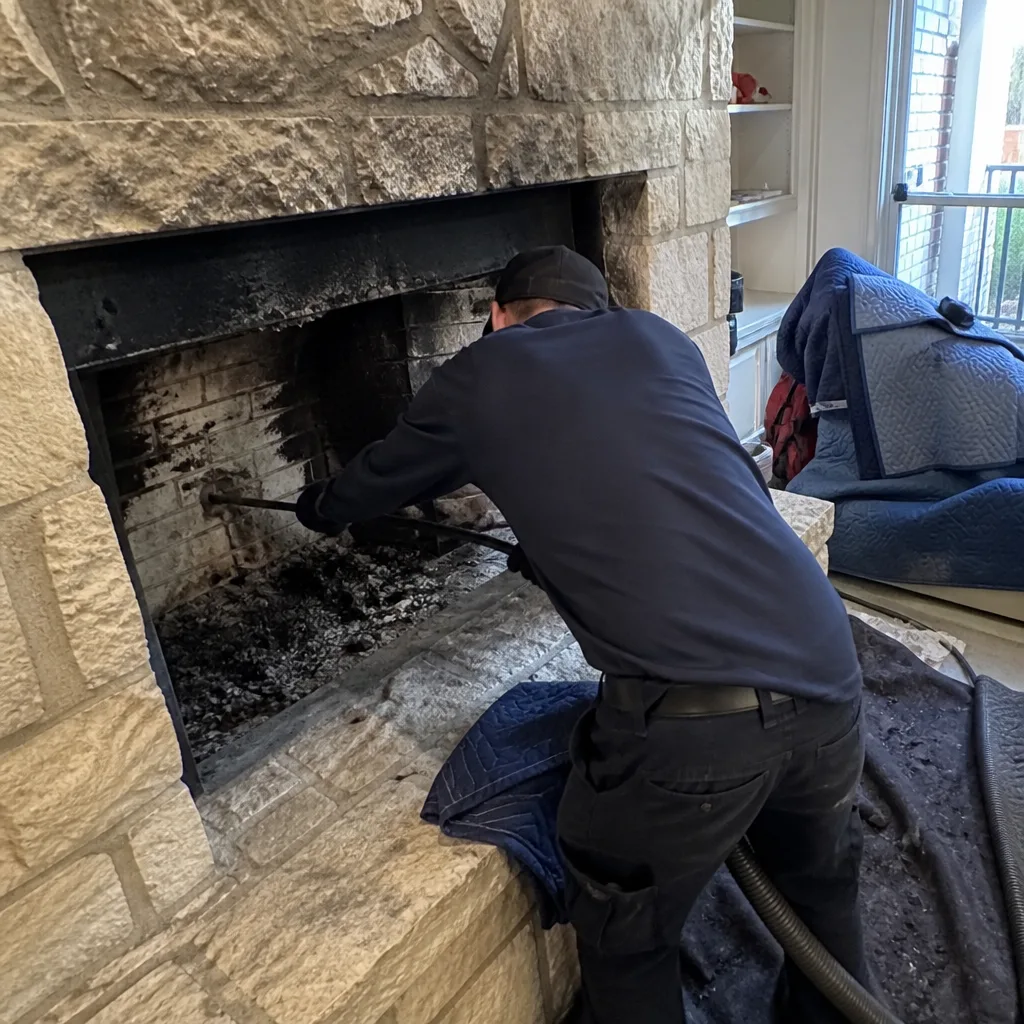 Before
 After
After