
Last updated October 15, 2026
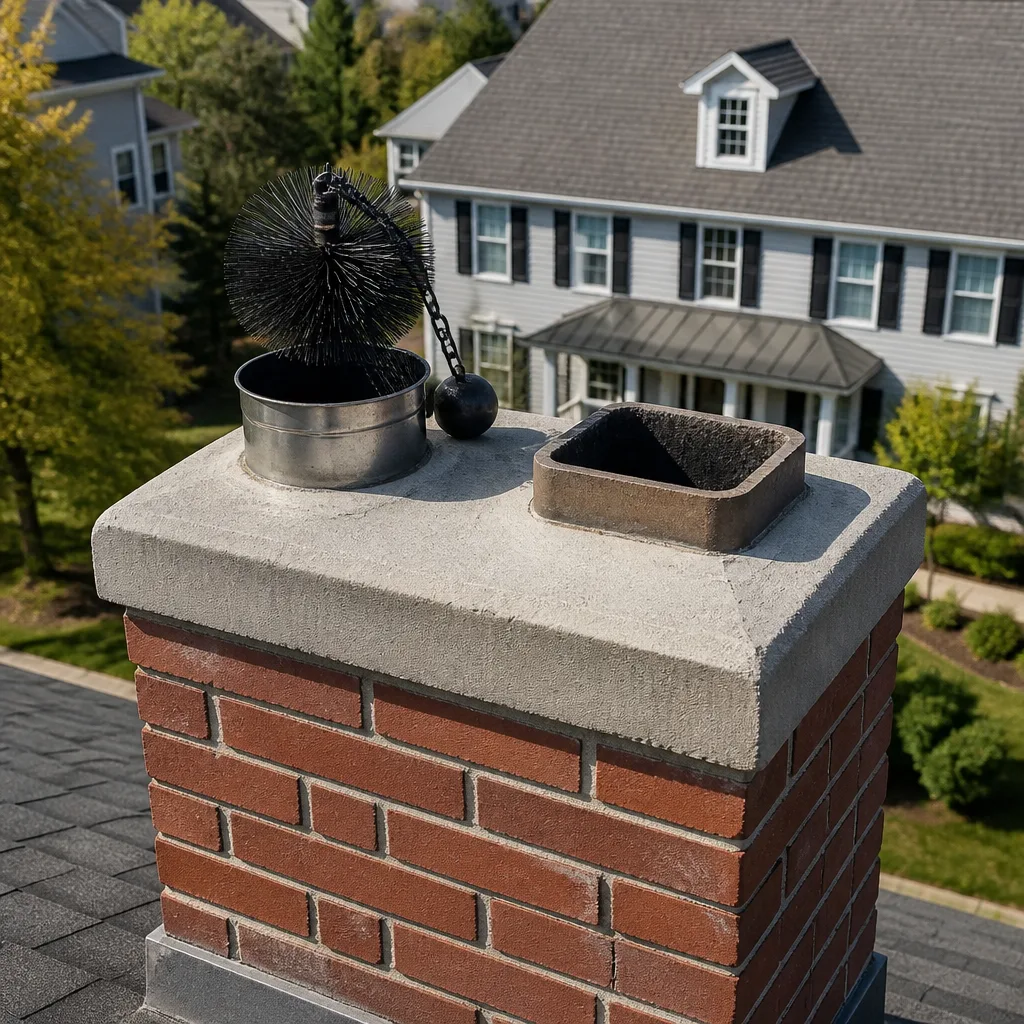 Sweep & inspection
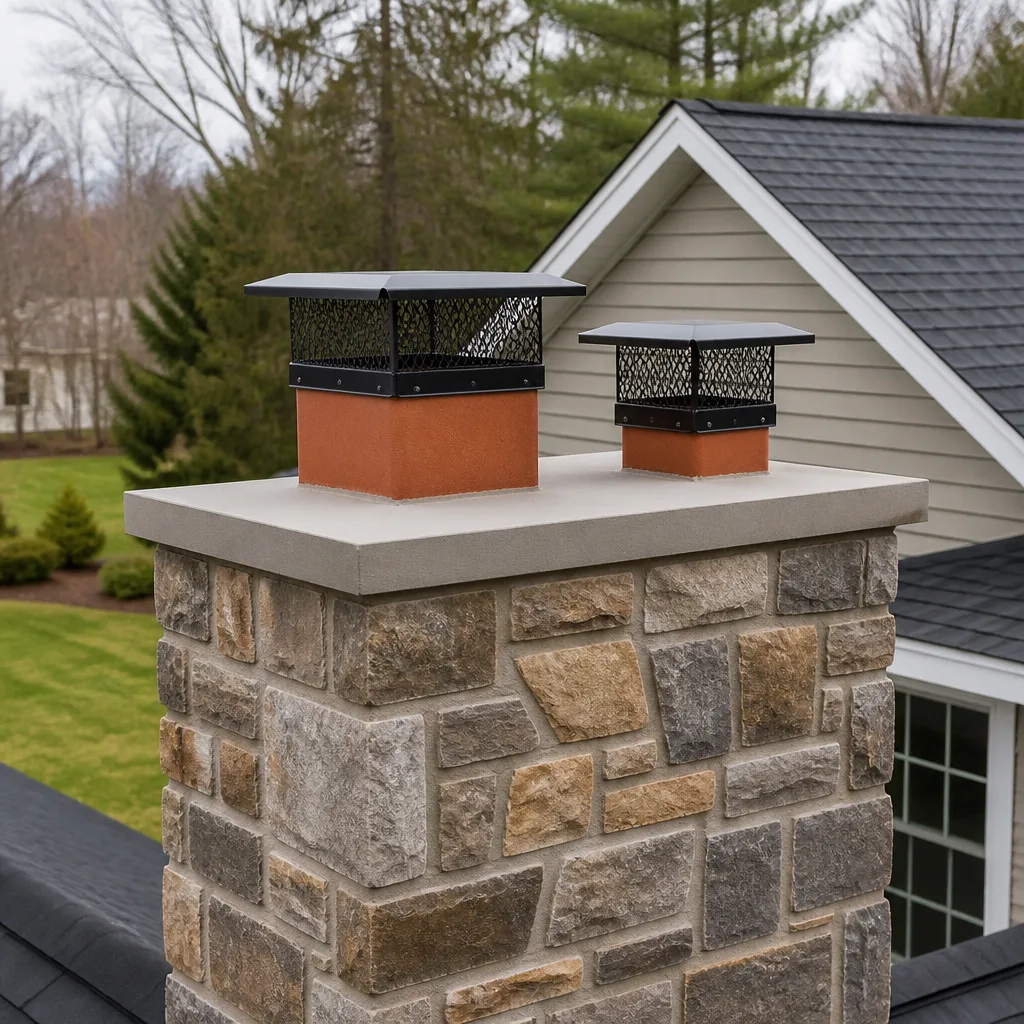 Caps & crowns
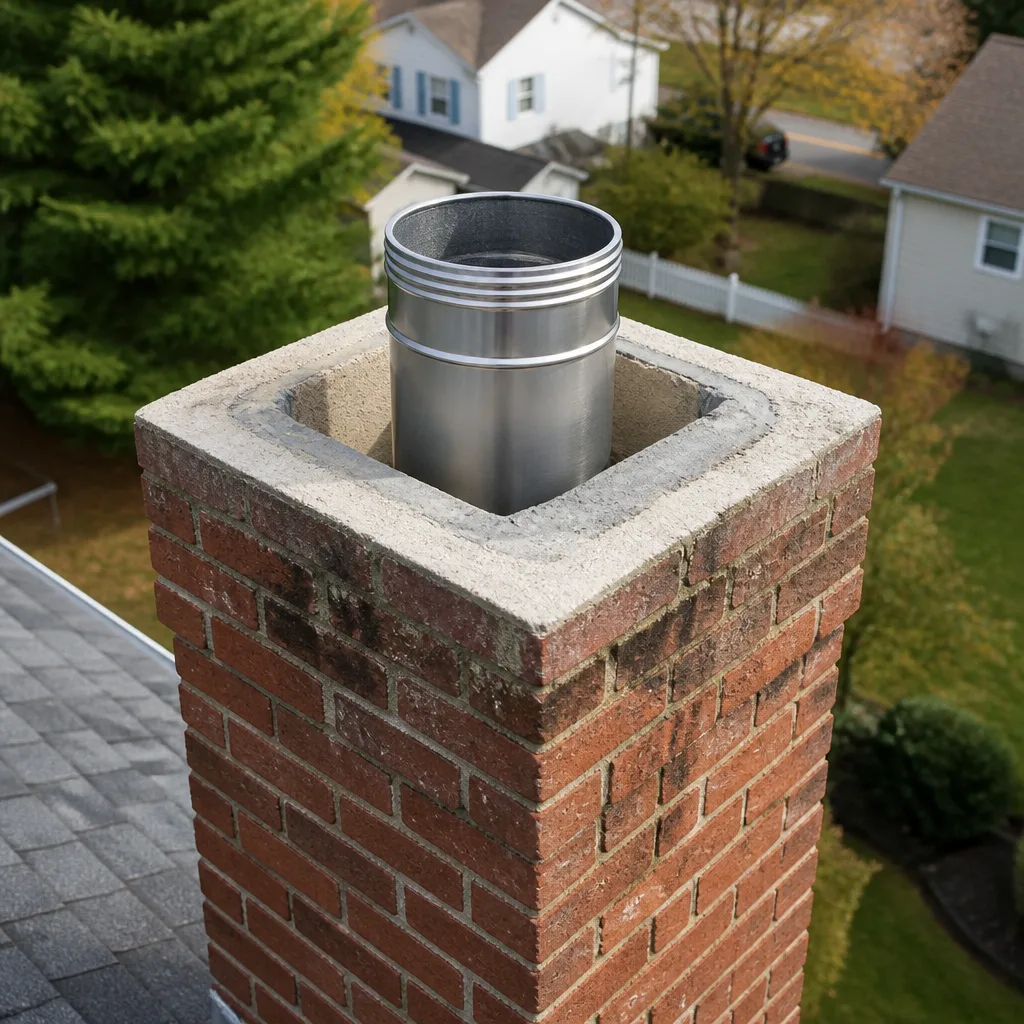 Flue relining
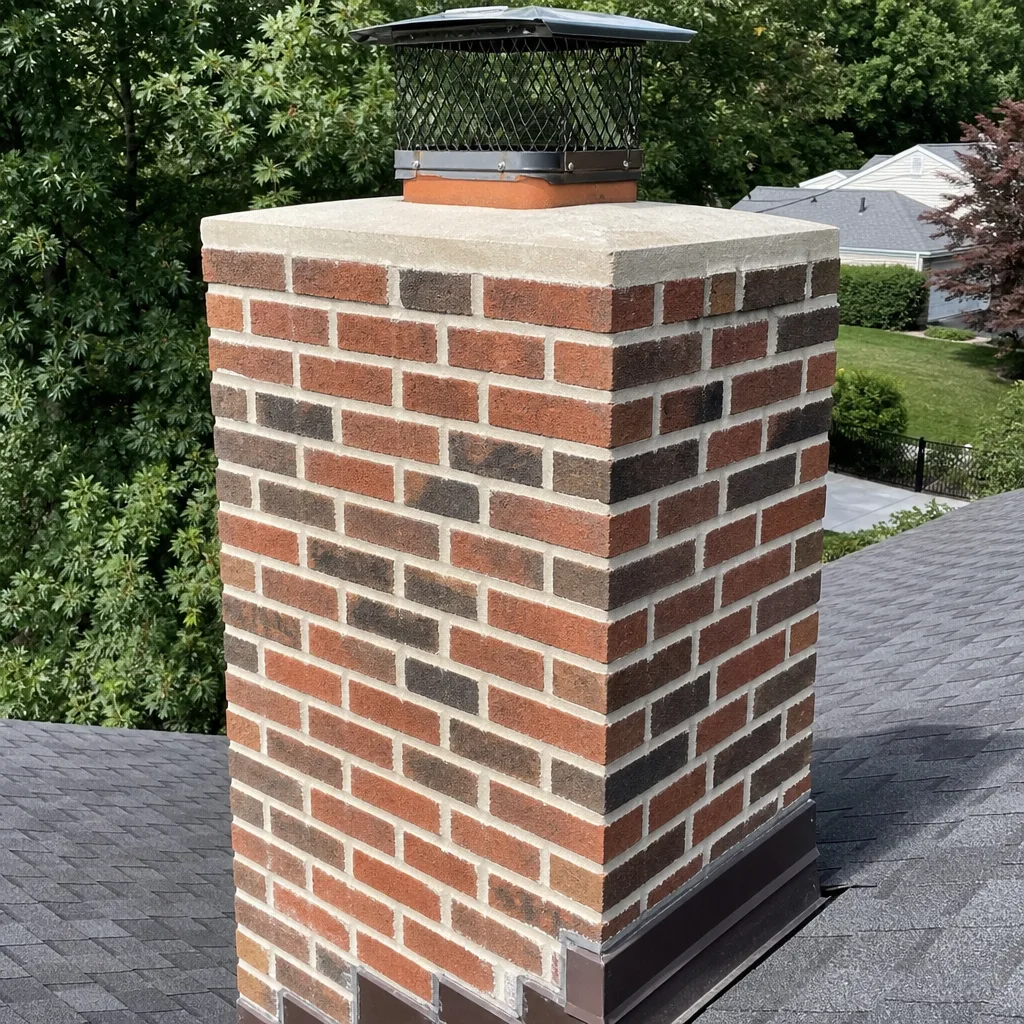 Masonry repair
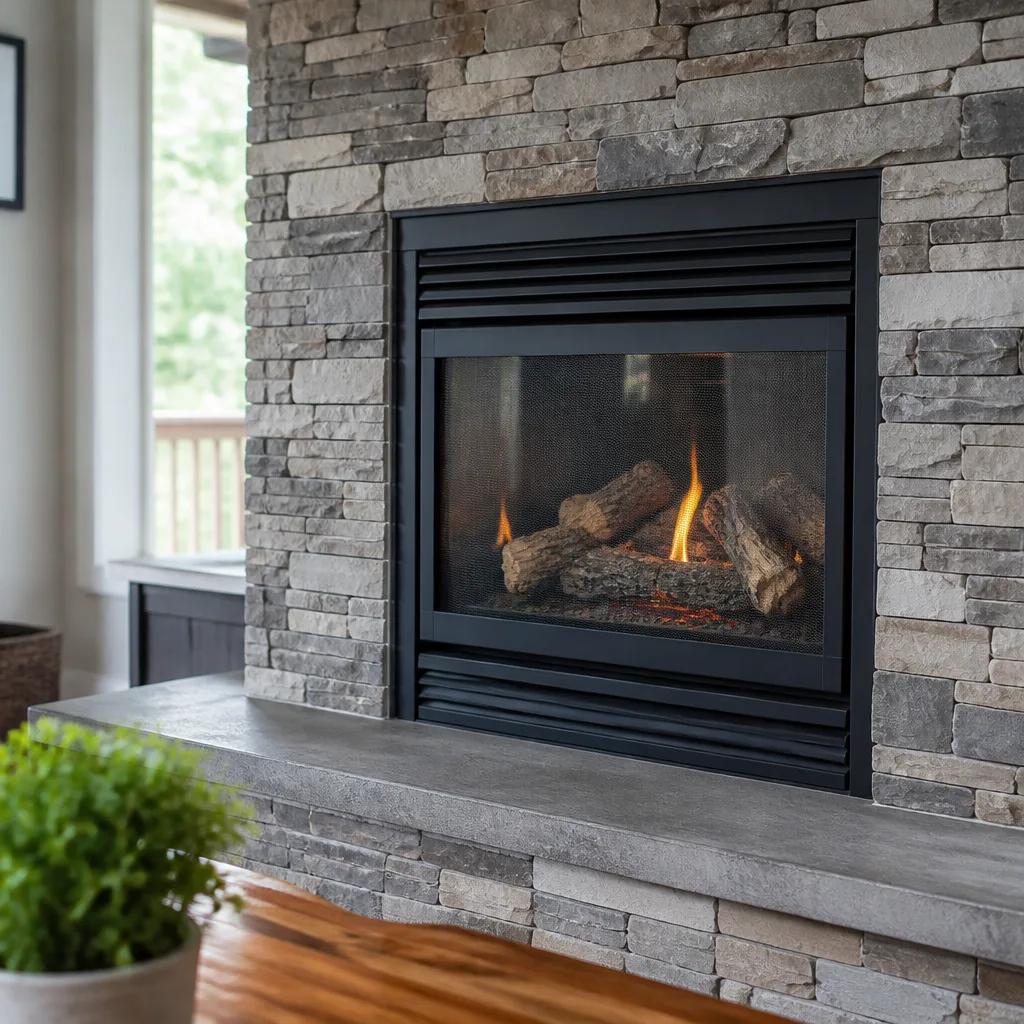 Gas fireplace service
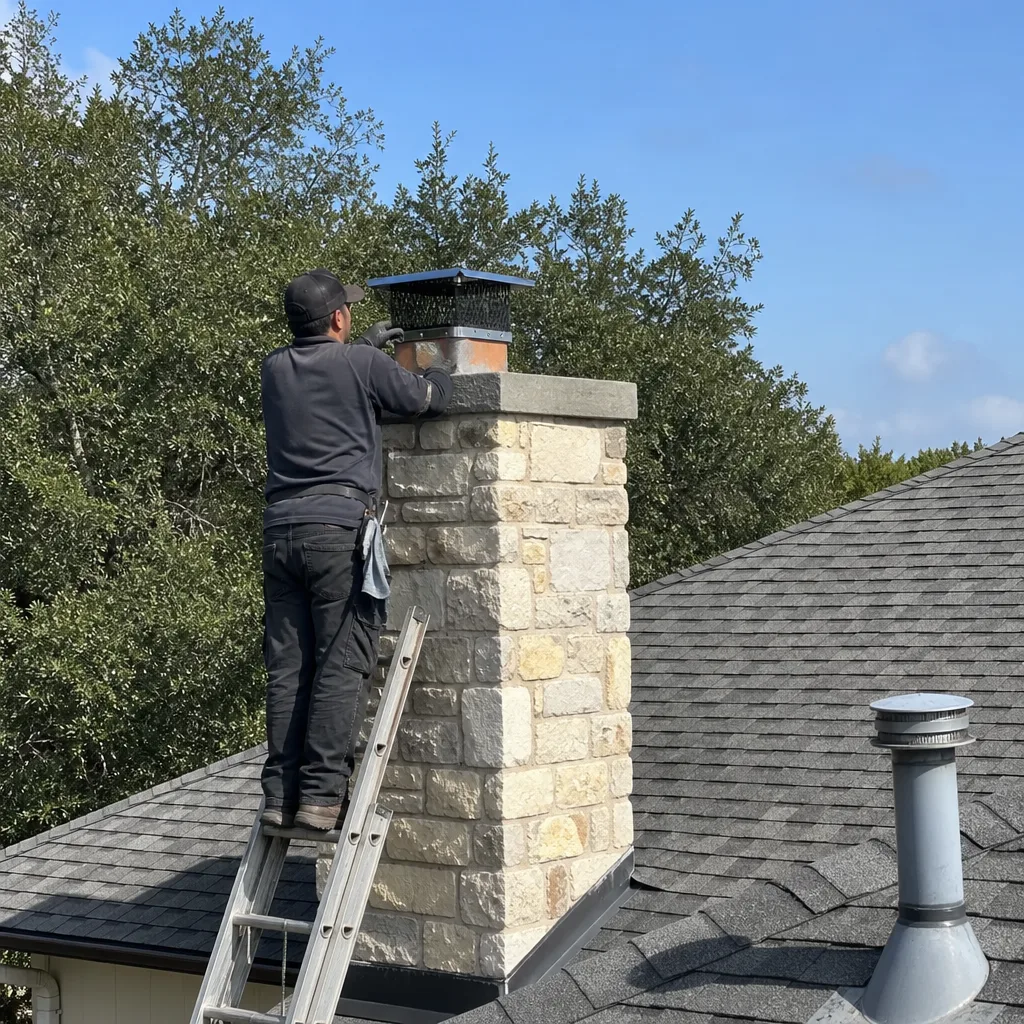
Level 1 sweep and inspection to the NFPA 211 annual standard - flue, crown, cap, and flashing checked and photographed
Chimney sweep logs do not sweep chimneys. They loosen some creosote - which then falls where a brush and vacuum still have to collect it.
Chimney Cleaning Permits, Codes & Inspections in TX: What You Need to Know
Most Austin homeowners assume a chimney cleaning is just a routine maintenance call, like gutter cleaning or dryer vent service. Then the sweep pulls a camera out and shows you a cracked flue liner on a tablet screen, and suddenly you’re not talking about soot anymore. You’re talking about a repair that might need a permit, might trigger a code requirement, and might come back to haunt you at resale if it wasn’t done properly. Austin’s 2021 residential building code update quietly changed what counts as a “like-for-like” chimney repair versus a permitted alteration. This guide explains where that line sits, what triggers a mandatory inspection, and how to avoid unpermitted work coming up on a title search when you sell. For related reading, see our The Complete Guide to Chimney Cleaning in Austin.
Styles & brands we work with
Quick Answer
Chimney cleaning itself does not require a permit anywhere in Texas, including Austin. The work that follows a cleaning, however, often does: relining a chimney, rebuilding a firebox, altering the flue, or installing a factory-built fireplace system all trigger permit requirements under the City of Austin’s current residential code. A standard sweep with no structural changes stays firmly on the no-permit side of the line.
Table of Contents
- What Chimney Work Requires a Permit in Austin vs. What Doesn’t
- How Texas Fire Code (NFPA 211) Intersects with Austin Ordinances
- When a Level 2 Inspection Is Legally Triggered in Texas
- Unpermitted Chimney Work at Resale: What Title Companies Flag
- How to Verify a Contractor Is Pulling Permits When Required
- Why Austin’s Climate Creates Inspection-Relevant Chimney Problems
- What Permits and Inspections Actually Cost in Austin
- Common Mistakes to Avoid
- When to Call a Professional
- Frequently Asked Questions
- The Bottom Line
What Chimney Work Requires a Permit in Austin vs. What Doesn’t
The short version: cleaning and inspection never require a permit. Anything that changes the chimney’s structure, venting path, or materials generally does. Here’s the breakdown based on current City of Austin residential building code and how it’s enforced in practice.
No permit required:
- Chimney sweeping (mechanical brush, rotary whip, or chemical treatment)
- Level 1 or Level 2 chimney inspection that doesn’t involve opening up walls or removing masonry
- Chimney cap installation when the cap attaches to the existing flue tile or crown without structural alteration
- Chase cover replacement on a prefab chimney when dimensions and materials match the original
- Damper replacement when the new damper fits the existing throat opening without masonry modification
Permit required in Austin:
- Full or partial flue relining, including stainless steel liner installation (this is the big one homeowners miss)
- Firebox rebuild or firebrick replacement that extends beyond surface repair into structural masonry
- Smoke chamber parging or rebuilding when it alters the venting geometry
- Installation of a new wood-burning fireplace, stove, or insert where none existed
- Conversion from wood-burning to gas logs when it changes the venting configuration
- Chimney rebuild, whether partial (above the roofline) or full height
The 2021 code update tightened the definition of “like-for-like” repair. Previously, a contractor could argue that installing a stainless liner to replace a failed clay tile liner was functionally the same system. Now, the City of Austin treats liner material changes (clay to steel, or steel to a different steel grade) as a system alteration subject to review. In our experience, many Austin homes built in the 1980s and 1990s with original clay tile liners are hitting this threshold when the liner finally cracks and needs replacement.
If you’re in an older Austin neighborhood like Hyde Park, Travis Heights, or Allandale where clay tile liners were standard through the early 2000s, you’re more likely to need a permit for what sounds like a straightforward repair. That’s not a reason to avoid the repair. It’s a reason to work with someone who knows the local requirements and handles the paperwork.
How Texas Fire Code (NFPA 211) Intersects with Austin Ordinances
Texas adopts the National Fire Protection Association’s Standard 211 as the baseline for chimney and fireplace safety. Austin has adopted the 2015 edition of NFPA 211 with local amendments. NFPA 211 sets the operational rules: how often chimneys should be inspected, what constitutes an obstruction, and when a system is considered unserviceable.
Austin’s local code adds administrative teeth to those rules. The city can require corrective action if a chimney creates a documented fire hazard, and in rental properties, a flagged chimney hazard can create a habitability issue under the city’s tenant safety provisions. Here’s how the two layers work in practice:
- NFPA 211 says: chimneys and fireplaces should be inspected annually and cleaned as needed. The standard also requires a more thorough Level 2 inspection when a property changes hands, after a chimney fire, or after any system alteration.
- Austin code says: when a structural repair or system change happens, the permit process ensures the work meets the adopted edition of NFPA 211 plus local amendments for wind load, waterproofing, and clearances.
- Result: a cleaning is purely maintenance. A relining is a code-regulated repair that must meet both fire safety standards and local permitting requirements.
One point worth understanding: NFPA 211 requires wood-burning fireplace chimneys to maintain at least a 2-inch clearance to combustibles through most of their run. In Austin, many older homes in neighborhoods like Crestview and Brentwood have chimneys that never met this clearance because they were built before the requirement was widely enforced. A Level 2 inspection, which uses a camera to see inside the flue and behind the walls in accessible chase areas, reveals these legacy issues. They have to be addressed if you’re doing any permitted work that touches the affected area, even if the original installation was legal at the time.
When a Level 2 Inspection Is Legally Triggered in Texas
Most homeowners are only familiar with what the industry calls a Level 1 inspection, which is the visual check a sweep performs during a standard cleaning. It covers the readily accessible parts of the chimney: the firebox, the damper, the flue interior with a light, and the exterior visible from the roofline.
A Level 2 inspection is a more rigorous camera-based evaluation. In Texas, under NFPA 211 as adopted, a Level 2 inspection is triggered any time one of these conditions exists:
- A property is being sold or transferred. NFPA 211 explicitly calls for a Level 2 inspection during real estate transactions. This is the standard a home inspector’s visible-only chimney observation fails to meet, and it’s why many title companies and lenders in Austin now request a separate chimney inspection on wood-burning homes.
- A chimney fire has occurred. Any documented chimney fire, even a small one that was contained, triggers a Level 2 requirement because the thermal event can compromise mortar joints, crack clay tiles, and damage the metal components inside the chase.
- The system has been altered. If you’ve converted from wood to gas, changed the appliance, or modified the venting path, the system needs a Level 2 evaluation to verify the alteration is safe and compliant.
- An earthquake, tornado, or major storm event occurred. In Austin, we periodically see high-wind events from spring thunderstorms loosen crowns and shift masonry. After a tornado warning with confirmed touchdown in your area, a Level 2 is the defensible standard.
A Level 2 inspection is not a scare tactic or an upsell. It’s the legally specified standard for changed circumstances. If you’re buying a home in Austin with a wood-burning fireplace, don’t accept a standard home inspection chimney note as sufficient. Request the Level 2, have it documented, and pass that documentation to your lender. It answers questions before they become closing delays.
Unpermitted Chimney Work at Resale: What Title Companies Flag
Here’s the scenario we hear about most from Austin sellers. They had a chimney relined in 2019. The contractor did the work, charged a fair price, and the fireplace worked fine. No permit was pulled. In 2025, they list the house. The buyer’s title company runs a permit check against city records, finds no permit for a repair that Austin clearly requires to be permitted, and now the closing is delayed.
Title companies in Travis County flag unpermitted work differently depending on whether it’s visible or structural. A new roof without a permit is obvious. A chimney liner installed inside an existing flue is invisible to the naked eye, but it may show up in the seller’s disclosure. Texas seller disclosure law requires you to disclose known repairs and improvements. If your disclosure mentions a chimney relining, and the title company’s permit search shows nothing matching, that’s a title exception. You’ll have to either pull a retroactive permit and have the work inspected, or negotiate a repair credit with the buyer.
What actually happens, in practice:
- If the work was done correctly but unpermitted: Austin will generally issue a permit after the fact, then require an inspection. If the inspection passes, the issue is resolved. This adds two to four weeks to closing.
- If the work was done incorrectly and unpermitted: the new liner fails inspection, the repair has to be redone, and the seller is typically responsible for the cost because the disclosure triggered the inquiry.
- If the work was never disclosed and the buyer discovers it after closing: this becomes a potential disclosure dispute, which is the last thing anyone wants.
The practical takeaway for Austin homeowners: if you’re having chimney work done that changes the flue system, ask the contractor directly, “Is this permitted work, and are you pulling the permit?” If the answer is no and you know Austin code says yes, that’s a red flag about how the contractor handles other parts of the job, too.
How to Verify a Contractor Is Pulling Permits When Required
Austin’s permit system is relatively easy for homeowners to check. The city maintains a searchable permit database through the Development Services Department. Here’s the straightforward process we recommend:
- Ask before the work starts. “Will this job require a permit, and will you be pulling it?” A licensed contractor in Austin knows the answer immediately. If they hesitate, that’s information.
- Check the Austin Build + Connect online portal. You can search by address to see open permits and recent permit history. If the contractor says the permit is pulled and you don’t see it within a few days, follow up.
- Ask for the permit number. Permits in Austin have a visible tracking number. If the contractor can’t produce one, the permit doesn’t exist.
- Confirm the permit covers the actual work described. A permit pulled for “chimney repair” that doesn’t specify relining may not satisfy the city’s requirements for a liner change. Make sure the description matches the scope.
- Verify the final inspection was completed and closed. An open permit that was never signed off creates the same resale problem as no permit at all. The contractor should provide evidence of the closed permit at job completion.
This might sound like a lot of process for a chimney repair. It’s the same process you’d follow for an electrical panel replacement or a bathroom remodel. The difference is that chimney work has lower homeowner awareness around permitting, and a percentage of chimney contractors exploit that gap. The ones who don’t are easy to work with. Chimney inspection in Austin includes reviewing whether any existing unpermitted work would create a problem before you start planning your next project.
Why Austin’s Climate Creates Inspection-Relevant Chimney Problems
Austin’s chimney problems don’t look like Minnesota’s or Oregon’s. We don’t get freeze-thaw cycling the way northern climates do, but we get something worse for masonry: extended heat, flash floods, and high humidity combined with seasonal drought that causes soil movement. Homes in Austin neighborhoods like Mueller, Circle C, and Avery Ranch sit on expansive clay soils that shift with moisture levels. When the soil moves, the chimney moves. When the chimney moves, even slightly, hairline cracks form in the firebox and flue.
What we regularly see in Ashby Chimney Austin home territory:
- Vertical cracking in exterior chimney masonry caused by differential settling between the house slab and the chimney footing. This is common in east Austin neighborhoods built on blackland prairie clay.
- Water intrusion through crown cracks that widen during dry summers when the concrete crown shrinks, then close partially during wet spring months, trapping moisture inside.
- Flue tile spalling (surface flaking) from cumulative heat cycling in older fireplaces that were used heavily during the cooler months Austin does get.
- Damper rust and seizure from humid air rising through the flue during the long Austin off-season when the fireplace sits unused.
None of these conditions require a permit to identify. They’re exactly what a thorough chimney sweep in Austin checks for as part of the annual visit. But when the sweep finds spalling that extends more than a few inches into the flue, or a crack pattern that suggests structural movement, the recommended repair path usually enters permit territory. Knowing that going in saves you from a surprise. If you know the relining recommendation is coming with a permit requirement, you can factor that into your budget and timeline instead of discovering it mid-project.
What Permits and Inspections Actually Cost in Austin
Permit costs in Austin are modest compared to the repair costs they regulate. The city charges based on the scope and valuation of the work, and for most residential chimney repairs, fees fall within a predictable range.
- Residential repair permit (minor alteration): typically $75 to $200, depending on valuation
- Residential repair permit (relining or rebuild): typically $150 to $400
- Level 2 chimney inspection: $200 to $500, depending on equipment and reporting depth
- Level 1 inspection as part of a sweep: usually included in the sweep fee, which in Austin runs $175 to $325 for a standard single-flue fireplace
The permit fee is a rounding error against the cost of a flue relining (often $2,500 to $6,500 in Austin) or a full chimney rebuild (which can exceed $12,000). What costs you is doing it wrong: paying for a relining without a permit, then selling the house and needing a retroactive permit plus re-inspection, or worse, discovering the liner was installed incorrectly and needs replacement again.
Every job we quote gets a written price before any work starts, and that price includes permit fees when the work requires them. No line-item surprises. No “the permit came in higher than we thought” after the fact. The number you see is the number you pay. That’s the approach we’ve used since 2002, and it’s the way chimney work should work everywhere in Austin.
Common Mistakes to Avoid
- Assuming “a sweep said it’s fine” equals an inspection. A visual check during cleaning is not the same as a Level 1 or Level 2 inspection. If your home sale or insurance claim requires an inspection, get a documented inspection.
- Skipping the permit on a relining because it’s “just replacing what was there.” Austin’s 2021 code update treats clay-to-steel liner changes as alterations. The permit is required, and skipping it creates a resale problem later.
- Accepting a contractor’s permit assurance without verification. “We’ll handle it” is not a permit number. Check the Austin Build + Connect portal before paying the final invoice.
- Waiting until the week before listing to address known chimney issues. A retroactive permit takes two to four weeks minimum. Starting the process during the listing period creates unnecessary leverage for the buyer.
- Treating a gas log fireplace as a no-maintenance appliance. Gas fireplaces still need annual inspection. Vent-free gas logs deposit residue and can create indoor air quality issues in tight Austin homes with modern windows and insulation.
- Ignoring water staining on the ceiling near the chimney chase during Austin’s spring storms. Water intrusion through a failed crown or chase cover only worsens, and the repair escalates from a $400 cap to a multi-thousand-dollar reconstruction if left unaddressed.
When to Call a Professional
Some chimney projects are doable for a careful homeowner: replacing a damper handle, touching up firebox paint with high-heat products, or cleaning glass doors. But most permit-relevant work is not. If you’re looking at a cracked flue liner, a firebox with crumbling mortar joints, a leaning chimney stack, or water staining around the fireplace ceiling, stop and call someone who does this work every day. The same applies if you’re buying or selling a home in Austin with a wood-burning fireplace and need a documented Level 2 inspection that satisfies NFPA 211 and your title company. Ashby Chimney Austin offers free estimates in Austin – call (254) 274-4486. You’ll get a written price, a real arrival window, and a clear explanation of what needs a permit and what doesn’t. No pressure, no surprise charges at the door.
Frequently Asked Questions
Most chimney sweeps in Austin run between $175 and $325 for a standard single-flue fireplace cleaning with a Level 1 visual inspection included. For help spotting when cleaning reveals bigger problems, read our Chimney Cleaning Warning Signs: A Austin Homeowner’s Reference Guide. Prefab or double-flue systems run higher. Some homes with heavy creosote buildup or hard-to-access rooflines cost more because of the extra labor. The exact quote depends on the system type and condition. Call (254) 274-4486 for a written estimate that won’t change when the technician arrives.
No, installing a chimney cap on an existing flue does not require a permit in Austin, as long as the cap attaches without altering the flue structure. If the cap installation is combined with crown repair that involves masonry work, the crown repair may trigger a permit. A simple cap on an intact flue stays on the no-permit side.
You need a Level 2 inspection in Texas when a property changes hands, after any chimney fire, after a system alteration, or following major weather events like a tornado or significant seismic activity. NFPA 211, as adopted in Texas, makes Level 2 the minimum standard in these situations. A standard home inspection does not satisfy this requirement.
You can, but you’ll disclose it on the seller’s disclosure form (Texas law requires disclosure of known repairs), and the buyer’s title company may flag the missing permit. Depending on the work’s condition, you’ll either need a retroactive permit and inspection or negotiate a credit with the buyer. Correctly done but unpermitted work typically adds two to four weeks to closing; incorrectly done work adds cost.
NFPA 211 recommends annual inspection and cleaning as needed, and that standard applies in Austin even though we burn less than colder climates. Use our Chimney Sweep Maintenance Checklist for Austin Homeowners to stay on track. Even with occasional use, Austin’s humidity, soil movement, and seasonal storms cause issues that a camera inspection catches early. If you use your fireplace more than a handful of times per season, annual service is the right cadence. If it’s decorative only, an inspection every two years is defensible.
Modern relining in Austin typically uses 316L or 304 stainless steel liner systems from manufacturers like DuraFlex and Olympia Chimney. For firebox repair, products like HeatShield and medium-duty refractory mortar are standard. Gelco chimney caps and chase covers are common choices for weatherproofing prefab systems. A quality relining job with these materials, properly permitted, lasts 25-plus years in central Texas conditions.
Does a gas fireplace need any chimney permits or inspections in Austin?
A gas fireplace that was installed with the original home and is being maintained (cleaned, serviced) needs no permit. Converting a wood-burning fireplace to gas logs does require a permit in Austin when the venting configuration changes. Gas log conversions that stay within the existing venting path are a gray area; a reputable Austin contractor pulls the permit and gets it inspected to keep your resale clean.
The Bottom Line
Chimney cleaning in Austin is permit-free, straightforward maintenance. The moment your fireplace needs more than cleaning, the rules change. Know what triggers a permit, know what triggers a Level 2 inspection, and confirm your contractor is doing the paperwork when it’s required. The cost of doing it right upfront is a fraction of the cost of fixing it later. If you want a clear answer about your specific chimney, firebox, or venting system, call Ashby Chimney Austin at (254) 274-4486. For more guides & resources, visit our blog. We’ll tell you what you have, what it needs, and what it costs, before any work starts. That’s the way it should work everywhere in Austin.
Written by Nathan Corliss, Owner at Ashby Chimney Austin, serving Austin since 2002.
See the difference
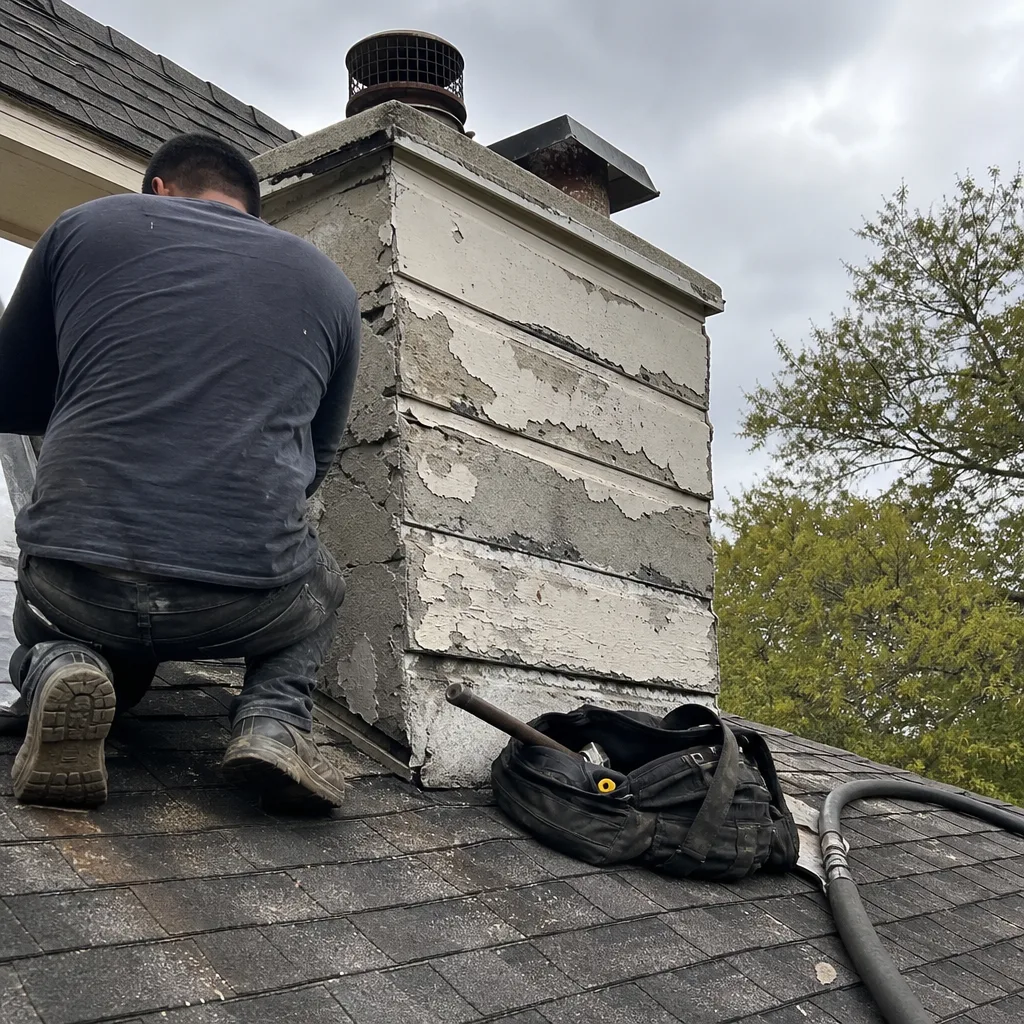 Before
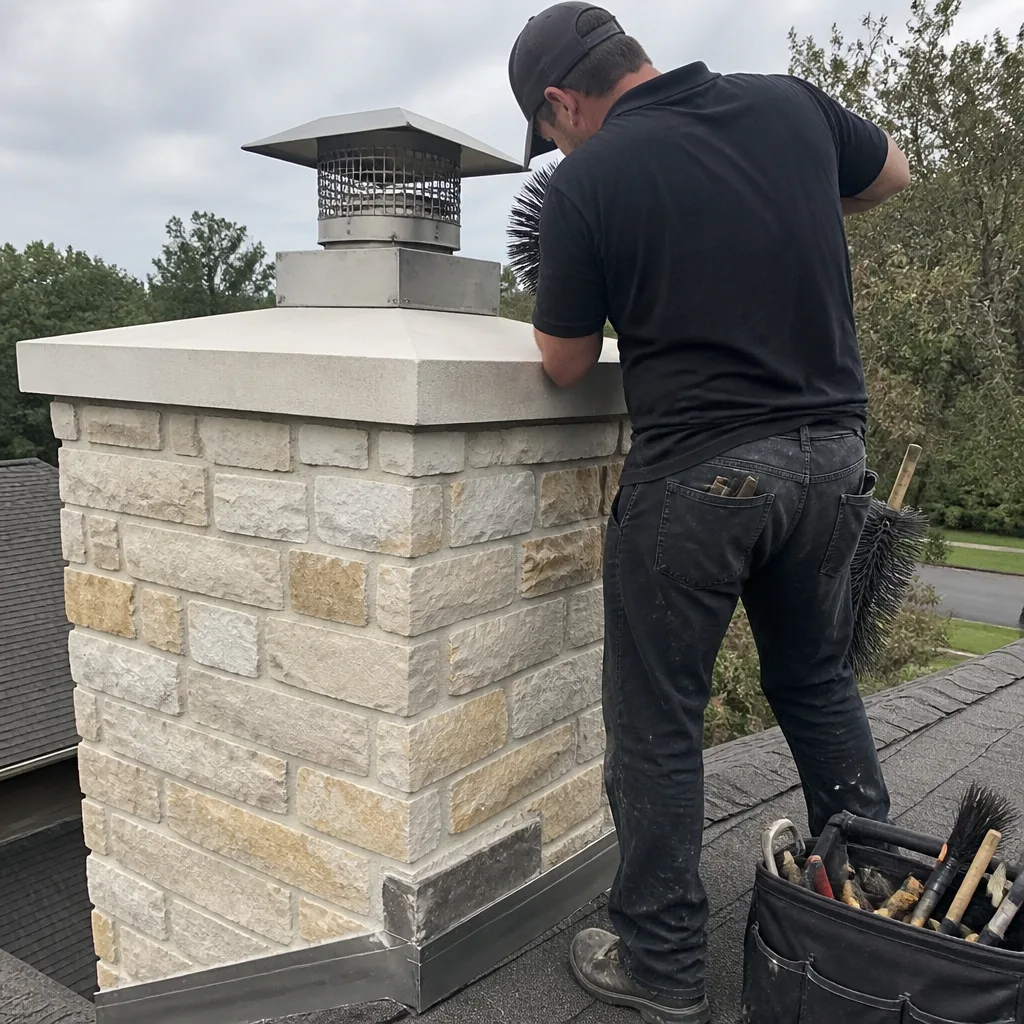 After
After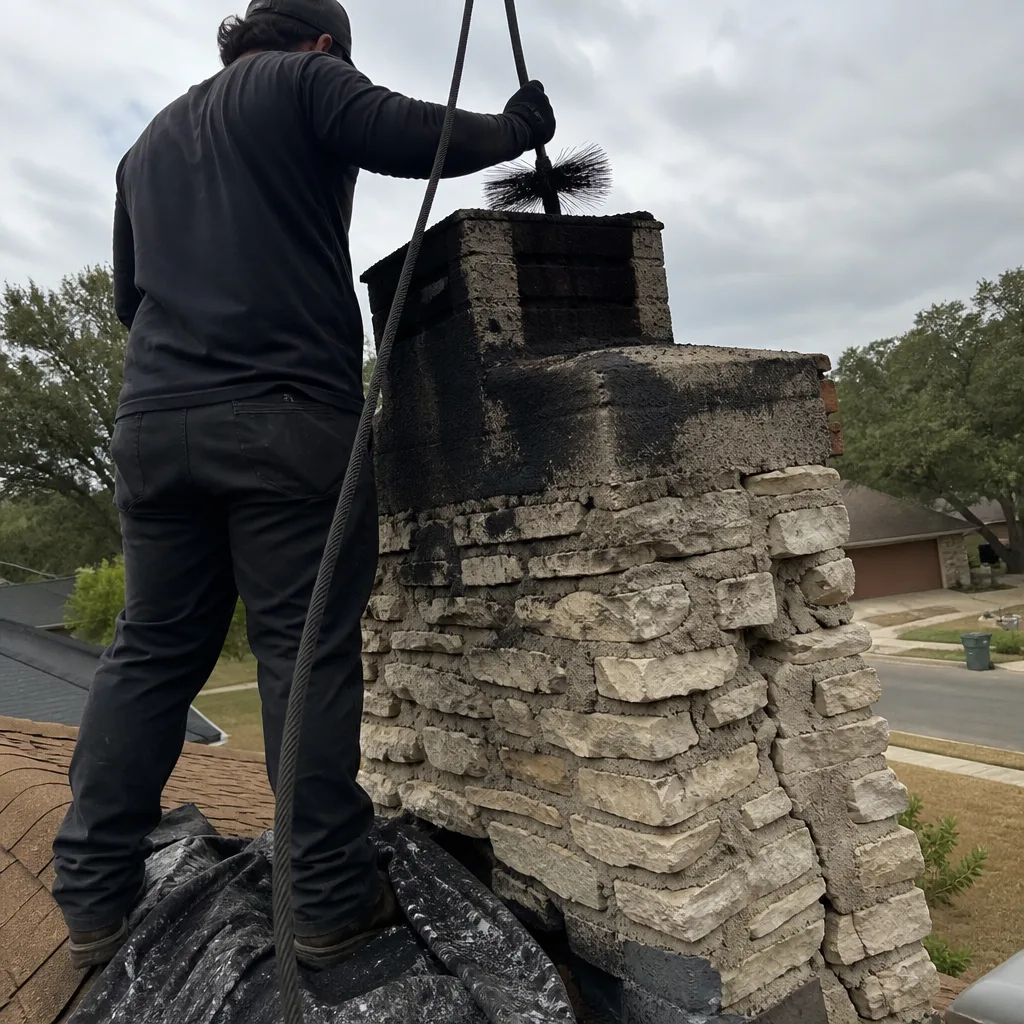 Before
 After
After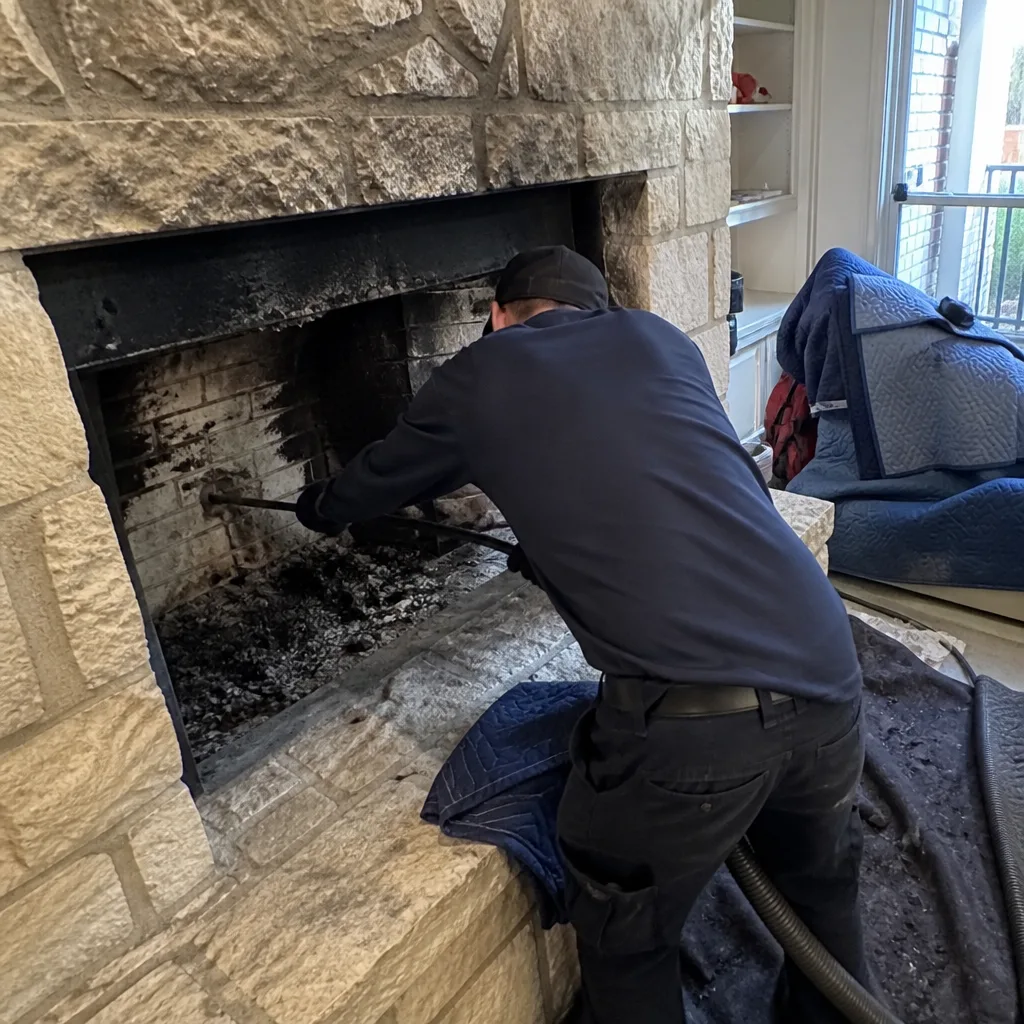 Before
 After
After