
Last updated October 15, 2026
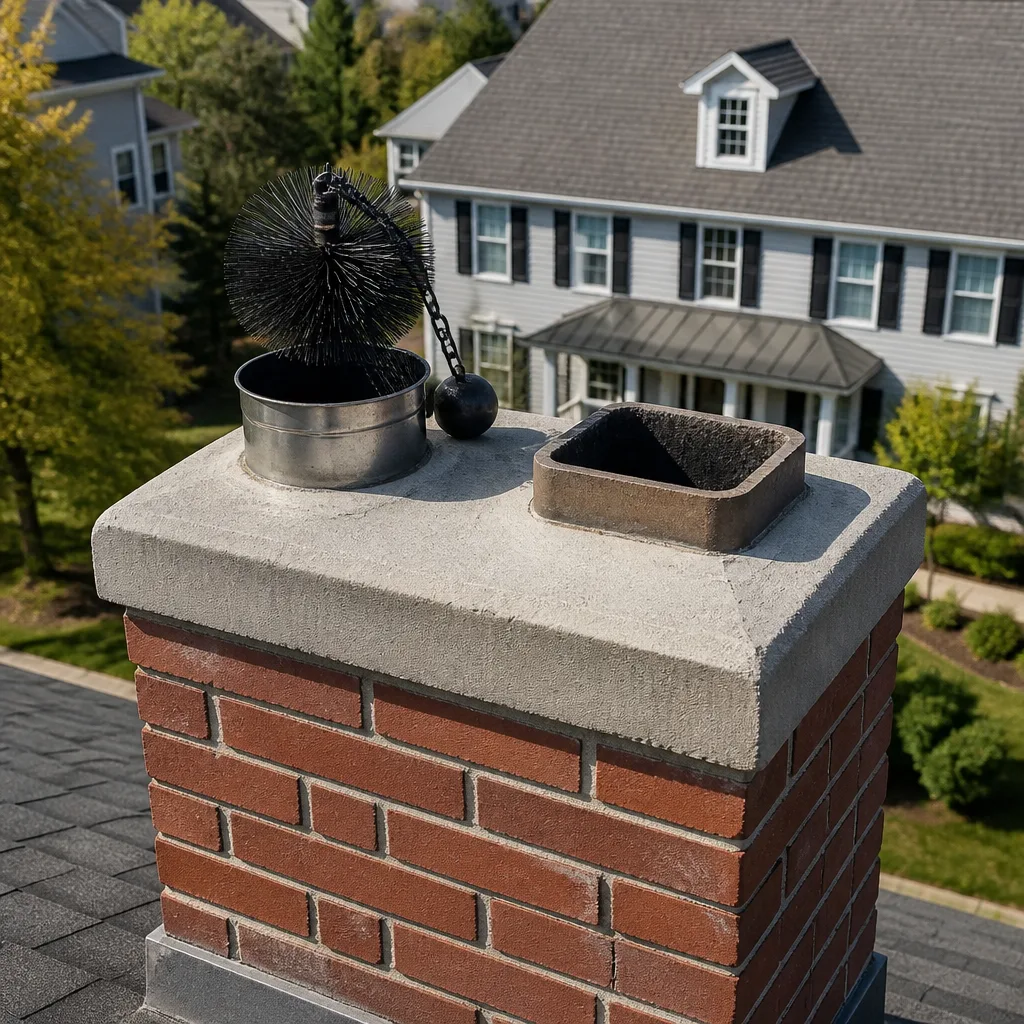 Sweep & inspection
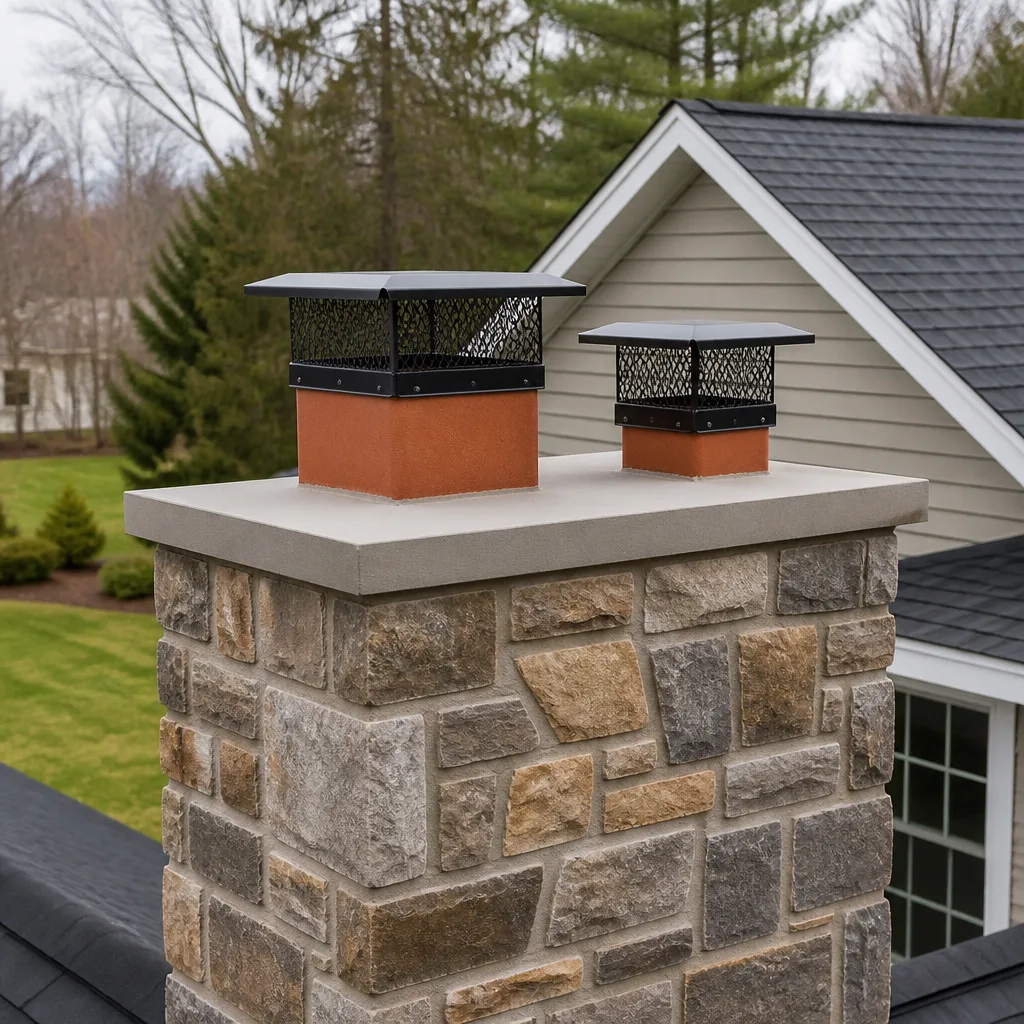 Caps & crowns
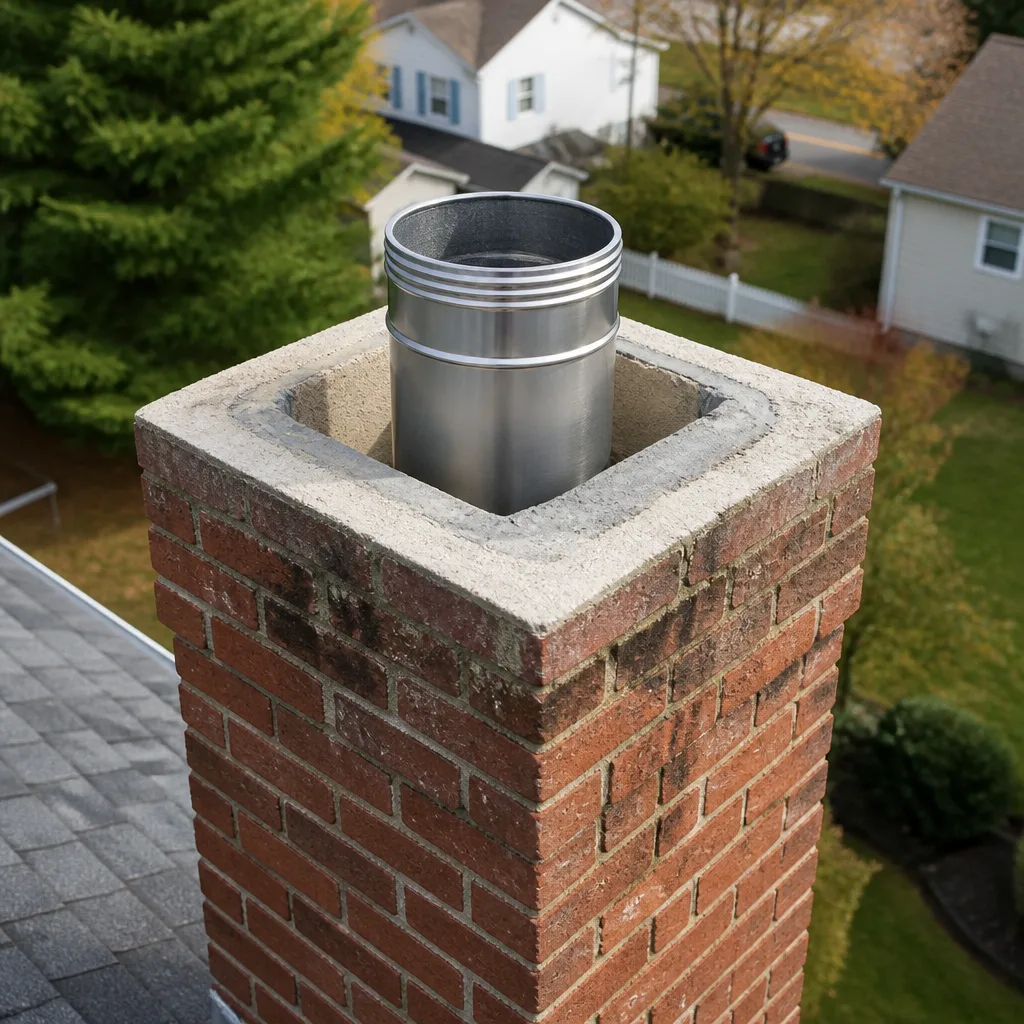 Flue relining
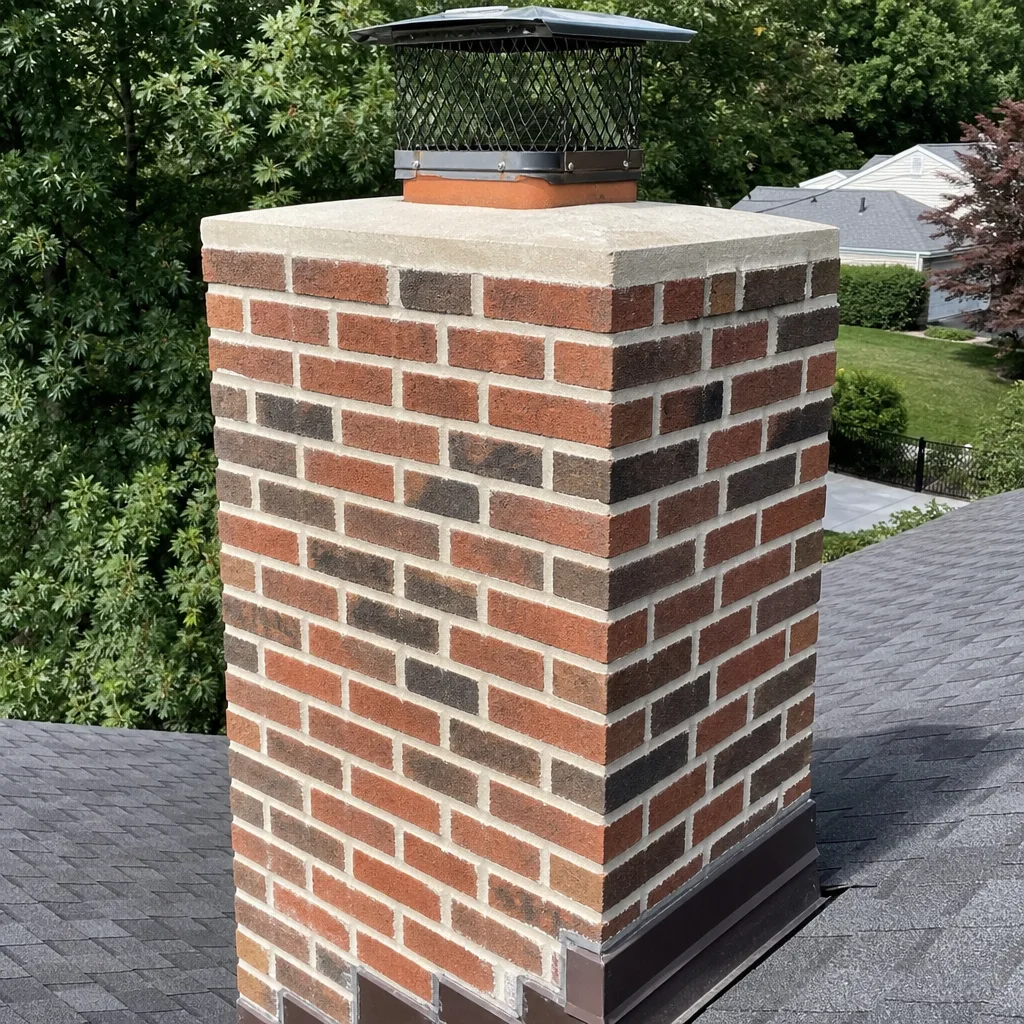 Masonry repair
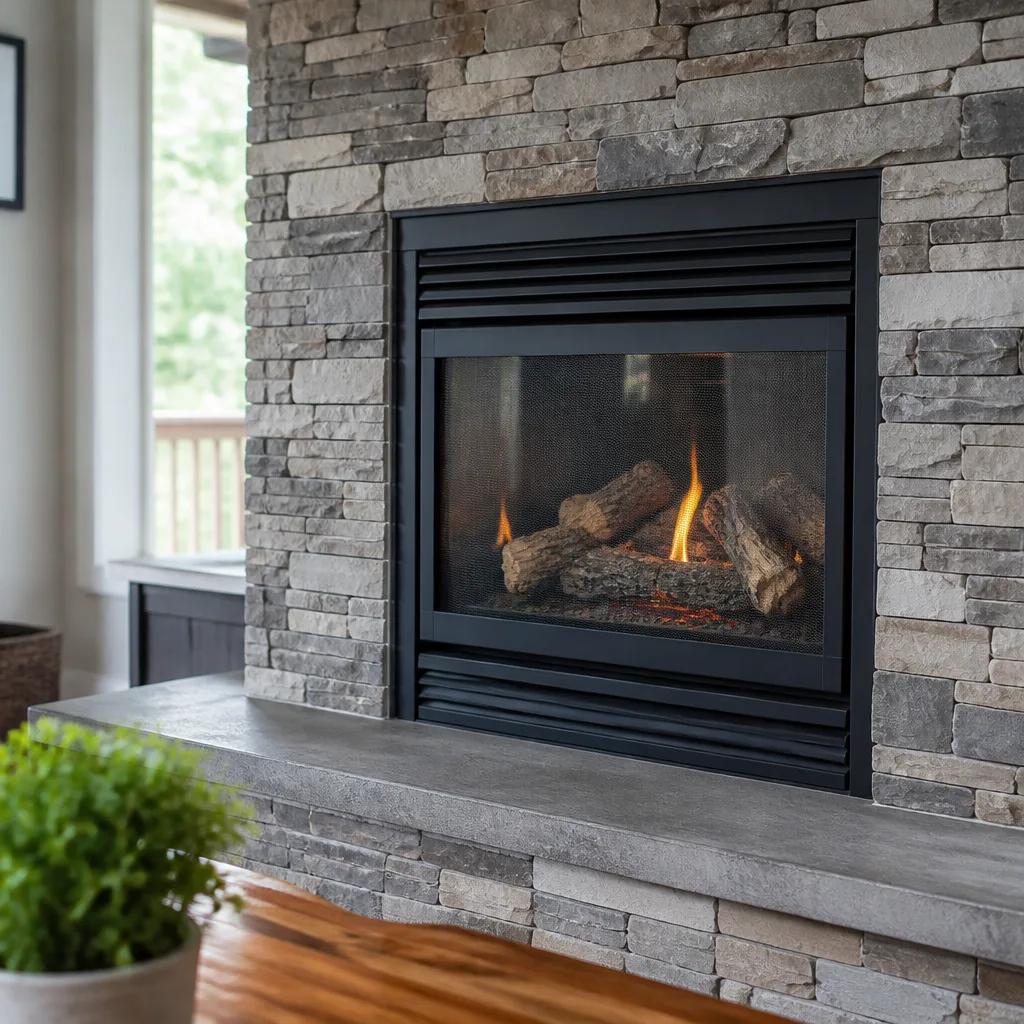 Gas fireplace service
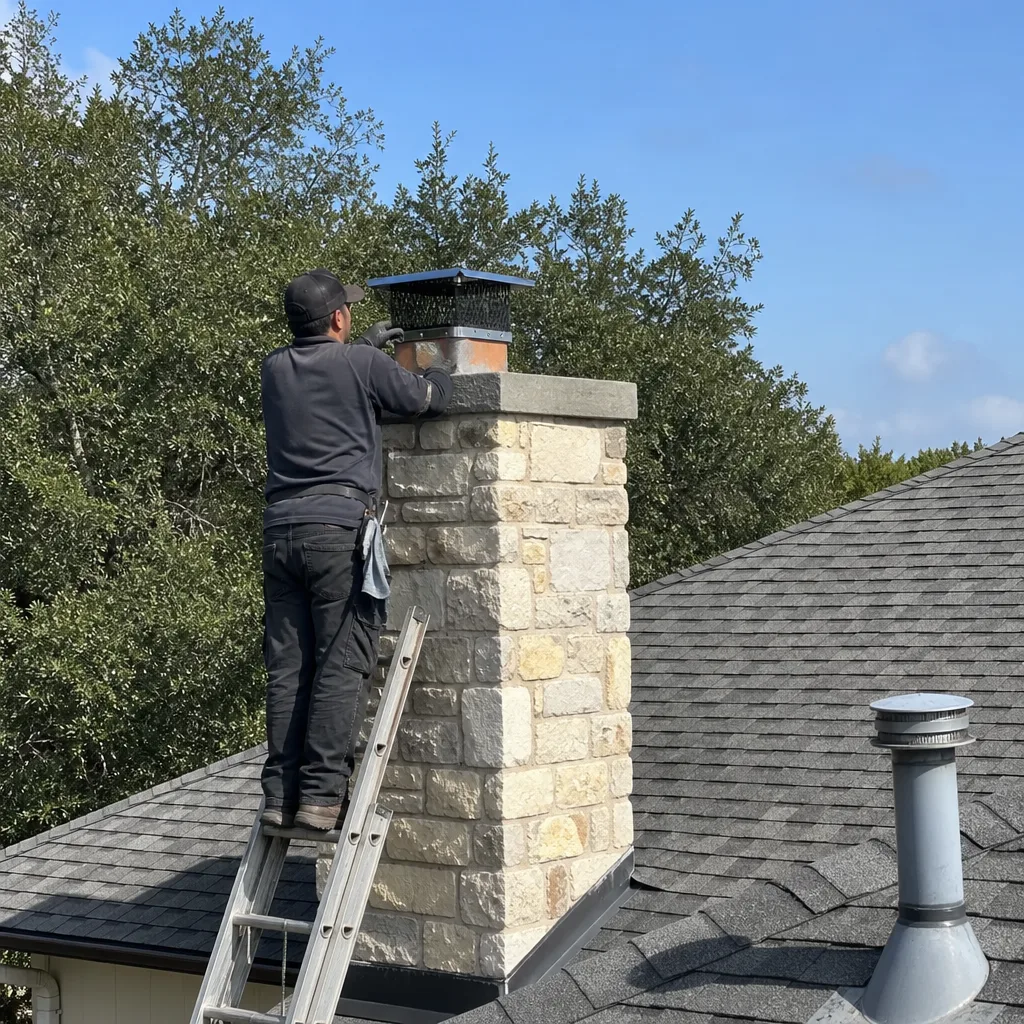
Level 1 sweep and inspection to the NFPA 211 annual standard - flue, crown, cap, and flashing checked and photographed
Chimney sweep logs do not sweep chimneys. They loosen some creosote - which then falls where a brush and vacuum still have to collect it.
The Complete Guide to Chimney Cleaning in Austin
Most Austin homeowners burn fewer than 15 fires a year and assume that means their chimney is fine. It isn’t. Low-use fireplaces develop a specific kind of glazed creosote that’s harder to remove than the deposits found in heavy-use chimneys up north. Austin’s mild winters encourage occasional, low-temperature burns that starve the fire of oxygen, and the incomplete combustion that follows leaves behind a shiny, tar-like residue that a quick sweep alone often won’t budge. This guide explains what actually accumulates inside a Central Texas flue, how quickly it forms, what a professional cleaning really involves from first brush stroke to final inspection, and what it should cost in the Austin market. For seasonal chimney cleaning care for Austin homeowners, see our year-round maintenance guide. You’ll learn what a Level 1 versus Level 2 inspection means in plain terms, how cedar and live oak affect buildup rates, and what paperwork you should hold in your hand when the job is done.
Quick Answer
Chimney cleaning in Austin typically costs between $199 and $329 for a standard sweep and visual inspection, and most jobs take 45 to 90 minutes. A professional cleaning removes creosote, soot, and debris from the flue liner, smoke chamber, damper, and firebox using brushes sized to your flue. Because Austin’s sporadic burn patterns create hard, glazed creosote deposits, homeowners here should expect a chemical treatment or rotary cleaning about 30% of the time rather than a basic brush-only sweep.
Styles & brands we work with
Table of Contents
- What Actually Accumulates in an Austin Chimney
- Why Austin’s Climate Creates a Different Kind of Creosote
- How a Professional Chimney Cleaning Works, Step by Step
- Level 1 vs Level 2 Inspections: What They Mean and When You Need Each
- How Austin Firewood Choices Affect Creosote Buildup
- What a Finished Job Should Look Like: Paperwork, Photos, and Guarantees
- What Chimney Cleaning Costs in Austin: A Line-Item Breakdown
What Actually Accumulates in an Austin Chimney
Every fire produces byproducts. The three that matter in a chimney are soot, creosote, and debris. Soot is fine black powder, mostly carbon, that coats the flue walls after a single fire. It’s easy to brush out. Creosote is a different animal. When wood smoke cools before it exits the flue, the unburned gases condense into a sticky, tar-based substance that hardens as it cools. Over multiple fires, creosote builds in layers: first as fluffy gray ash, then as black granules, then as hard, shiny glaze. Debris is the wildcard: leaves, twigs, bird nests, squirrels, dead insects, and in Austin specifically, cedar bark and oak pollen that blow into an uncapped flue year-round.
The flue liner (the clay or steel tube that vents combustion gases out of your home) is where most creosote accumulates because that’s where gases cool fastest. In a typical Austin home with a two-story flue, the top third of the liner runs through an unheated attic chase, and the temperature drop there causes condensation. We’re pulling creosote off the upper flue liner in houses that have burned maybe ten fires since the last cleaning, and it’s genuinely stuck on there. The smoke chamber, the area above the firebox where smoke funnels into the flue, collects soot and fine creosote because it narrows and accelerates the gases. The damper, usually a cast iron plate just above the firebox, rusts and jams without regular cleaning because creosote is acidic.
Why Austin’s Climate Creates a Different Kind of Creosote
Up north, people burn hot fires every day from October through March. The flue stays warm. Smoke exits fast, and creosote that does form tends to be dry and flaky, the kind that brushes off with moderate effort. Austin burn patterns are the opposite. A homeowner fires up the fireplace on a 42-degree November night, burns a couple of logs at low flame with the damper cracked, and doesn’t light another fire until January. The flue never reaches sustained high temperature. Every burn produces smoke that cools mid-flue and condenses, then the residue sits for weeks and hardens. That cycle repeats half a dozen times a season.
The result is stage-2 glazed creosote: a dense, tar-like coating that looks like black glass and resists a standard wire brush. It forms faster in Austin than most homeowners expect. We’ve inspected flues that had enough glazed creosote to be a genuine fire hazard after fewer than ten fires. The reason is the feast and famine cycle. Long gaps between burns let soft creosote oxidize and polymerize into a hard shell, and the next fire bakes it on further. Up north, daily burns keep the deposits softer and flakier. In central Texas, infrequent burning produces a more dangerous and more stubborn residue than regular use.
Austin’s humidity plays a role too. Creosote absorbs moisture, which makes it glue itself to clay tile liners with surprising tenacity. When a tech from Ashby Chimney Austin runs a brush up a humid, glazed flue, the brush sometimes slides right over the top of it. That’s when a rotary clean with poly lines or a chemical treatment like Gelco spreads and dissolves the tar so it can be scraped away. This isn’t an upsell. It’s the difference between a flue that’s actually clean and one that just got brushed over.
How a Professional Chimney Cleaning Works, Step by Step
A proper chimney cleaning follows a specific order, and each step has a reason. Here’s the sequence as we run it at Ashby Chimney Austin, from prep to final check.
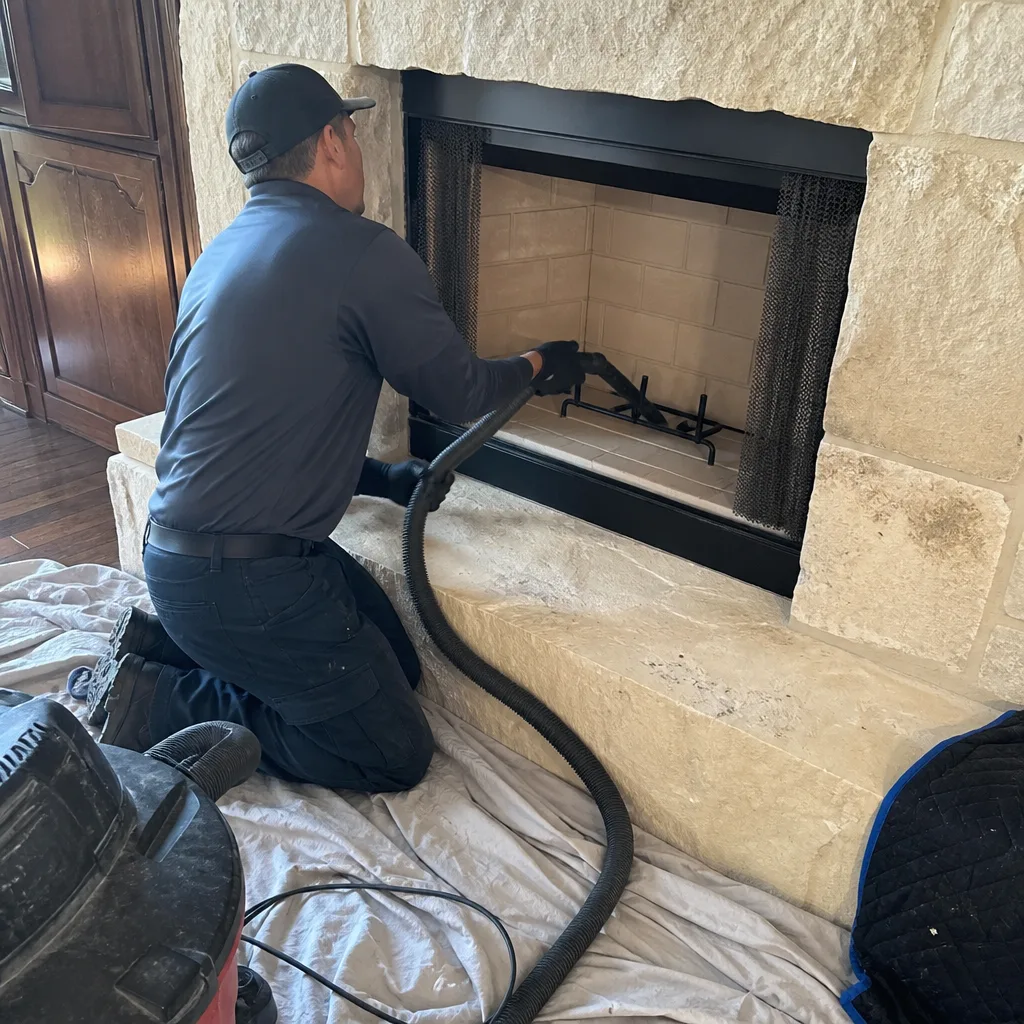
- Floor and hearth protection. Drop cloths go down before anything else. A good sweep leaves the room cleaner than they found it. If a company skips this step, that tells you something about the rest of the job.
- Damper inspection and positioning. The tech checks the damper plate for rust, warping, and creosote buildup at the pivot points, then opens or removes it as needed. A seized damper is one of the most common findings in Austin fireplaces because acid in creosote corrodes the cast iron.
- Flue brushing. A wire brush sized to the flue diameter is run from the top down or bottom up. The brush loosens soot and stage-1 creosote. In Austin, where glazed creosote is common, the tech may switch to a rotary brush with poly or steel lines that actually scrubs the hard deposits off the liner rather than sliding over them.
- Chemical treatment (when needed). If glaze remains after brushing, a product like Gelco is sprayed on. It sits for 15 to 20 minutes, breaks down the tar bond, and then the flue is scrubbed again. This step converts a would-be failed cleaning into a real one.
- Smoke chamber cleaning. The chamber above the firebox is brushed by hand with a smaller brush or scraped with specialized tools. This area is often missed by quick-sweep companies because it requires reaching through the damper opening. Skipping it leaves a soft-soot reservoir that re-coats the flue within a few burns.
- Firebox cleaning. Ash, unburned wood, and debris are removed from the fireplace floor. The firebox walls are also brushed. This keeps the acidic ash from eating at the firebrick mortar.
- Vacuuming and final sweep. A HEPA-filtered vacuum pulls out the loose soot and debris. The tech wipes down the hearth, removes the drop cloths, and leaves the room as they found it.
- Visual inspection and report. The tech looks up the flue with a flashlight, checks the exterior crown and cap, and gives you a verbal summary plus written documentation of what was done and anything that needs attention.
Some companies in the Austin market do a 20-minute brush-through and call it done. That does not include the smoke chamber, the damper, or any chemical treatment for glazed creosote. The order here matters because each step exposes the next area to work on. A tech who skips the smoke chamber hasn’t really cleaned your chimney; they’ve cleaned your flue and left the second-largest creosote reservoir untouched.
Level 1 vs Level 2 Inspections: What They Mean and When You Need Each
The National Fire Protection Association defines three inspection levels for chimneys. In plain language, here’s how they apply to the homes we see in Austin, from Allandale to Circle C.
Level 1 inspection is the one included with a standard chimney sweep. The tech inspects the readily accessible parts of the flue and appliance: the firebox, damper, smoke chamber, and flue interior as far as can be seen with a flashlight. There’s no camera, no climbing onto the roof beyond a basic exterior visual. A Level 1 is appropriate when you’re maintaining a chimney in the same condition, same fuel, and same usage as before. For most Austin homeowners who burn less than a cord a year, a Level 1 once a year meets the standard of care.
Level 2 inspection is a deeper look using a camera system that runs the full length of the flue liner, plus access to the attic, crawlspace, and roof where the chimney passes through the house. You need a Level 2 when you’ve had a chimney fire you know about, when you’re buying or selling the home, when there’s been an earthquake or severe weather event that could have shifted the chimney, or when you’re changing fuels, like converting a wood fireplace to gas logs. In Austin, the real estate market triggers more Level 2 inspections than anything else. A home inspection flags the chimney, the buyer demands a Level 2, and we camera the flue and find cracks, gaps, or missing mortar joints that the home inspector could never have seen.
If you’re unsure, call and describe your situation. A Chimney Inspection in Austin explains the service in more detail, but the honest answer is most Austin homeowners only need Level 2 once every five years or when something changes about the house or use.
How Austin Firewood Choices Affect Creosote Buildup
Austin burns two woods more than any others: cedar and live oak. Both are locally abundant. Both behave very differently in a fireplace.
Live oak is a dense, high-BTU hardwood. It burns hot and long when properly seasoned. The catch is that it takes 18 to 24 months to season correctly, and half the live oak sold on the side of the road in Travis County is still green. Burning wet wood drops the fire temperature sharply. The cooler the burn, the more smoke cools in the flue, and the more creosote condenses on the liner. Properly seasoned live oak, on the other hand, is one of the best firewoods available in Texas. It produces dense coals, high heat, and relatively little creosote for its burn time.
Cedar is a softwood that lights fast and burns hot but fast and short. It’s popular for kindling and for quick fires on a cold Austin evening. The problem with cedar is resin. Cedar contains volatile oils that vaporize during burning, and those oils contribute to the tarry creosote that glazes onto flue walls. A steady diet of cedar fires produces more stage-2 creosote per unit of heat than oak. Cedar also pops and throws sparks, which is why screens and caps matter.
In our experience, the Austin homeowner who burns a mix of 70% seasoned oak and 30% cedar for kindling and quick fires has a dramatically lower creosote burden than the neighbor who burns a pile of fresh cedar every time. The fuel you choose has a direct, measurable effect on how often your chimney needs professional attention. And if you’re buying firewood in Austin, buy it a year ahead, stack it off the ground with good airflow, and test it with a moisture meter before burning. Wood above 20% moisture is doing more harm than good.
What a Finished Job Should Look Like: Paperwork, Photos, and Guarantees
When the technician is done, you should have more than a clean chimney. You should have a clean room, a clear explanation, and documentation you can file away. Here’s what a complete chimney cleaning visit from a reputable Austin company includes, and what you should accept as the bare minimum.
- The room should be clean. No soot on the hearth, no dust on the mantel, no marks from ladder or tool handling. The drop cloths go up before the work starts, and the room looks the same when they come down.
- A written service report. It states what was done, what was found, the condition of the flue liner and damper, and any recommendations for follow-up work. If the tech recommends a repair, the report should say exactly what and why.
- Photos of the flue. If the company runs a camera during a Level 2 inspection, you should receive still images or a short video showing the condition of the liner before and after cleaning. If a repair is recommended, the photos should show the defect. A company that recommends a liner replacement without camera evidence is guessing, and you shouldn’t pay for a guess.
- The written guarantee. Every repair Ashby Chimney Austin performs carries a written guarantee under the Kingswell Guarantee. If a covered repair fails during the guarantee period, we return and correct it at no charge. This is the 365-Day Done Right Promise, and it’s included with every job, not sold as an add-on.
- The price should match what you were quoted. The number on the invoice should be the number you heard before the work started. No fuel surcharges, no disposal fees, no “while we were in there” additions. At Ashby, every job in Austin gets a written price before any work begins.
The Kingswell Way is the standard we hold ourselves to: say the price, show up in the window, leave it cleaner, put the guarantee in writing, come back if it fails. If a chimney company in Austin can’t show you a written price before the first brush goes up the flue, find a different company.
What Chimney Cleaning Costs in Austin: A Line-Item Breakdown
Chimney cleaning prices in Austin vary by company size, overhead, and what’s actually included. Here’s a realistic range based on current Travis County market rates.
- Standard sweep with visual inspection: $199 to $329
- Sweep with glazed creosote chemical treatment (Gelco or equivalent): $249 to $399
- Level 2 camera inspection (standalone): $199 to $399
- Level 2 inspection added to a sweep: $100 to $200 additional
- Chimney cap replacement: $149 to $449 depending on material and flue size
- Damper replacement or repair: $150 to $500
- Flue liner repair or resurfacing (HeatShield or equivalent): $1,800 to $4,500 depending on flue height and condition
These are market ranges, not quotes. Your exact price depends on flue height, creosote stage, accessibility, and whether the appliance shows signs of distress. Before any work starts in your Austin home, Ashby puts the exact number in writing. If your chimney needs more than a sweep, you should expect to see camera photos that prove it before you spend a dollar. A company that offers a $99 sweep and then “finds” $3,000 worth of problems during the job is a company using a loss leader and a scare script. A written price before work starts eliminates that play entirely.
If you’re noticing any of the warning signs described in this guide, or you simply can’t remember the last time your flue was swept, the place to start is a Chimney Sweep in Austin that includes a visual inspection with the cleaning.
Common Mistakes to Avoid
- Burning green wood to save money. Austin roadsides are full of half-seasoned oak and fresh cedar at tempting prices. Burning it produces low-temperature fires that coat your flue with glazed creosote that costs more to remove than the firewood ever saved.
- Using creosote-sweeping logs as a substitute for a professional sweep. Those logs loosen soft soot but do almost nothing for the stage-2 glazed creosote that Austin’s infrequent burn patterns produce. They’re a supplement, not a service.
- Hiring the cheapest bid without checking what it includes. A $99 Austin sweep usually covers the flue brush only. The smoke chamber, damper, and firebox go untouched, and the price mysteriously rises once the tech is in the room.
- Skipping annual inspection because the fireplace “never gets used.” An unused chimney still gets water damage, animal intrusion, and structural deterioration. In Austin, squirrels and grackles move into uncapped flues with remarkable speed.
- Accepting a repair recommendation without camera evidence. No camera, no photos, no proof. Any chimney company recommending liner or masonry work in Austin should be able to show you exactly what they saw.
- Converting to gas logs without having the chimney swept first. Gas burns cleaner at the appliance but the old wood creosote remains in the flue, and heat from the gas fire can harden or ignite it. Sweep before the gas conversion.
- Waiting until fall to schedule. Austin chimney companies book out weeks ahead in September and October as people prep for the first cold snap. Schedule in spring or summer and you’ll get the date you want.
See the difference
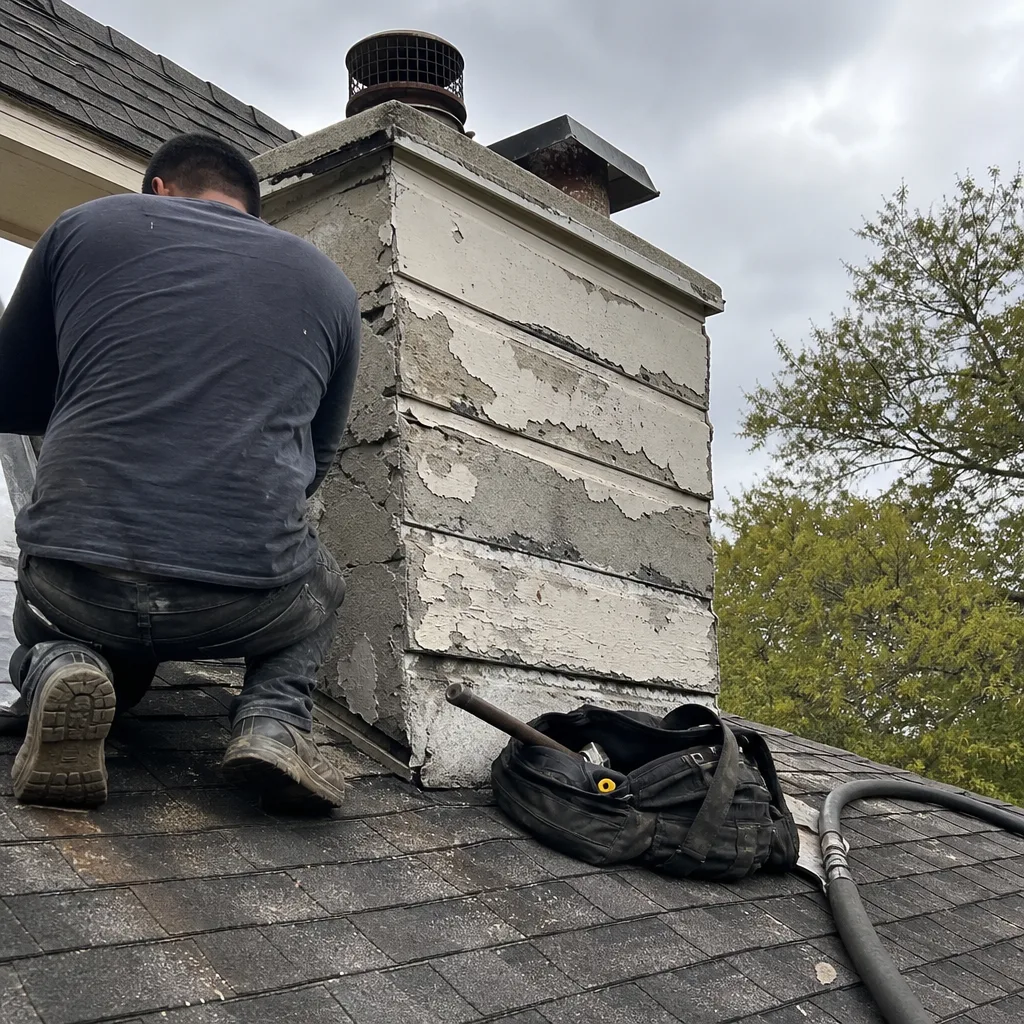 Before
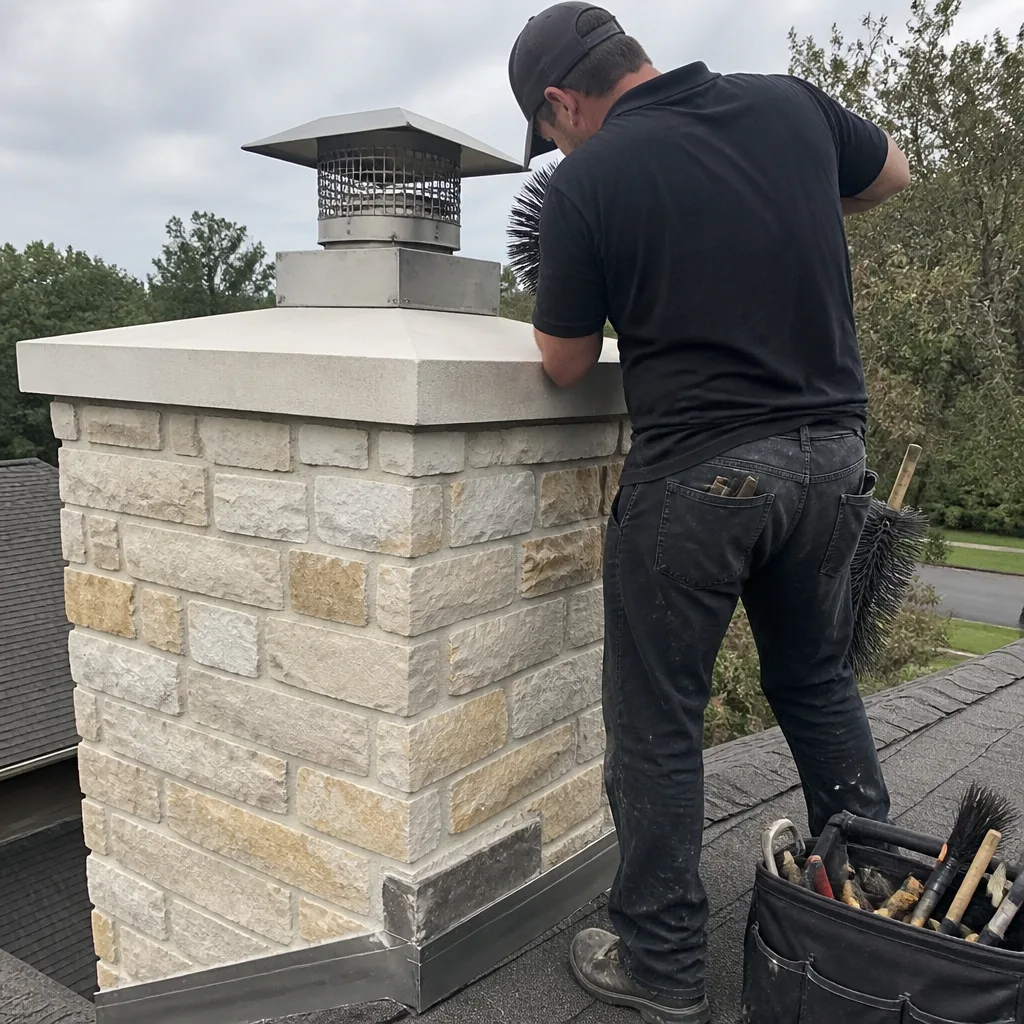 After
After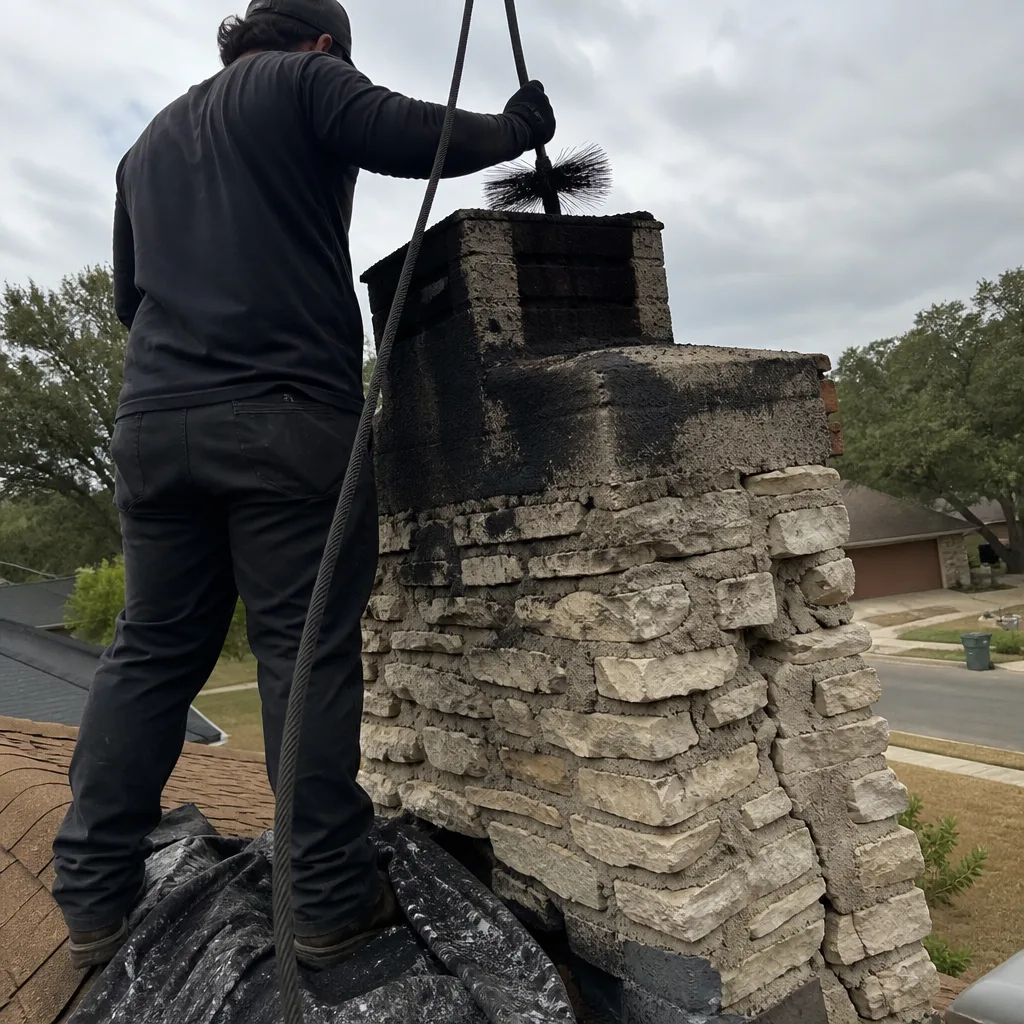 Before
 After
After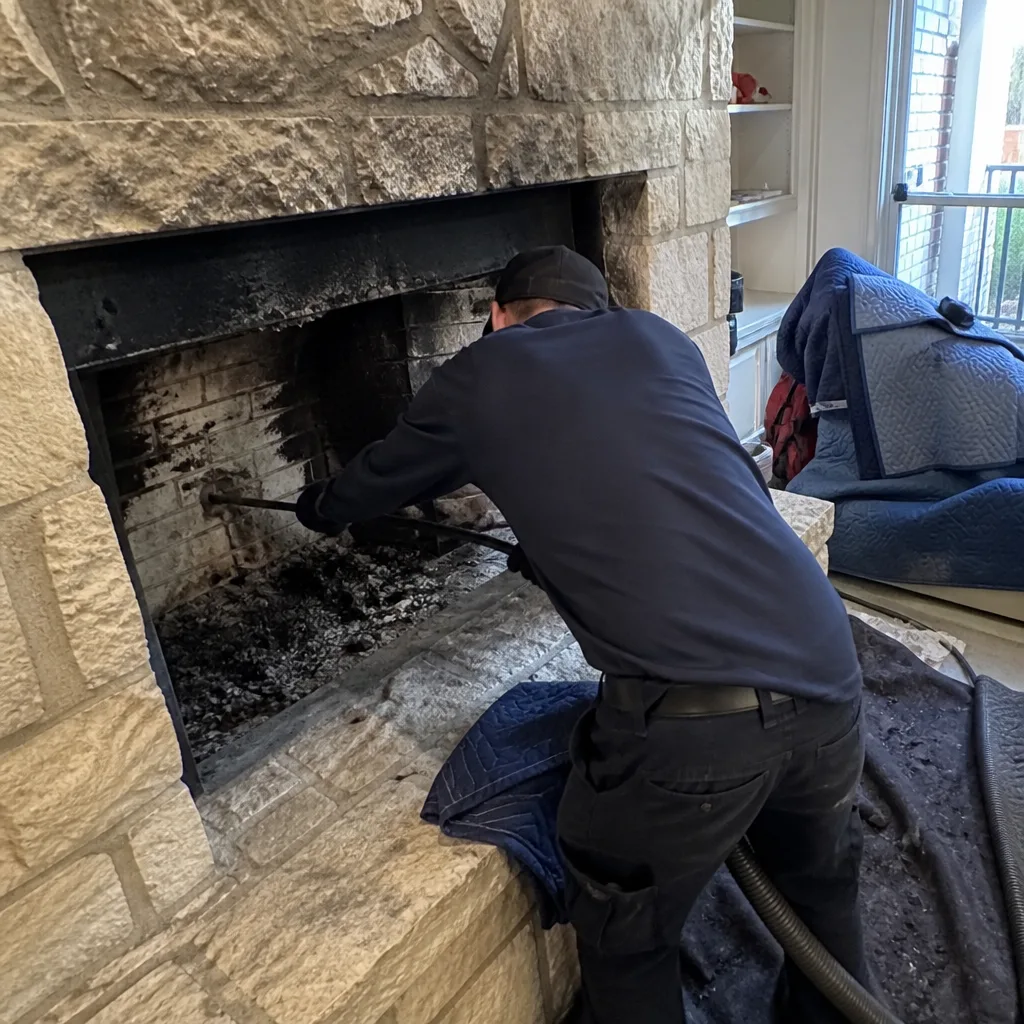 Before
 After
AfterWhen to Call a Professional
Call a chimney professional if you see black, shiny buildup inside your flue that a flashlight can’t scratch through, if you smell a musty or smoky odor from the fireplace when it’s not in use, if the damper won’t open or close, if you see water staining on the ceiling near the chimney, or if animals have left debris in the firebox. Any sign of a past chimney fire, like warped metal or cracked tiles, also warrants immediate attention. If your home inspector flagged the chimney during an Austin real estate transaction, don’t let it ride. Ashby Chimney Austin offers free estimates in Austin. Call (254) 274-4486.
Frequently Asked Questions
Once per year, even if you only burn a fire or two each season, because Austin’s infrequent burn pattern produces glazed creosote faster than regular use in colder climates. The annual sweep also catches water damage, animal intrusion, and damper issues before they compound. For an exact recommendation based on your usage, call (254) 274-4486.
A standard sweep and visual inspection in Austin runs $199 to $329, with glazed creosote chemical treatment adding $50 to $100 when it’s needed. Austin’s creosote pattern means chemical treatment runs about 30% of the time. Call (254) 274-4486 for a written quote before any work starts in your home.
Only if a camera inspection shows cracks, gaps, or deteriorated mortar joints in the existing liner. Austin homes built before 1990 often have clay tile liners that crack with age and thermal stress, but not every crack requires a full reline. Some qualify for resurfacing with products like HeatShield, which costs less than a full stainless replacement. Never accept a liner recommendation without seeing camera photos yourself.
Glazed creosote builds to dangerous thickness, and the next hot fire can ignite it. A chimney fire burns at over 2,000 degrees and can crack the liner, damage the chimney structure, and spread to the house. Water intrusion goes undetected too, and masonry deterioration accelerates. The $300 sweep becomes a $4,000 repair. Call (254) 274-4486 to schedule before small issues become structural problems.
A sweep removes creosote, soot, and debris from the flue, smoke chamber, damper, and firebox. An inspection evaluates the condition of the chimney system and identifies safety issues. Ashby performs a visual Level 1 inspection with every sweep. A Level 2 camera inspection goes deeper and is needed for real estate transactions and chimney fire assessments. For a Fireplace Repair in Austin, the inspection identifies the problem and the written quote covers the fix.
You can buy a brush set and run it up the flue, but you won’t have the rotary equipment or chemical treatments to remove Austin-style glazed creosote, and you won’t have a trained eye to spot liner cracks, damper corrosion, or cap damage. See our DIY vs Professional Chimney Cleaning guide for Austin homeowners for a full comparison. The safety risk of chimney fire comes from the glaze you can’t remove with consumer tools. A professional sweep in Austin costs less than a deductible and includes the inspection that catches the problems you can’t see.
The Bottom Line
Chimney cleaning in Austin is not a luxury for heavy fireplace users. It’s an annual maintenance item for anyone who burns anything at all, because the city’s infrequent burn pattern produces harder creosote than daily use up north. A proper cleaning follows a specific sequence from hearth protection to smoke chamber brush, and a proper cleaning includes a written price before work starts and a written guarantee when it’s done. Austin homeowners who burn seasoned oak, schedule sweeps in the spring, and demand camera evidence before any repair recommendation are the ones whose chimneys last. If it’s time for yours, start with the Ashby Chimney Austin home page or call (254) 274-4486 for a free estimate. We’ll give you a straight answer and a written number before anything goes up your flue.
Written by Nathan Corliss, Owner at Ashby Chimney Austin, serving Austin since 2002. Browse more guides & resources on chimney care.