
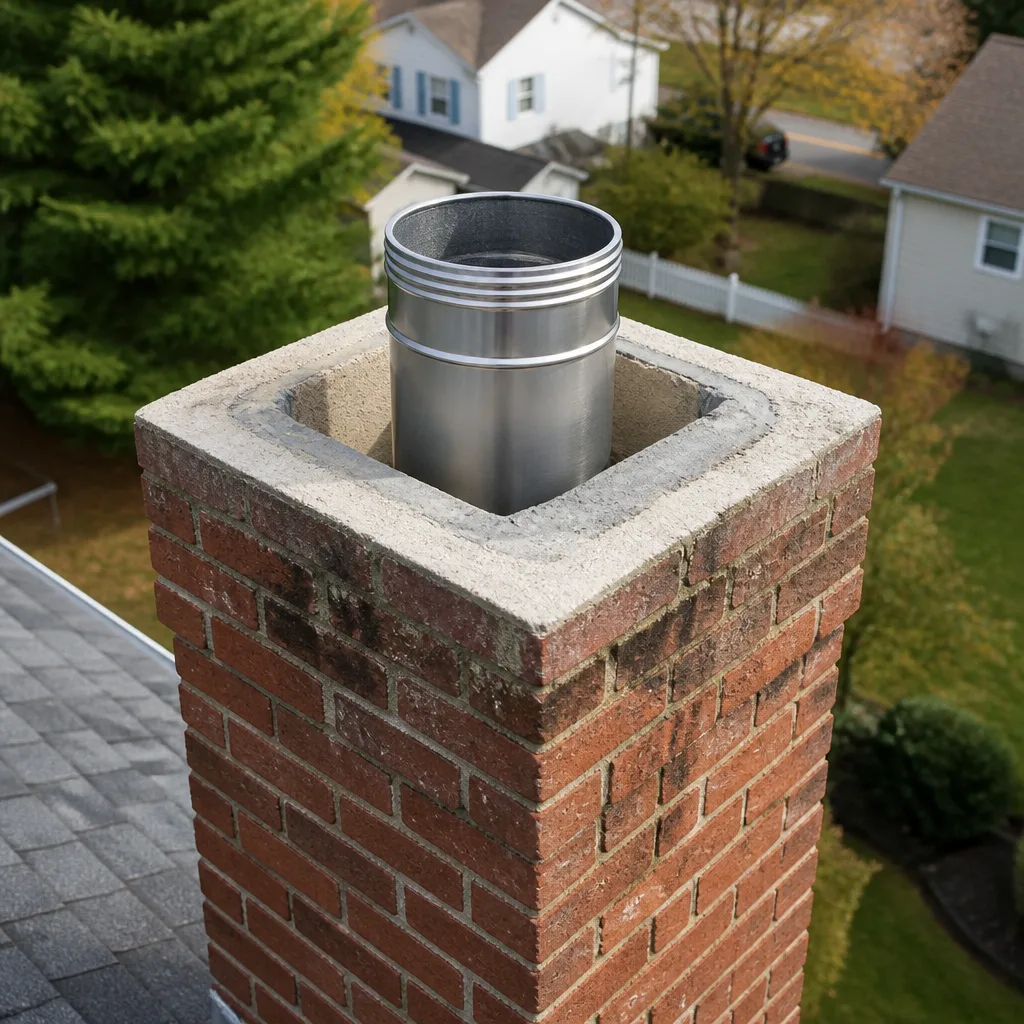
 Flue relining
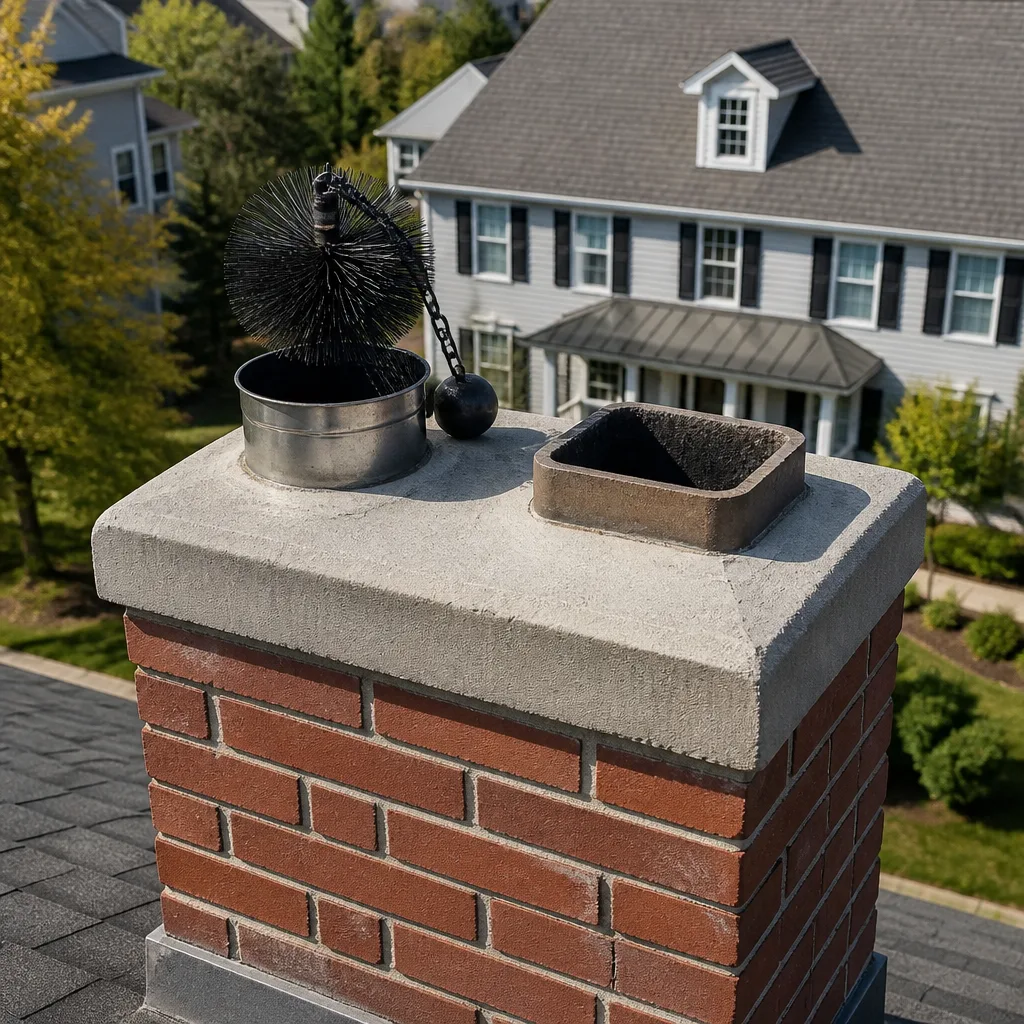 Sweep & inspection
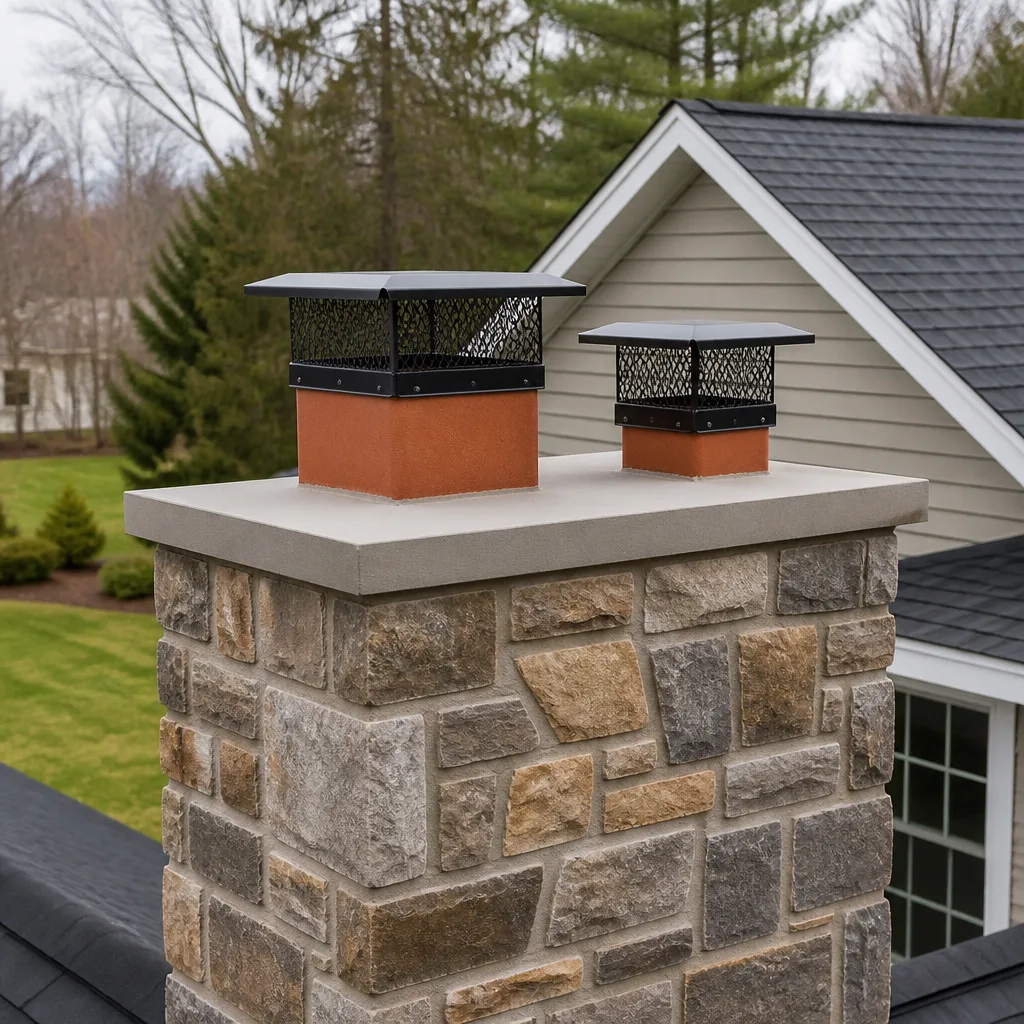 Caps & crowns
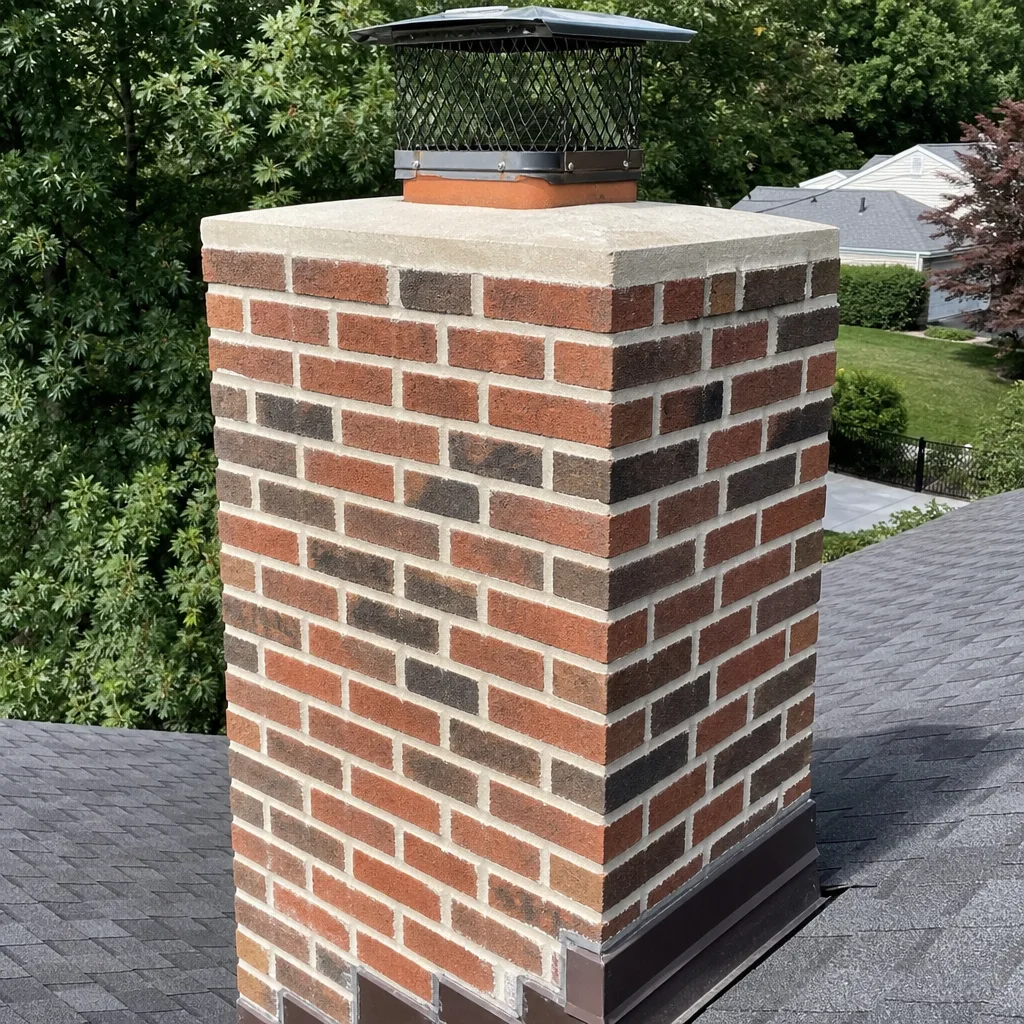 Masonry repair
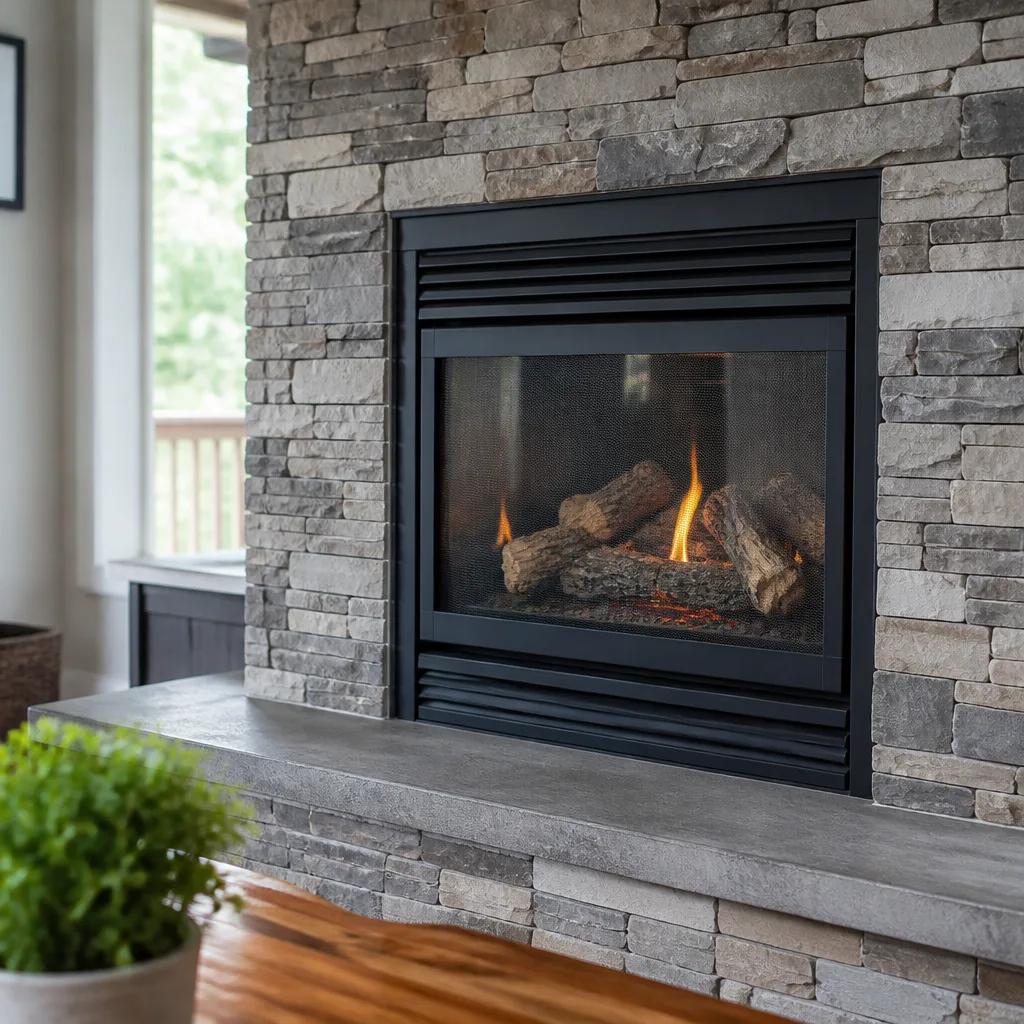 Gas fireplace service
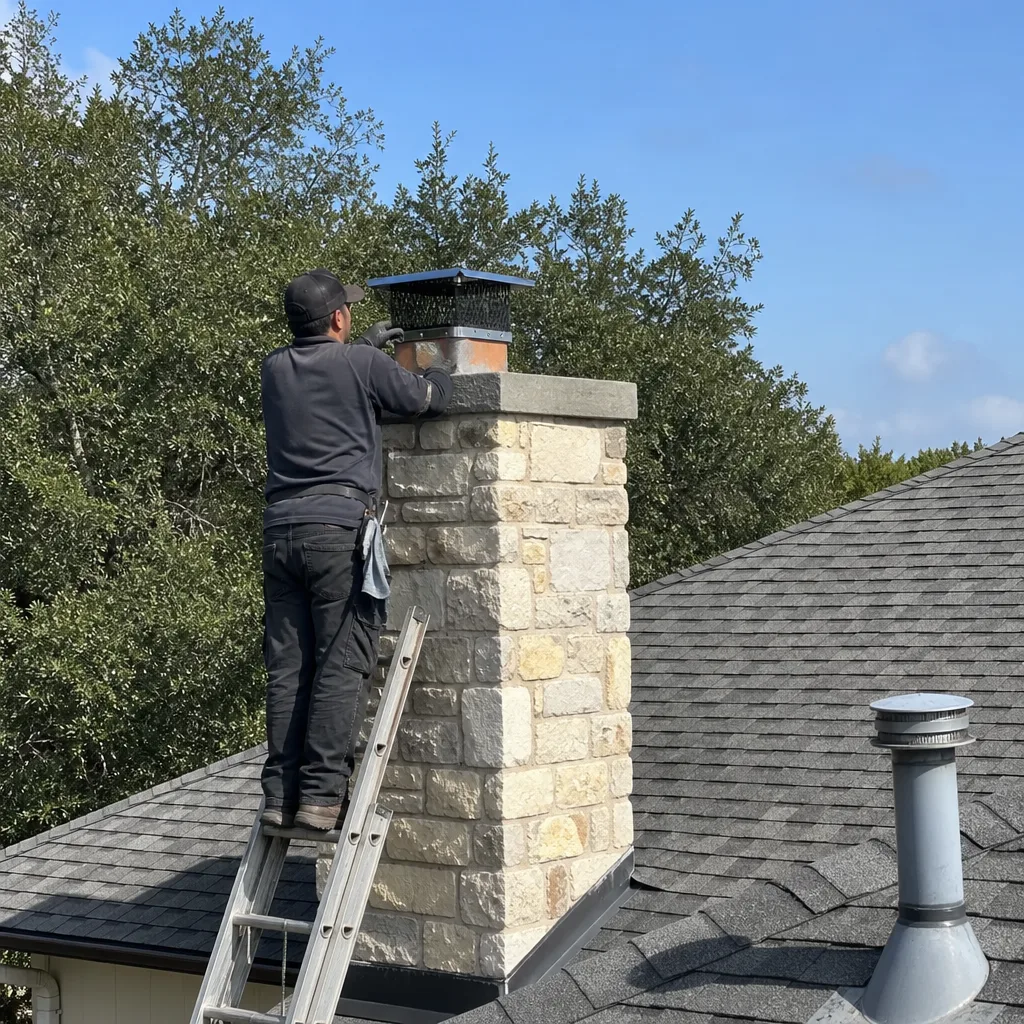
Level 1 sweep and inspection to the NFPA 211 annual standard - flue, crown, cap, and flashing checked and photographed
Chimney sweep logs do not sweep chimneys. They loosen some creosote - which then falls where a brush and vacuum still have to collect it.
Copperfield Flue Liner Replacement: The Austin Owner’s Guide
If your Copperfield flue liner has cracked, separated, or started flaking into the firebox, replacement in Austin typically runs between $2,200 and $4,800 installed, depending on the liner length, diameter, and access. We stock Copperfield-compatible stainless steel liners on our trucks and complete most replacements in a single visit. Most Austin homeowners discover the problem in one of two ways: they see sandy debris at the bottom of the fireplace, or an inspection camera shows hairline fractures running vertically through the existing liner. Either way, the fix is straightforward once you know what you’re looking at.
Which Copperfield Models This Applies To
Copperfield liners are sold in three common configurations that cover the majority of homes in Austin’s older neighborhoods, including Allandale, Crestview, and Hyde Park. The round stainless liners come in 5.5-inch, 6-inch, and 8-inch diameters, which correspond to the interior dimension of your existing clay tile flue. If you have a small wood-burning stove or a pre-2000 fireplace insert, you’re almost certainly looking at a 5.5-inch or 6-inch liner. An open-hearth masonry fireplace in a two-story house usually needs the 8-inch.
Identification is simpler than it looks. Pull the model tag, usually riveted to the liner cap at the crown, or check the paperwork from the original install. No tag? We measure the inside diameter at the top and bottom before quoting anything, because a liner that’s 5.5 inches at the cap is occasionally 6 inches four feet down, and that changes the math. Copperfield liners are 316L stainless, which is a specific alloy choice. Aftermarket equivalents in 304 stainless are cheaper but do not hold up as long against the creosote acids that build up in a wood-burning flue. For gas fireplaces, a 304 aftermarket liner is fine and costs less. We’ll tell you which one actually fits your setup, not which one has a better margin. Ashby Chimney Austin is an independent chimney service company and not affiliated with Copperfield, but we install and service their liners regularly enough to know the quirks.
Styles & brands we work with
Signs Your Copperfield Flue Liner Replacement Is Failing
- Flakes of clay or metal at the base of the firebox. Clay tile liners spall when heat cycling through Austin’s wide temperature swings, especially in uninsulated exterior chimney chases along the north side of a house. If you see chips and sandy grit, the liner is actively degrading.
- A sulfur or egg smell after rain. Water gets into the flue through a cracked crown or damaged cap, mixes with creosote, and produces that unmistakable odor. In Travis County, our spring storm cycles make this a predictable March-to-May complaint.
- Visible staining or efflorescence on the chimney exterior. White mineral deposits on the brick mean moisture is traveling through the masonry, and a compromised liner is often part of that path.
- Smoke drifting into the room instead of drawing up. This gets blamed on dampers and caps all the time, but a collapsed or separated liner section can block draft and push combustion gases where they don’t belong.
- Your sweep tells you the liner has “gaps” or “offset joints.” We see this on Copperfield liners installed in the 1990s in neighborhoods like Tarrytown, where original clay tiles develop gaps at each mortar joint and the joints start pulling apart over time.
See the difference
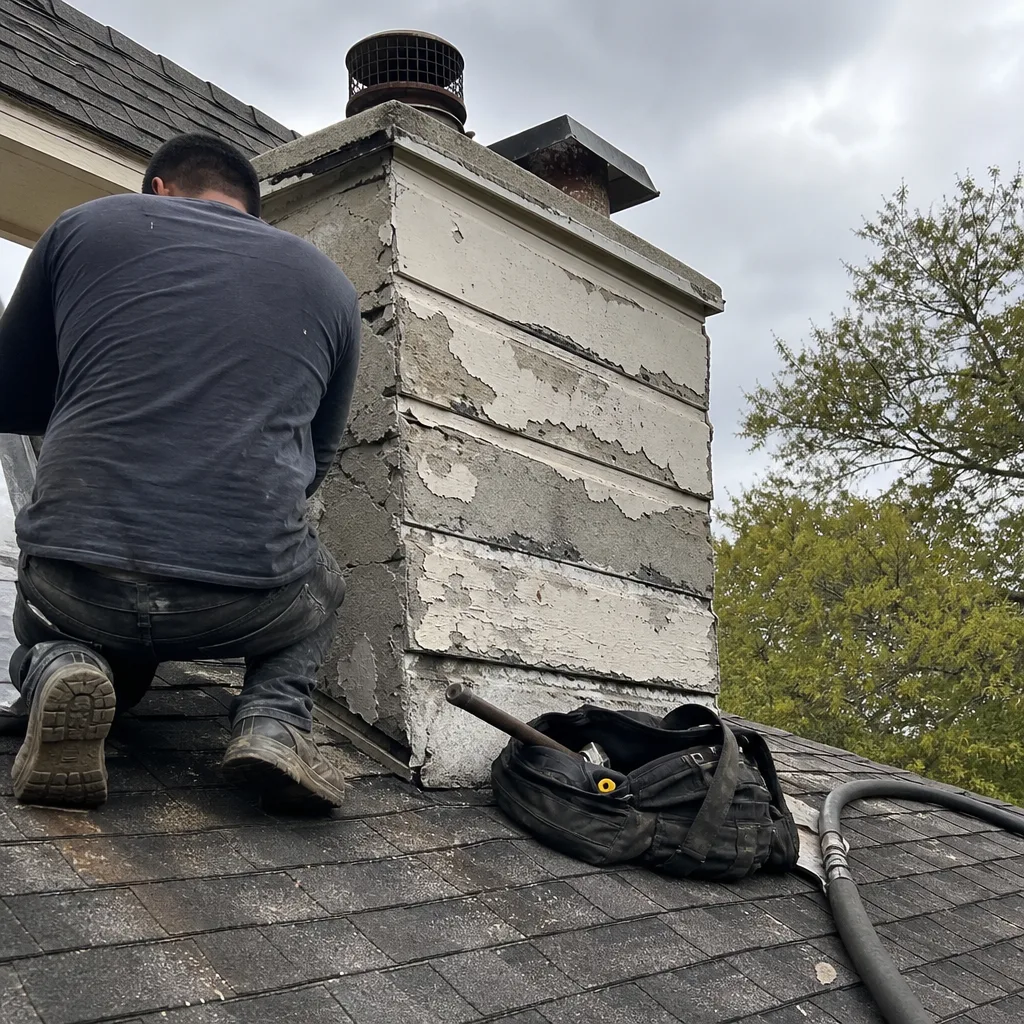 Before
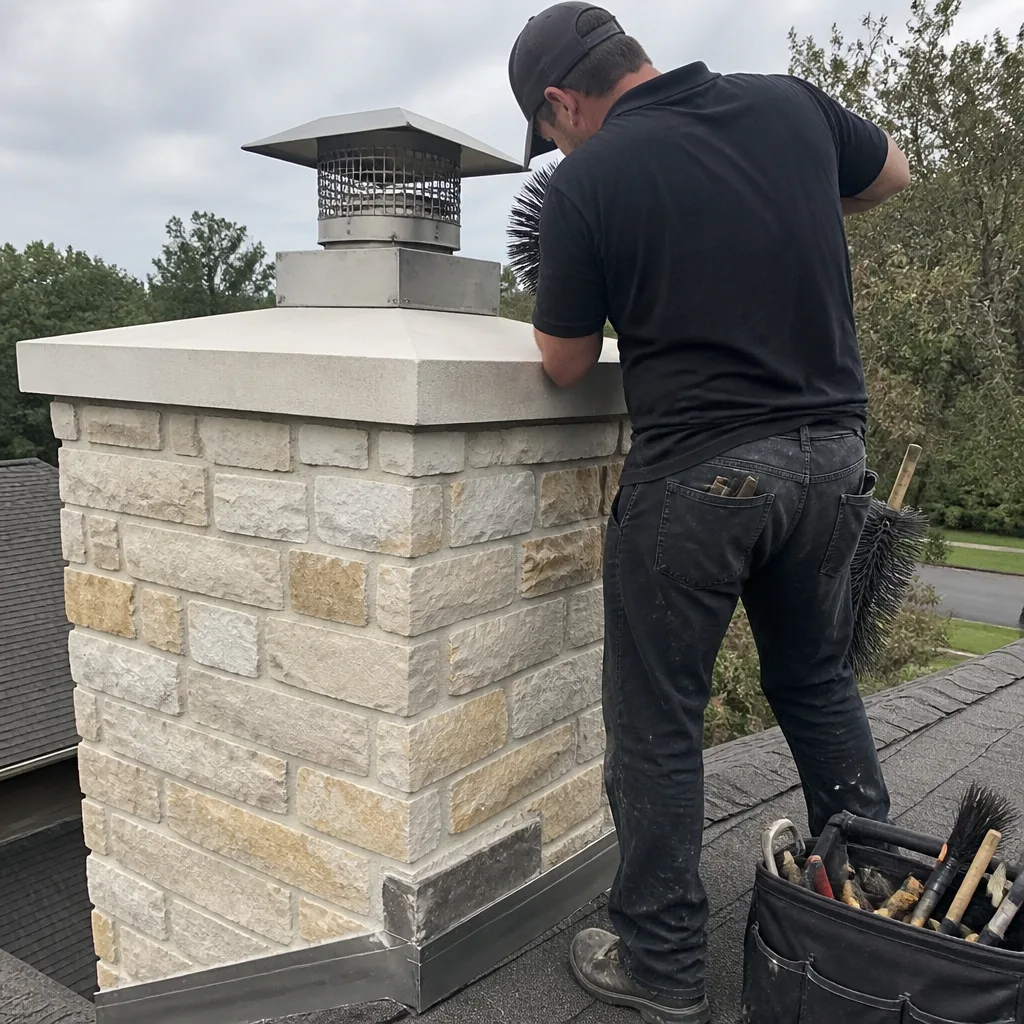 After
After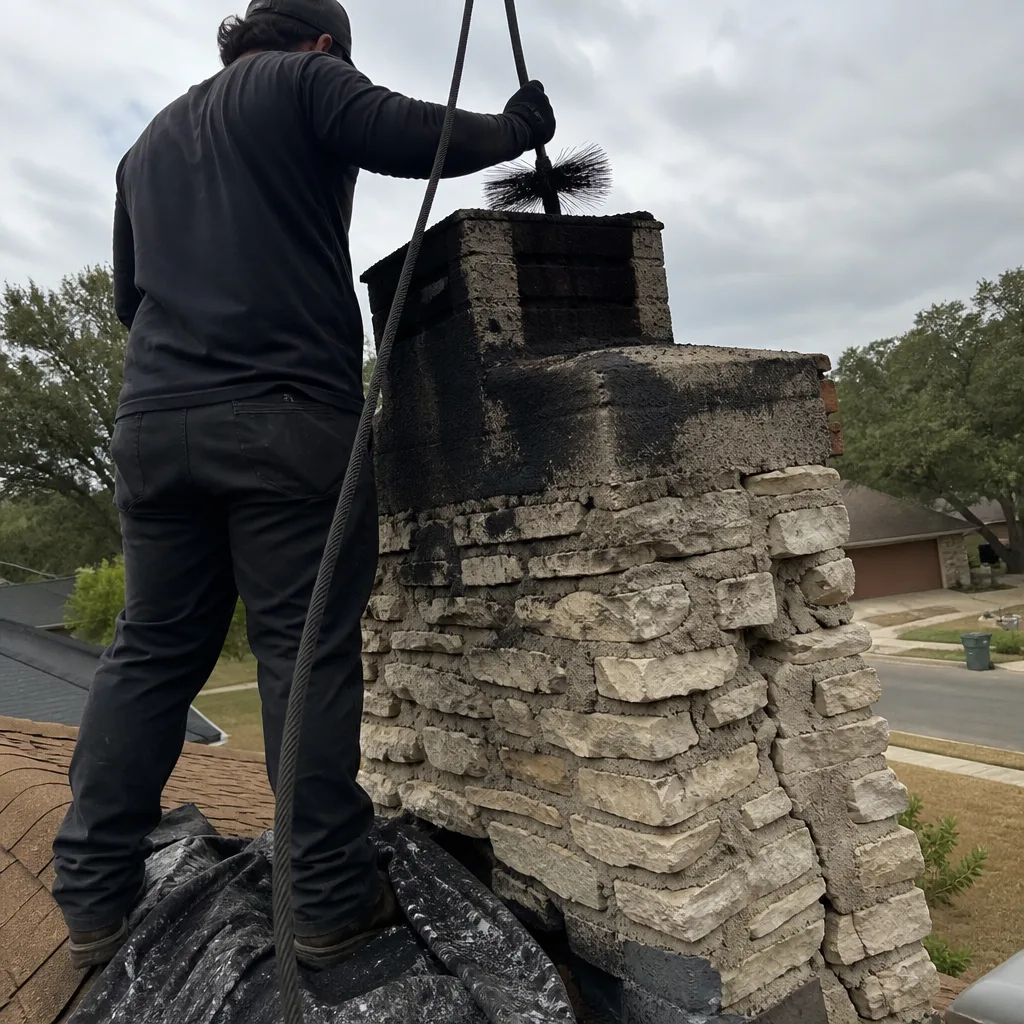 Before
 After
After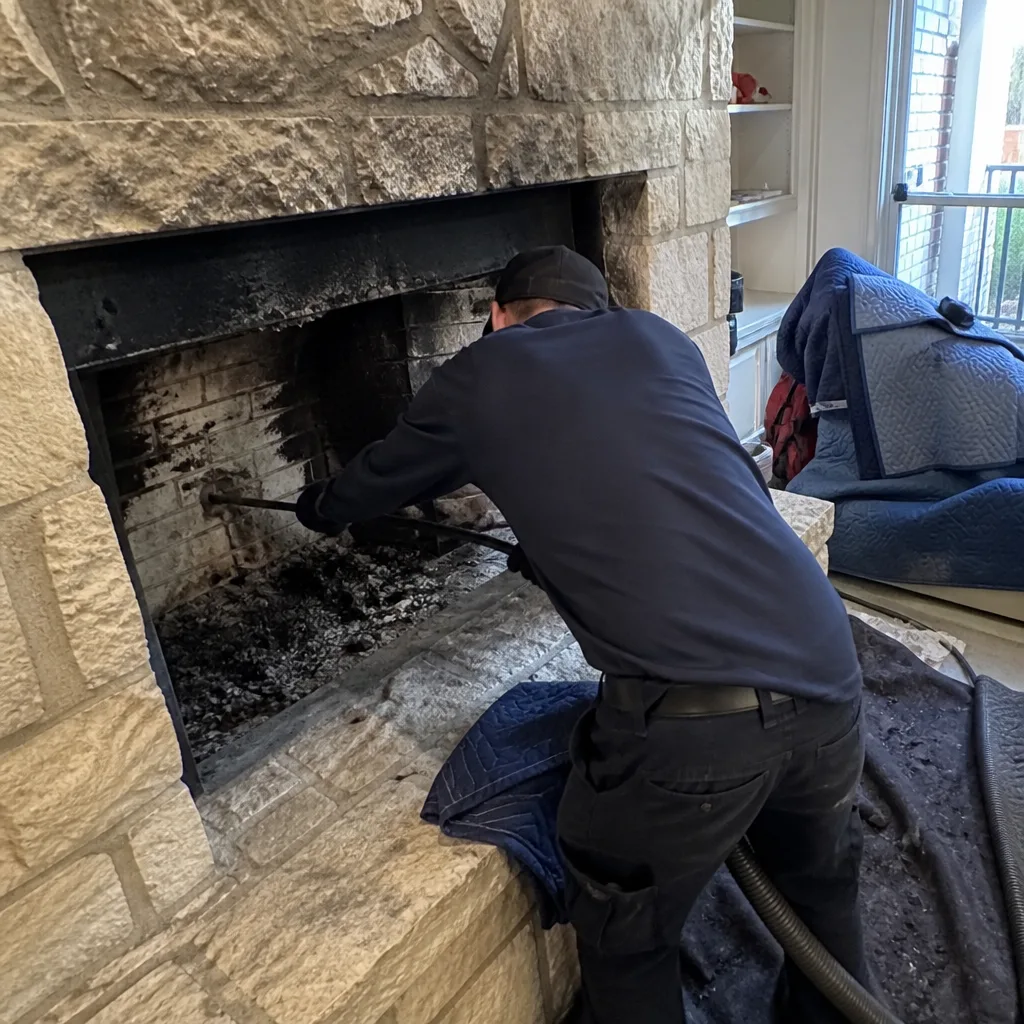 Before
 After
AfterReplacement Cost & What’s Included
In Austin, a full Copperfield-compatible stainless liner replacement runs $2,200 to $4,800 installed. The spread comes from three variables: how many stories of liner you need, whether the existing clay tiles are still structurally sound enough to leave in place or must be broken out first, and whether the chimney crown and cap need rebuilding to properly secure the liner top. A straight two-story open-hearth replacement lands around the middle of that range. A tight one-story with easy roof access comes in lower.
Every quote includes the liner itself, the top plate and rain cap, the tee body if you have an attached appliance, and the labor to remove the old material and pull the new liner. We give you a written price before any work starts, and the number on the invoice matches the number on the quote. The Kingswell Guarantee covers the replacement for one year; if the liner fails inside that window, we come back and correct it at no charge. That’s not an upsell. It’s just how we do the work.
DIY or Call Us?
You can safely inspect the accessible parts yourself: open the damper, shine a flashlight up, and look for obvious flaking or gaps between clay tile sections at the first few feet. You can also check the cap from the ground with binoculars to see if it’s rusted through or missing altogether. What you should not do is buy an unstyled liner kit online and try to break out clay tiles with a sledgehammer from the roof. Removing old tile on a two-story Austin house means working off a ladder with power tools, dust control, and a second person at the damper catching debris. Liners are heavy in a way that gets away from people fast. If the inspection shows a failing liner, have a real sweep handle the removal and install. If you’re not sure what you’re looking at, call us at (254) 274-4486 and we’ll put the camera up there, take photos, and show you exactly what we’re seeing before you spend a dollar.
FAQs
With regular sweeping and a chimney cap that actually keeps rain out, a 316L stainless liner will last 25 to 35 years in the Austin climate before it needs replacing. The exceptions we see are liners that run a wood-burning fireplace without adequate annual sweeping, where creosote buildup eats through the alloy from the inside. Gas-only liners degrade even slower, mostly from condensation rather than combustion. Call (254) 274-4486 for a camera inspection if you don’t know your liner’s age or history.
Small cracks in clay tile can sometimes be resurfaced with a product like HeatShield, which we do offer, but once the liner is spalling or separated at the joints, resurfacing buys a year or two at best, and it doesn’t restore structural integrity. For stainless steel liners, patches are rarely worth the labor cost. We’ll tell you which route makes sense after a camera inspection shows us the actual condition; if repair is viable we’ll say so plainly.
Most Copperfield liner replacements in Austin are done in one day, usually six to eight hours from setup to cleanup. The variable is tile removal. If your old clay tiles come out cleanly, it’s fast. If they’re baked in or the flue has awkward offsets, we’re there longer, and the written quote reflects that before we start.
Yes. Our trucks carry 5.5-inch, 6-inch, and 8-inch stainless liners, along with tee bodies, top plates, and caps from Copperfield, DuraFlex, HeatShield, and Gelco. If your liner diameter is an odd size we’ll order it and schedule the install once it arrives, but the common Austin sizes are on hand now. You won’t wait six weeks for a part to ship from a warehouse.
If you have a Copperfield fireplace or wood stove and suspect the flue liner is done, call (254) 274-4486 for a free estimate. Nathan Corliss and the crew at Ashby Chimney Austin will put a camera up the flue, show you what we see, and give you a written price before we unload a single tool. That’s the whole approach: say the price first, explain the work, put the promise in writing.
Written by Nathan Corliss, Owner, Ashby Chimney Austin at Ashby Chimney Austin, serving Austin and nearby areas.