
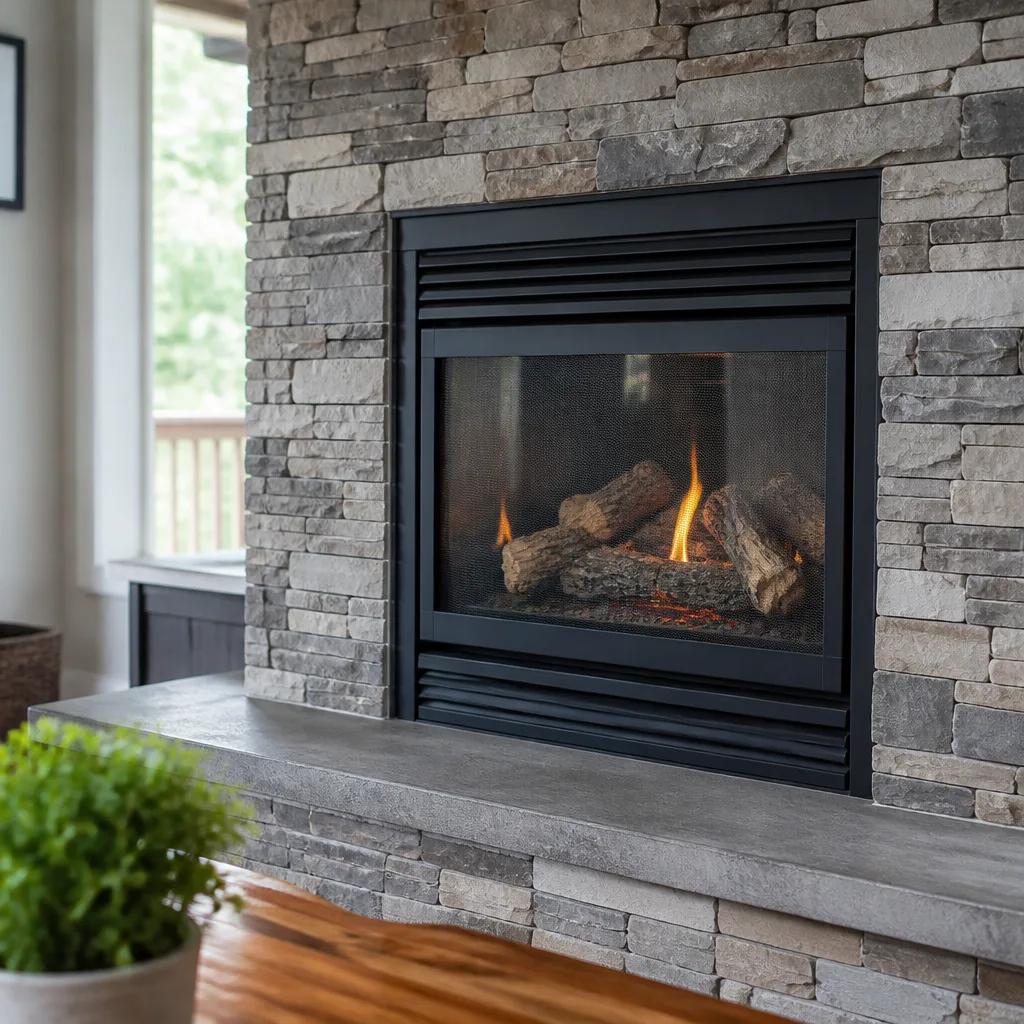
 Gas fireplace service
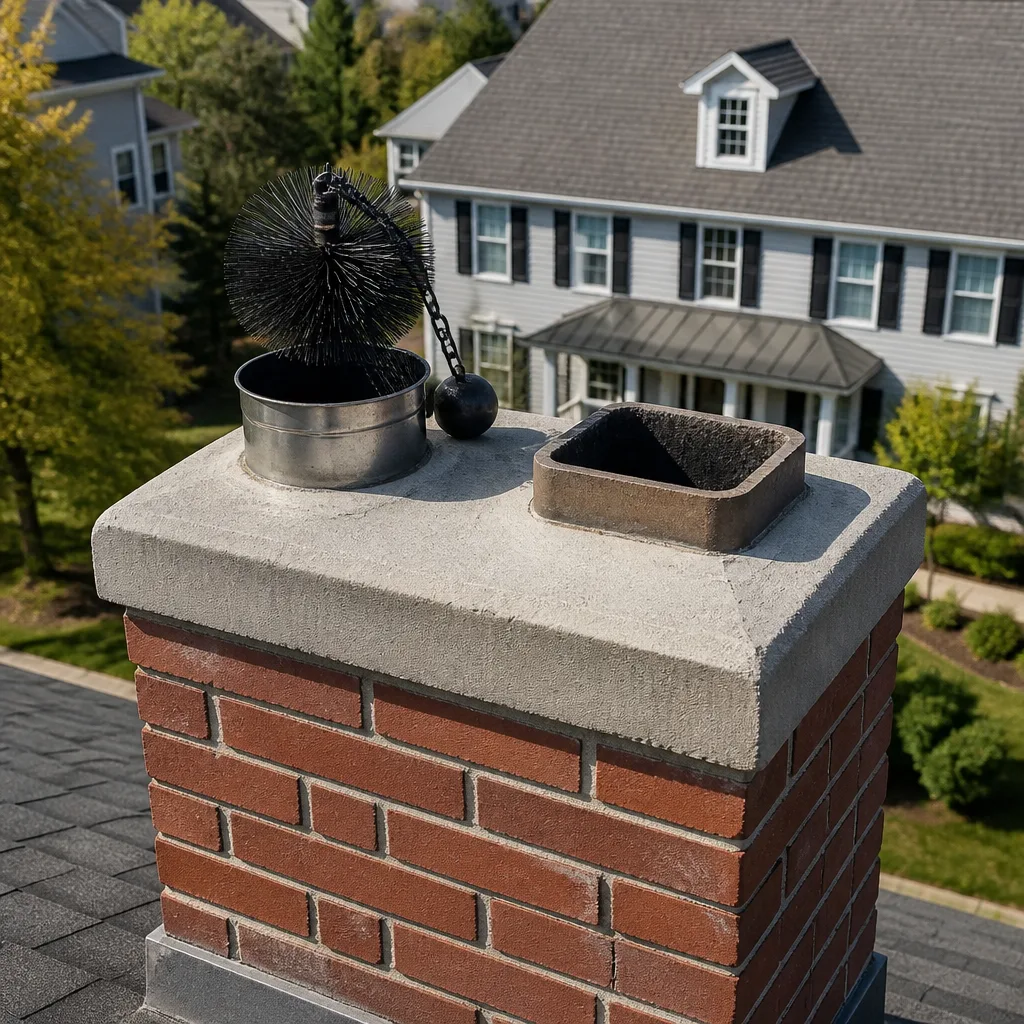 Sweep & inspection
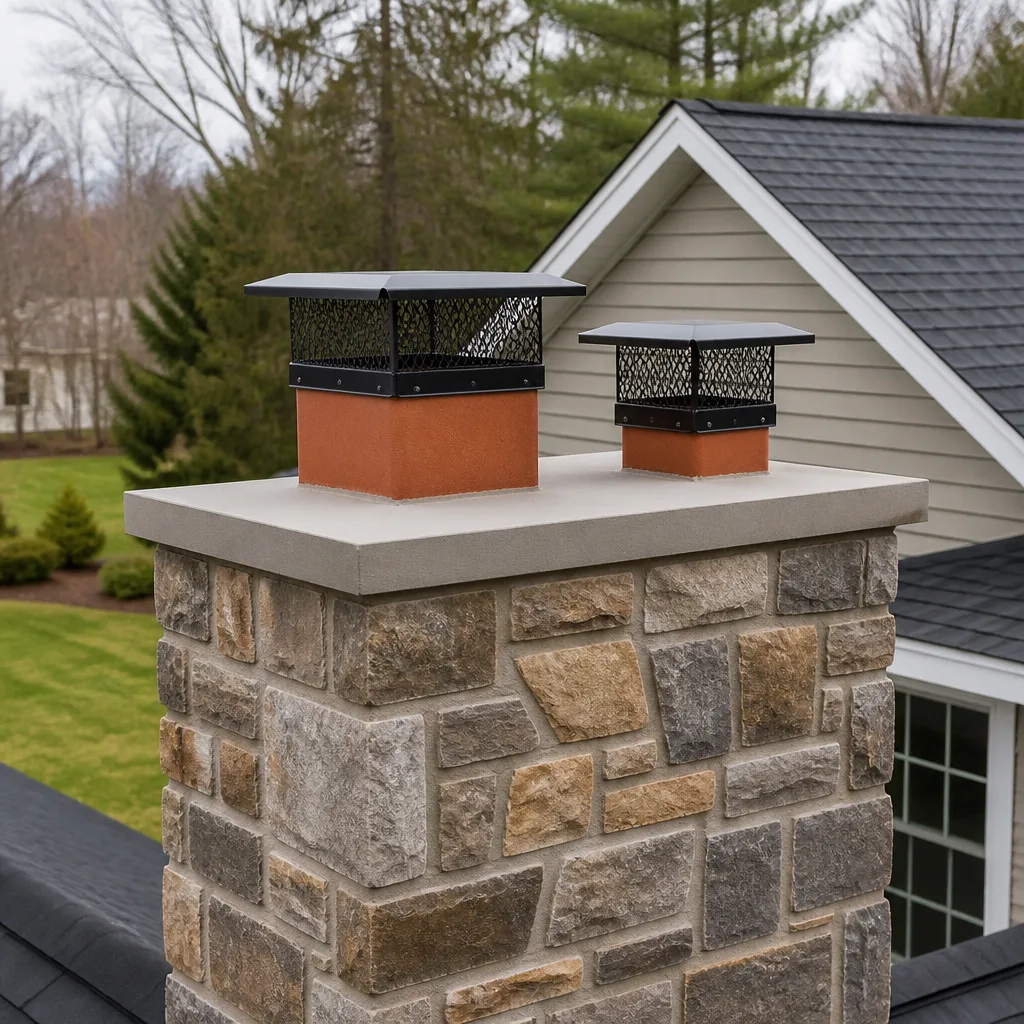 Caps & crowns
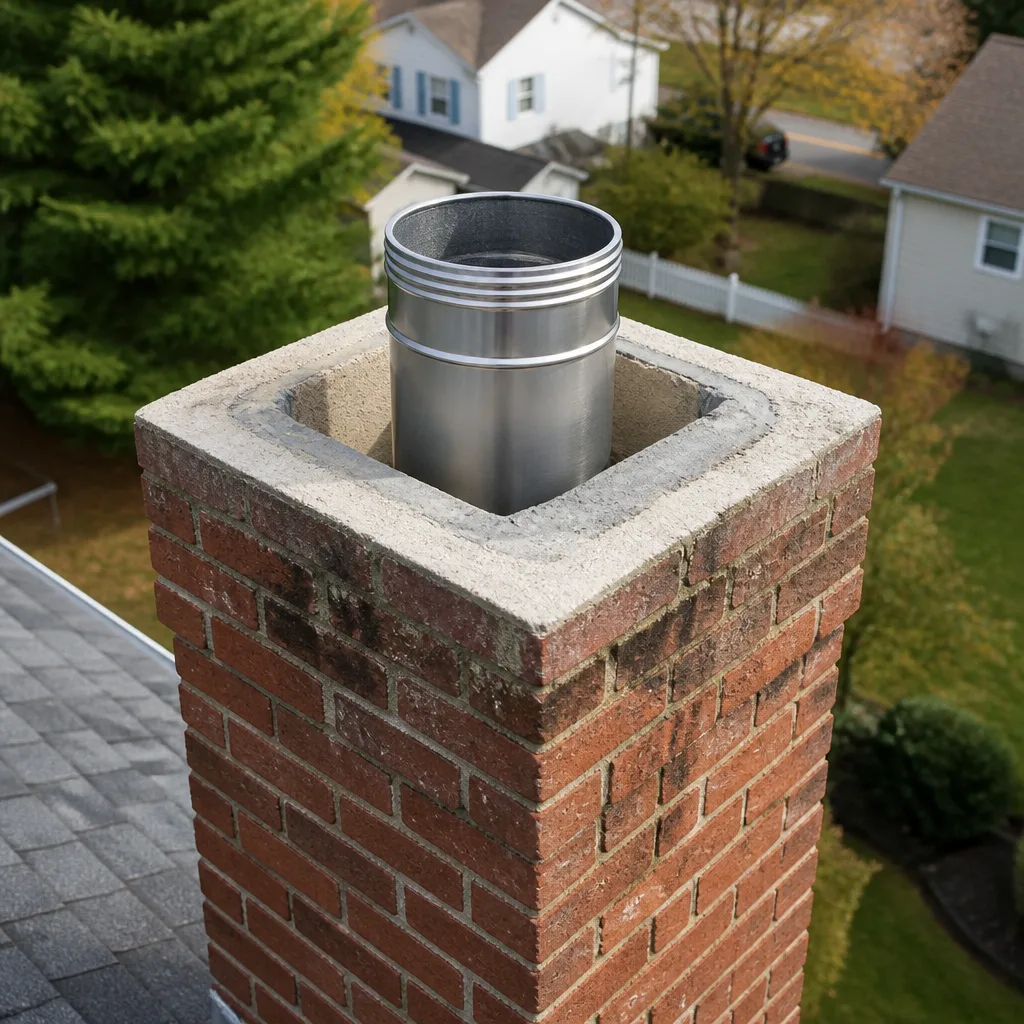 Flue relining
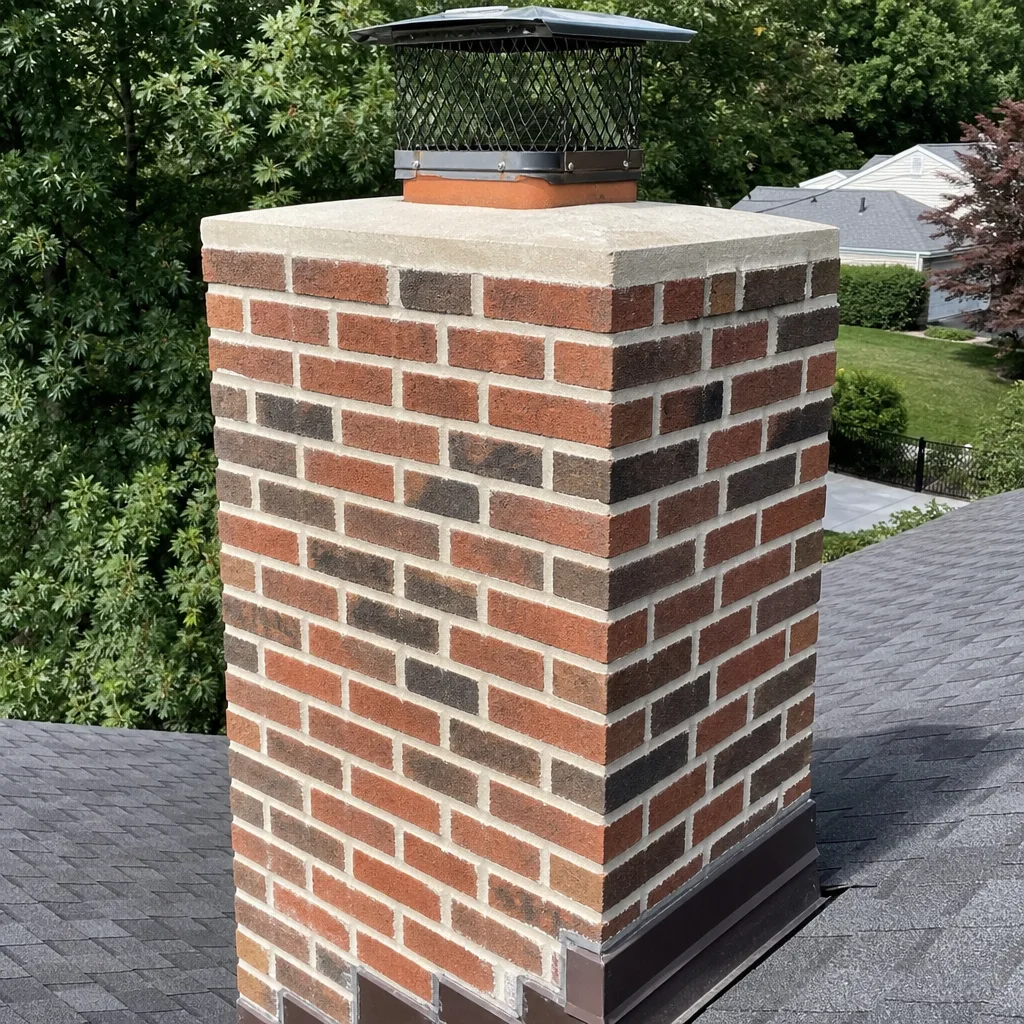 Masonry repair
Level 1 sweep and inspection to the NFPA 211 annual standard - flue, crown, cap, and flashing checked and photographed
Chimney sweep logs do not sweep chimneys. They loosen some creosote - which then falls where a brush and vacuum still have to collect it.
Styles & brands we work with
See the difference
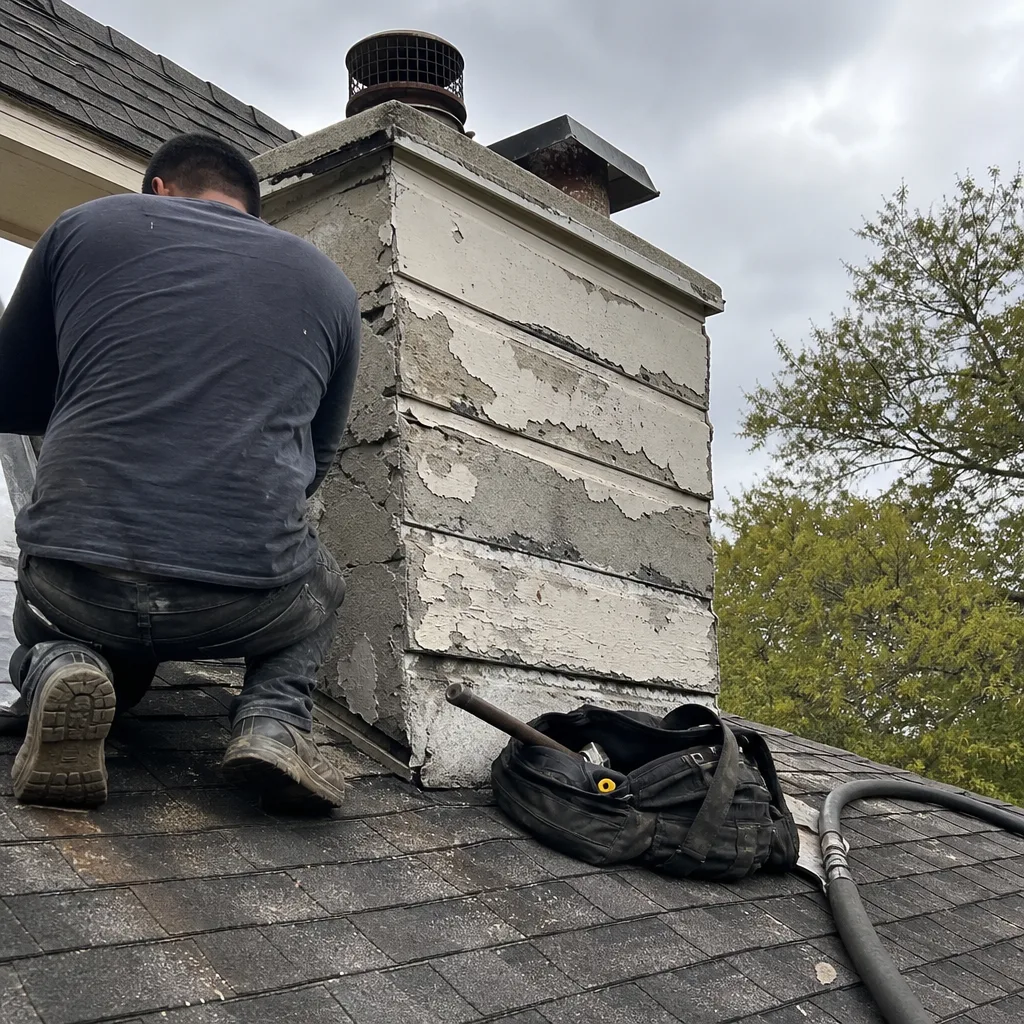 Before
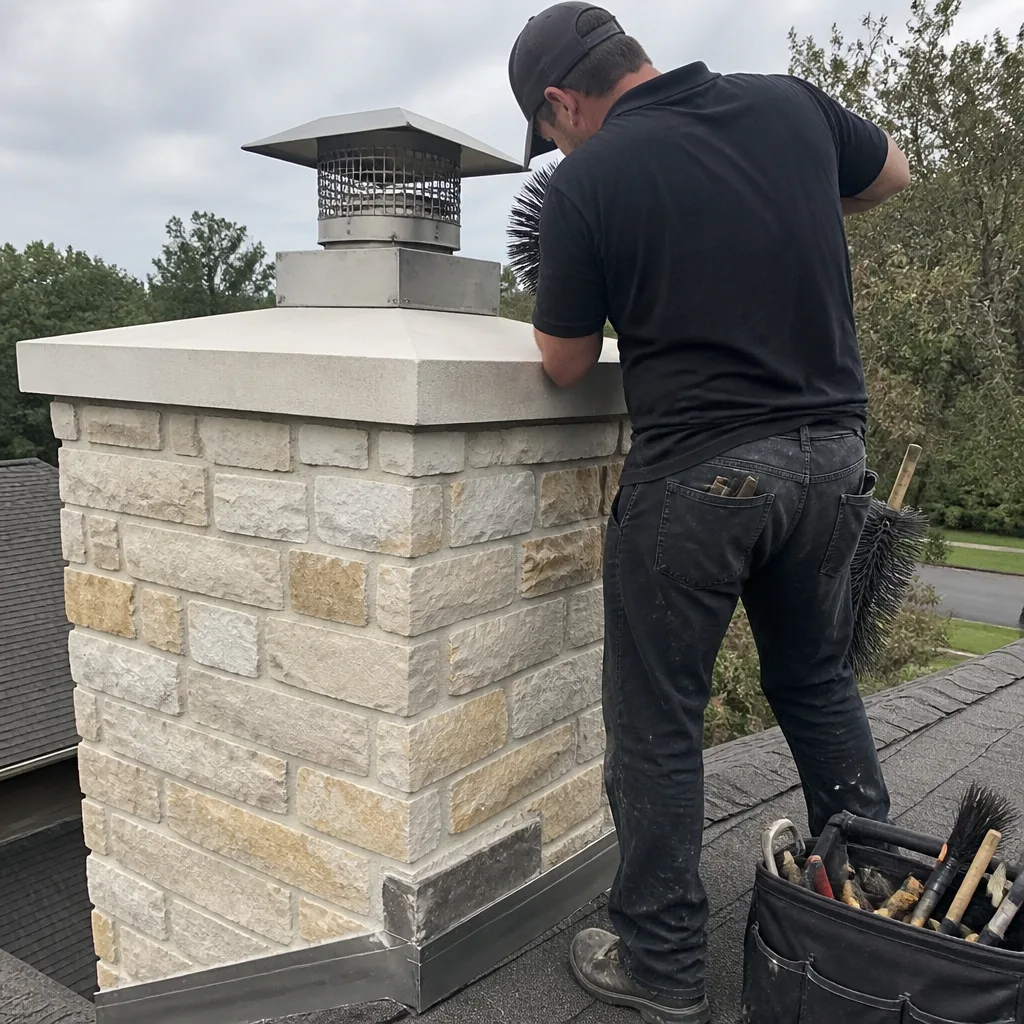 After
After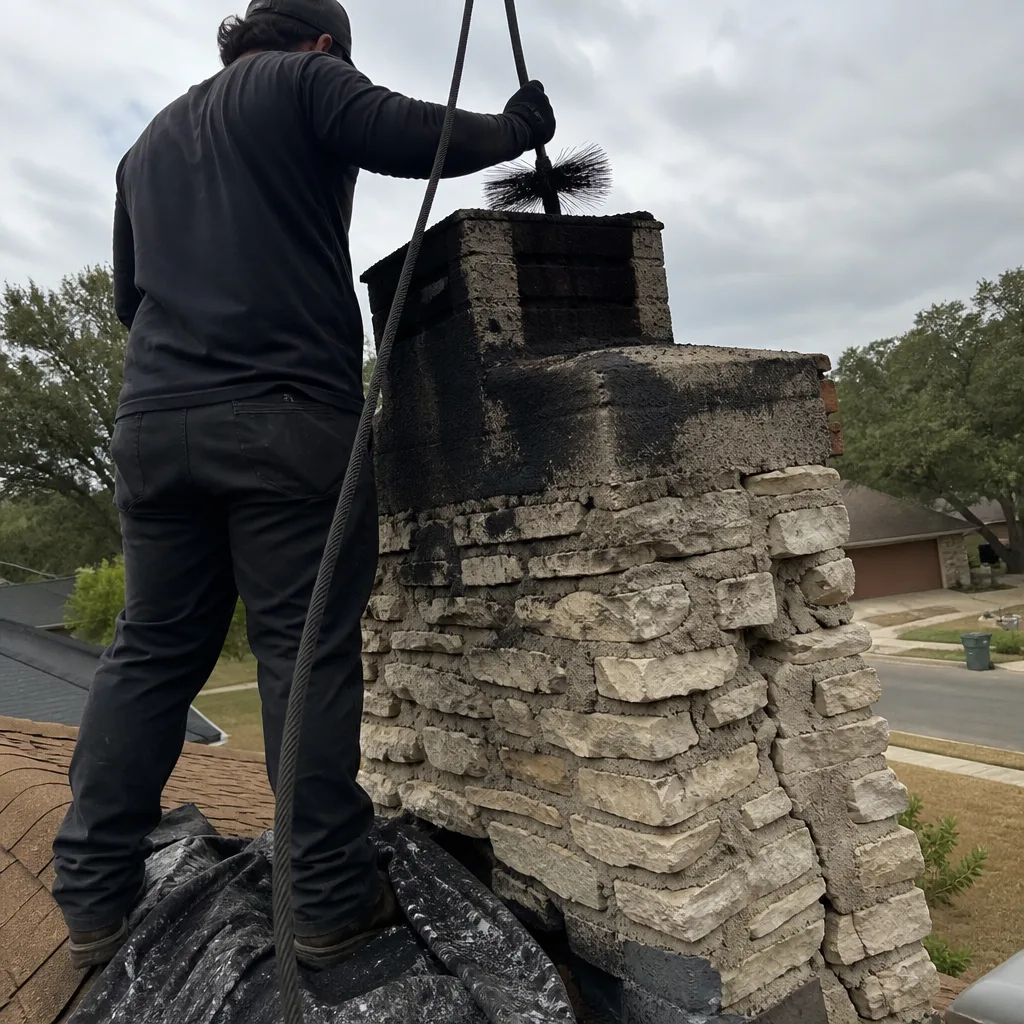 Before
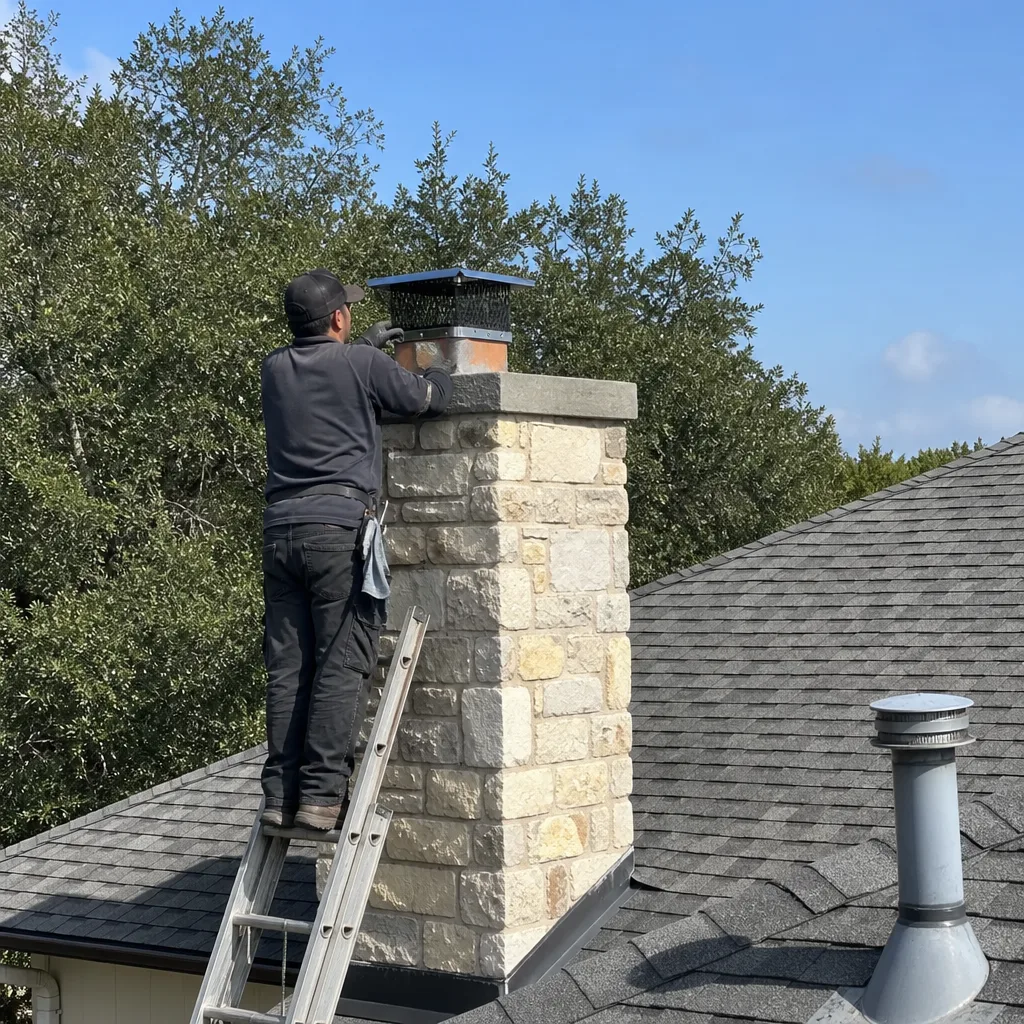 After
After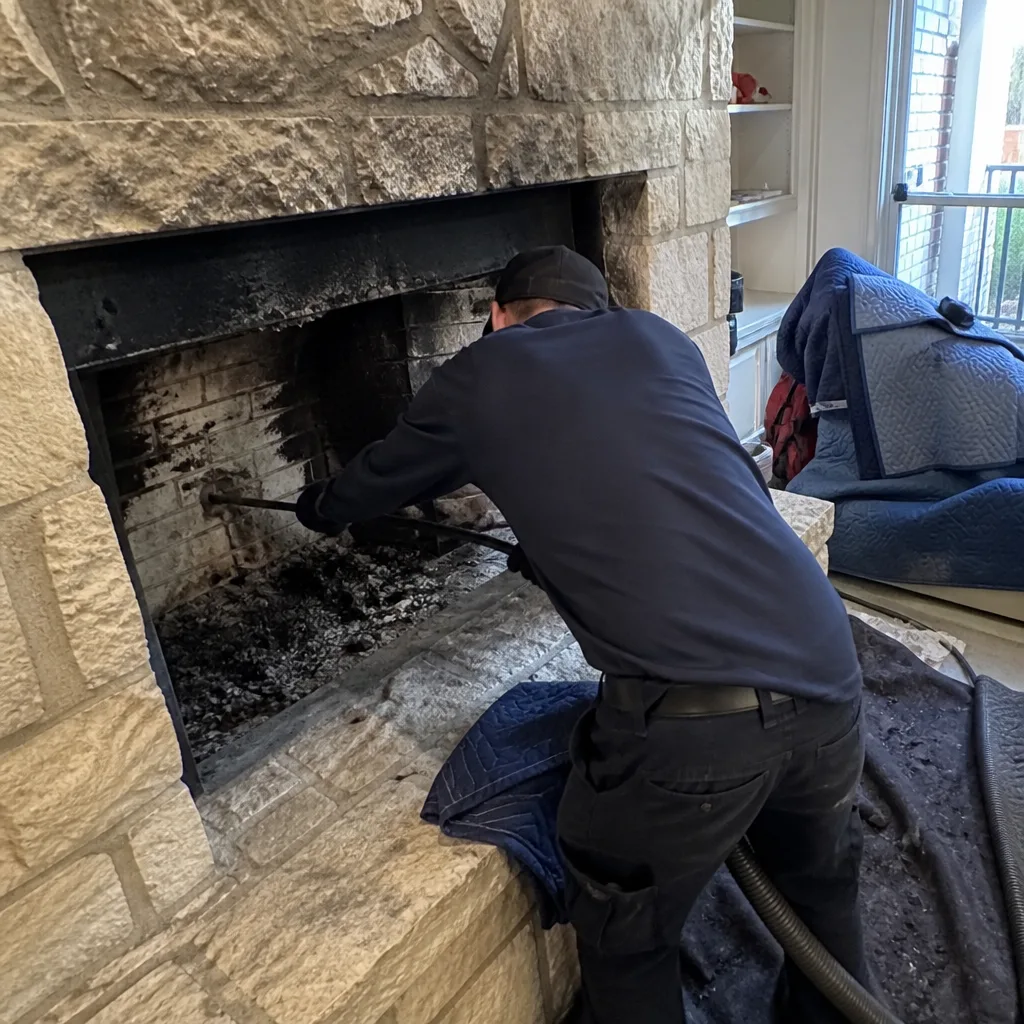 Before
 After
AfterFireplace Cleaning in Austin, TX
Fireplace cleaning in Austin typically costs between $149 and $279 for a standard open-hearth wood-burning fireplace, with most jobs completed in 45 to 90 minutes. Ashby Chimney Austin has cleaned fireplaces across Travis County since 2002, and every job starts with a written price before we touch a single brick. If you want the short version: call (254) 274-4486, tell us what kind of fireplace you have, and we’ll give you a straight number.
This page covers what fireplace cleaning actually involves, what it costs here in Austin, when you need it, and what to expect when we show up. For the fuller picture on the entire chimney system, including the flue and cap, see our Chimney Cleaning & Sweep in Austin page. But if the firebox is what’s staring back at you every time you sit down in the living room, you’re in the right place.
What Fireplace Cleaning Actually Includes
You hear “chimney sweep” and most people picture a guy with a brush on a pole. Fireplace cleaning is the part of that job that happens at eye level and below. A chimney sweep removes creosote from the flue liner; fireplace cleaning addresses the firebox, the hearth, the damper assembly, the smoke shelf, and the visible masonry around the opening. Both matter. Here in Austin, where we get long stretches of damp winter air followed by dry heat, ash and soot settle into firebox mortar joints and hold moisture, which slowly eats at the brick and stone. We see it in Allandale bungalows and Steiner Ranch two-story builds alike.
Here’s what a proper fireplace cleaning with Ashby Chimney Austin covers:
- Firebox cleaning: We remove loose ash, soot, and any debris from animals (birds, squirrels, even the occasional ringtail) that got in through a damaged chimney cap. Creosote buildup on firebox walls gets scraped and vacuumed with a HEPA-filtered vacuum, not just swept into a dustpan and waved goodbye.
- Damper check and cleaning: The damper plate gets wiped down, its pivot hardware inspected, and its seal checked. A damper that won’t fully open or close changes how your fireplace draws air, and that changes how much smoke rolls into the room instead of up the flue.
- Smoke shelf clearing: The flat ledge just behind the damper collects soot, creosote, and sometimes a surprising amount of acorns. Builders design it to catch debris, but it needs to be cleared manually. Not every chimney company bothers. We do.
- Hearth and surround cleaning: Ash, soot stains, and heat bloom marks come off the hearth and the brick or stone face. We use the right cleaner for the material – soapstone, flagstone, brick, or poured concrete all take different approaches.
- Glass door cleaning (if applicable): Gas fireplaces and many wood-burning inserts have glass fronts that cloud over with use. We clean the interior glass surface and check door gaskets while we’re at it.
- Visual condition report: While we work, we look for cracked firebrick, damaged mortar joints, warped dampers, and rust on metal components. You get a verbal summary before we leave, and anything we find goes in writing.
When You Need Fireplace Cleaning
Most Austin homeowners should have their fireplace cleaned once per year, per the National Fire Protection Association’s recommendation, which covers chimney sweeping and fireplace maintenance. Wood-burning fireplaces that get used weekly through the November-to-February season usually need it. Gas fireplaces can go two years between cleanings, but the glass and logs still collect dust film, and burners do pick up carbon buildup that affects flame quality.
Here are the specific signs it’s time to call (254) 274-4486:
- You can smell last winter’s fires when you walk past the fireplace. That smoky, campfire-ish smell that lingers in the room, even when the fireplace is cold, is creosote and soot holding odor. A good cleaning pulls it out. We see this constantly in older Hyde Park homes where the fireplaces have been in use since the 1940s.
- Smoke drifts into the room instead of up the flue. Sometimes that’s a damper that’s not fully open, sometimes it’s a blocked smoke shelf, sometimes it’s creosote narrowing the flue itself. Whatever the cause, it needs a professional look, not a cracked window and a prayer.
- Your firebox has a quarter inch or more of soot and ash caked onto the walls. You shouldn’t be able to scratch a stripe into the wall of your firebox with a fingernail. If you can, the buildup is heavy enough to affect burn quality.
- You see flaking or peeling deposits on firebox bricks. That’s glazed creosote, a harder, shinier form of the stuff that accumulated over multiple burn seasons. It’s more stubborn to remove and points to a fireplace that has been run hot and fast without regular cleaning.
- The glass on your gas fireplace or insert has gone cloudy or streaky. That film is from combustion byproducts, and it will only get worse. Cleaning the glass properly requires removing the door panel, which is easy to do wrong and crack. We do it right.
- You just bought the house. Central Austin homes change hands constantly, and you rarely get a clear answer on when the fireplace was last serviced. A cleaning on move-in gives you a baseline. In Westlake and Barton Hills, where we do a lot of pre-purchase chimney inspections, we almost always recommend a cleaning to follow.
Our Fireplace Cleaning Process
We show up in uniform, we introduce ourselves by name, and we lay down floor protection before any tools come in. The Kingswell Way, applied to fireplace cleaning, means exactly five things: say the price, show up in the window, leave it cleaner, put the guarantee in writing, and come back if anything’s wrong. That’s not a slogan stuck on a website footer. It’s the actual order of operations.
- Written price before anything else. We look at your fireplace, we ask how it’s been burning, and we write down the number. That’s the price. If we find a surprise under the ash, we stop, show you, and write a new number before continuing. No one likes a phone call that starts with “Well, once we got into it…” That call never happens with us.
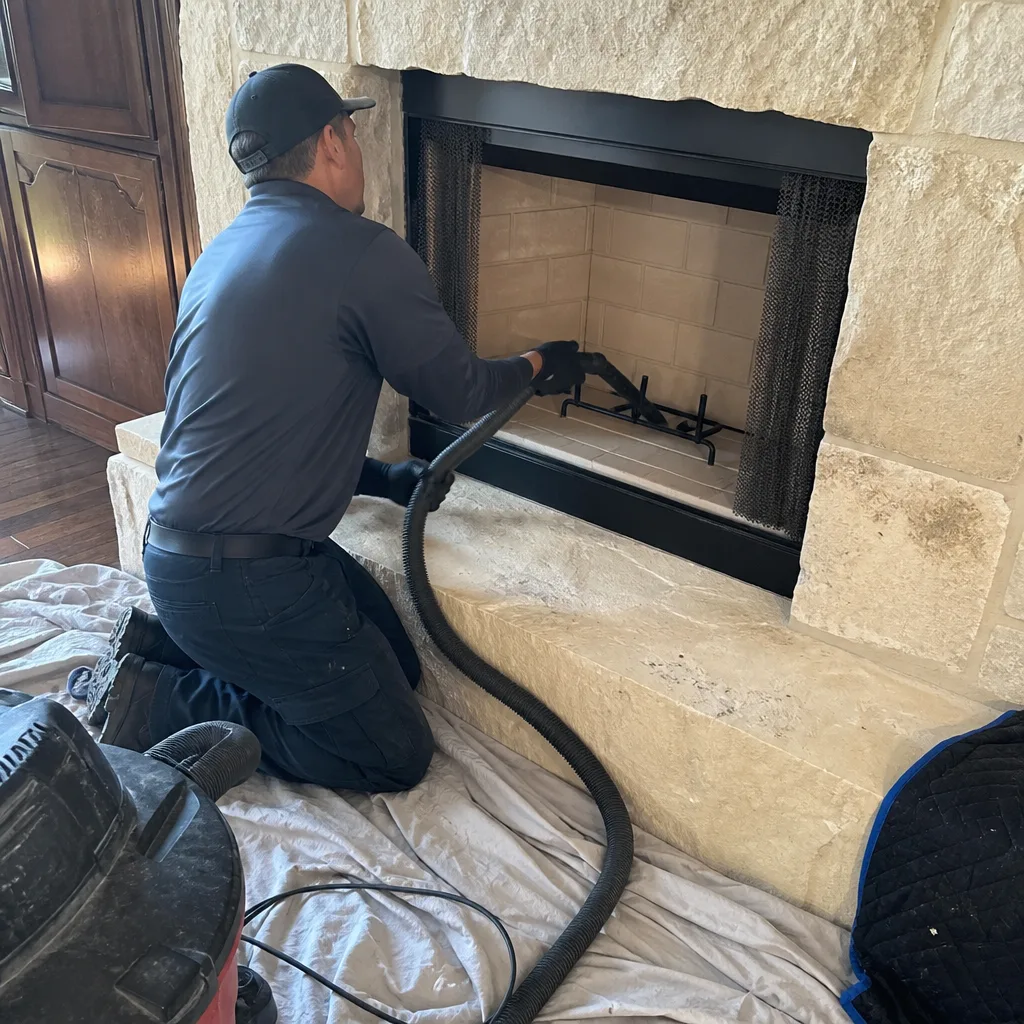
- Protection goes down first. Canvas drop cloths cover your hearth and the floor in front of it. Our vacuum is HEPA-filtered so the dust we pull out of your fireplace doesn’t get redistributed across your living room. If you’ve had a chimney sweep before who left the room dustier than they found it, you’ll notice the difference immediately.
- Firebox and smoke shelf cleaning. We remove ash and debris by hand, then use soft-bristle brushes and the vacuum to pull soot and creosote off the firebox walls. The smoke shelf gets cleared with the same care. Any glaze-level creosote gets treated with a creosote conditioner from Gelco or a similar trade-grade product to break down the hardened deposits so they can be removed.
- Component check and glass cleaning. The damper assembly moves, seats, and seals. Glass doors come off for cleaning, if you have them. Burner tubes and logs get inspected on gas units. Nothing gets sprayed with anything that leaves a residue you’ll smell the first time you light a fire.
- Final vacuum and visual walkthrough. We leave the firebox, hearth, and surround clean to the touch. Then we walk you through what we found, in plain English, with the trade words translated: “the flue liner (the clay or steel tube that vents combustion gases out of your home) has light creosote, nothing concerning.” You get a written summary.
- Written guarantee. Every cleaning comes with our written guarantee covering the work. If something’s not right, we come back and correct it at no charge inside the guarantee period, which is the 365-Day Done Right Promise in action. That’s not an add-on you pay extra for. It’s just how we close out a job.
Fireplace Cleaning Pricing in Austin
Here’s the straight answer, because you shouldn’t have to call three companies and play phone tag to get a number.
| Service | Typical Austin Price Range | What’s Included |
|---|---|---|
| Standard wood-burning fireplace cleaning | $149 – $229 | Full firebox, smoke shelf, damper cleaning, hearth wipe-down, basic visual inspection |
| Gas fireplace cleaning (vented or vent-free) | $159 – $249 | Glass panel removal and cleaning, log and burner inspection, firebox vacuum, pilot assembly check |
| Fireplace with glass doors (wood-burning) | $189 – $279 | Everything in the standard cleaning plus door removal, interior glass cleaning, gasket inspection |
| Heavy creosote or glazed creosote treatment | Add $50 – $100 | Creosote conditioner application and extended removal time for hardened deposits |
| Fireplace cleanout after animal intrusion | $199 – $299 | Debris removal, sanitization of firebox surfaces, damper inspection, recommendation for cap replacement if needed |
What moves the price: the size of the firebox, how much buildup has accumulated, whether there’s glazed creosote to treat, and whether or not you have glass doors. Gas logs add a little time because they have to come out and go back in without damaging the log set or the burner. What doesn’t move the price: the square footage of your house, the neighborhood, or how busy our schedule is. The number you get written down first is the number on the invoice.
If you’re in Round Rock, Pflugerville, Leander, or anywhere else in the greater Austin area and want a free estimate, call (254) 274-4486. We’ll ask a few questions about your fireplace type and how much you use it, and give you a real range before we even schedule the visit.
Why Austin Fireplaces Build Up Faster Than You’d Expect
Austin’s climate does strange things to a fireplace that sits unused for six, seven, eight months a year. The heat of summer dries out any residual creosote in the flue and firebox, causing it to shrink and crack away from the mortar in flakes. Then the humidity swings we get in October and November, especially around the Hill Country, reintroduce moisture that causes those creosote flakes to swell and cling to surfaces. When you light your first fire of the season, that aged creosote burns hotter than fresh creosote, and it’s more likely to contribute to a chimney fire in the first burn of the season than at any other point in the year.
We see this pattern every October in neighborhoods from Mueller to Circle C. A firebox that looked clean when the homeowner closed the damper in March has a full coat of flaky deposits by Thanksgiving. It’s not your fault. It’s the weather. But it’s worth knowing that the first fire after a long Austin summer is the one where you want a clean flue and a clean firebox.
Fireplace Cleaning vs. Chimney Sweep: What’s the Difference?
These two get used interchangeably, and they shouldn’t be. A Chimney Cleaning & Sweep focuses on the flue and liner, the vertical passage that carries smoke and combustion gases from the firebox to the chimney cap. That’s where creosote accumulates and where most chimney fires ignite. Fireplace cleaning focuses on the firebox itself, the damper, the smoke shelf, and the visible masonry around the hearth opening.
Can you get one without the other? Technically, yes. But it rarely makes sense. If we’re cleaning the firebox, the first thing smoke has to pass through is the flue. If the flue is loaded with creosote and we only clean the firebox, we’ve made the pretty part clean and left the dangerous part untouched. We’re not going to do that to you. When you book a fireplace cleaning with Ashby Chimney Austin, we’ll tell you plainly if the flue also needs a sweep, and give you the price for both before anything starts. Most of the time, people get both done in a single visit because the flue needs it anyway, and combining the jobs saves on the second trip charge.
Gas Fireplace Cleaning in Austin
A lot of Austin homes built in the last twenty years have gas fireplaces, especially in newer subdivisions like Avery Ranch, Teravista, and Belterra, where wood-burning fireplaces aren’t allowed under subdivision codes. Gas fireplaces still need cleaning; they just get dirty in a different way. The glass panel fogs with a white film that’s a mix of combustion byproducts and dust that gets pulled into the air intake. The log set collects a fine carbon dust. The burner ports can clog with soot and cause uneven flame patterns, which leads to soot buildup on the glass and logs.
Cleaning a gas fireplace properly means pulling the glass panel, cleaning both sides, removing the log set without chipping the refractory ceramic, vacuuming the burner pan, checking the pilot and thermopile, and putting everything back with the logs seated exactly where the manufacturer intended. If the logs go back in the wrong position, the flame pattern goes wrong, the glass soots up faster, and in the worst case, carbon monoxide production increases. If any gas component looks questionable, we’ll tell you and recommend a repair, with a written price before anything continues.
And one thing worth saying plainly: don’t attempt a deep gas fireplace cleaning on your own if you’re not sure how to shut off the gas supply and properly reseat the logs. Gas valves, pilots, and thermopiles are not meant to be poked at with household tools. That’s not a scare tactic, it’s just the reality of working around gas lines. Ashby technicians have handled these systems for years, and we still treat every gas appliance with the care it demands.
FAQs – Fireplace Cleaning
How much does fireplace cleaning cost in Austin?
Fireplace cleaning in Austin typically runs between $149 and $279, depending on whether you have a wood-burning or gas fireplace and whether glass doors are involved. Ashby Chimney Austin gives a written price before any work starts, so the number you get at the door is the number on the invoice. Call (254) 274-4486 for a free estimate based on your specific fireplace.
How long does fireplace cleaning take?
A standard fireplace cleaning takes between 45 and 90 minutes, with gas fireplaces running slightly longer because of the glass panel and log set handling. If the job also includes a chimney sweep or creosote treatment, expect the visit to run closer to two hours. We’ll give you a realistic arrival window when you book.
Can you clean my fireplace the same day?
In many cases, yes. Our schedule fills up in October and November, which are the busiest months for fireplace service in Austin, but we keep room for same-day and next-day appointments whenever possible. The fastest way to find out is to call (254) 274-4486; a live person answers around the clock, and they’ll tell you what’s available.
Is fireplace cleaning worth it if I only use my fireplace a few times a year?
Yes. Even light use produces creosote and soot, and Austin’s heat-and-humidity cycle causes buildup to degrade and re-form between seasons, which can make the first fire of the year more hazardous than you’d expect. An annual cleaning is cheaper than a chimney fire, and it gives us a chance to catch small issues before they become expensive repairs.
Who Cleans Your Fireplace Matters
Here’s what we’ve learned in the years since 2002: fireplace service is a trade where reputation is earned one living room at a time. The person you invite into your home is carrying brushes, vacuums, and solvents across your floors. They’re handling soot and creosote that can stain carpet and furniture if someone gets sloppy. They’re working near gas lines and heat-producing components. All of this is why Ashby Chimney Austin sends background-checked, uniformed technicians on every visit. You’ll know who’s walking through your door because you’ll have their name before they arrive.
Nathan Corliss owns and operates Ashby Chimney Austin, and the standards here are the Kingswell Guarantee standards: written price before the work, written guarantee after it, a live person on the phone 24/7, and a return visit at no charge if a repair we made fails inside the guarantee period. The brands we use – Olympia Chimney for caps and dampers, Copperfield for chase covers and flashings – are the same trade-grade products we’d put on our own homes. Ashby carries ash right in the name, which is fitting for the people whose job it is to clean it out.
Get the full picture on the rest of the chimney system at our home page or on the Chimney Cleaning & Sweep in Austin service page. And when it’s time to stop looking at that dirty firebox and do something about it, call (254) 274-4486. The estimate is free, the price is written down, and the person who answers is a real person, not a recording.
Written by Nathan Corliss, Owner at Ashby Chimney Austin, serving Austin.