
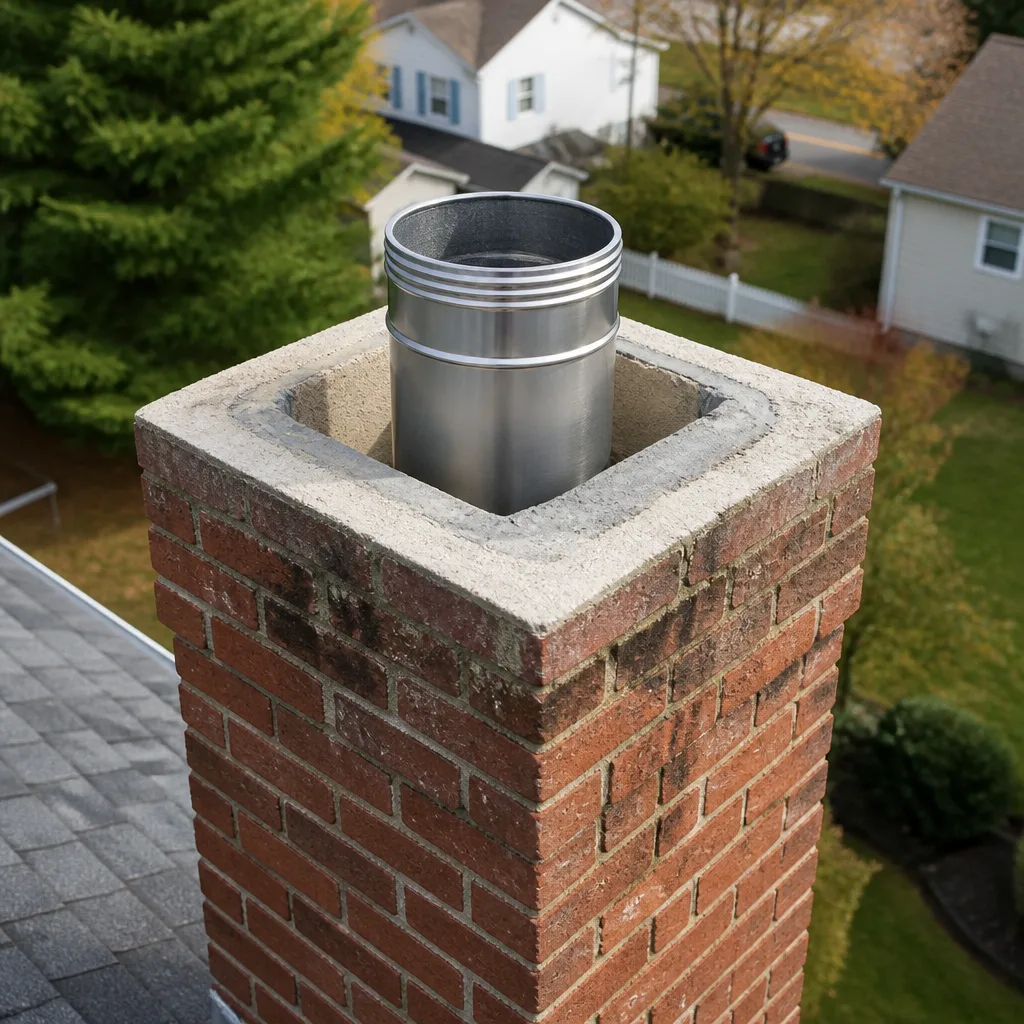
 Flue relining
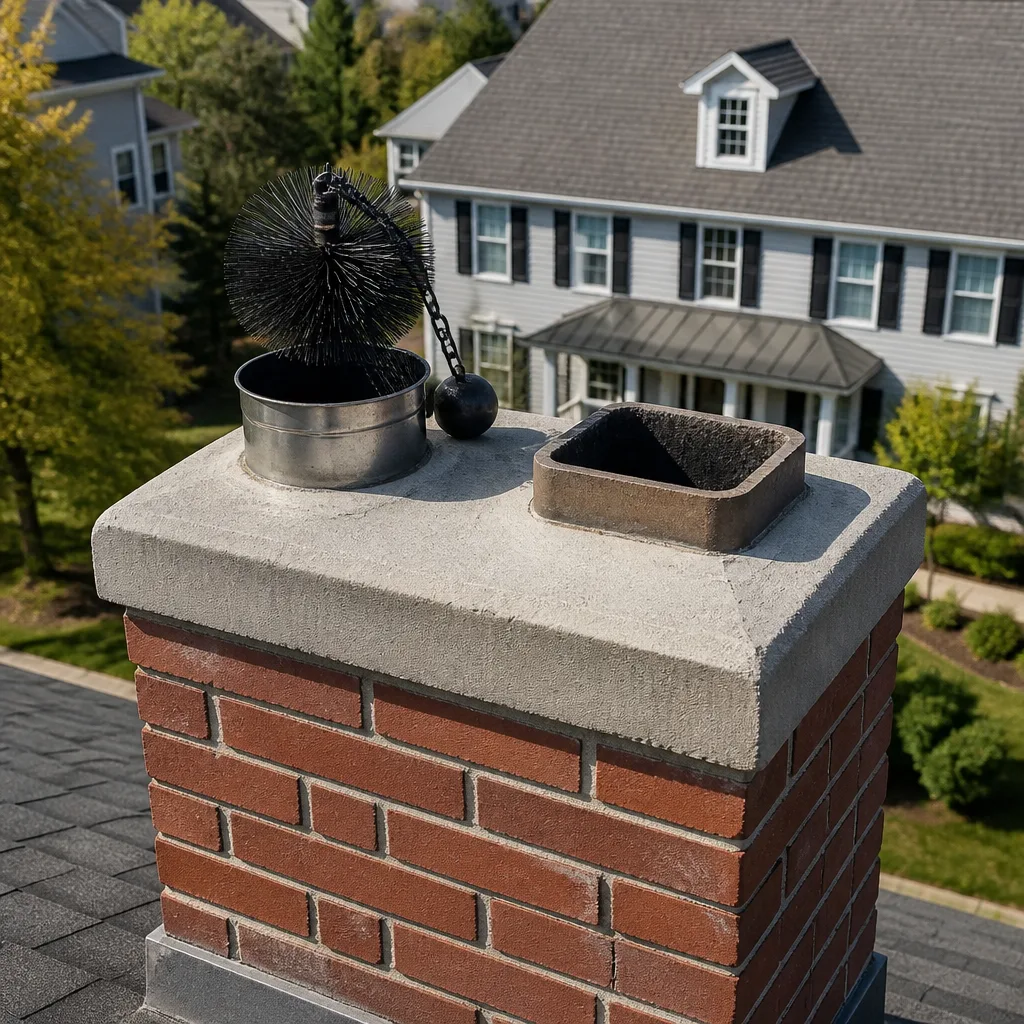 Sweep & inspection
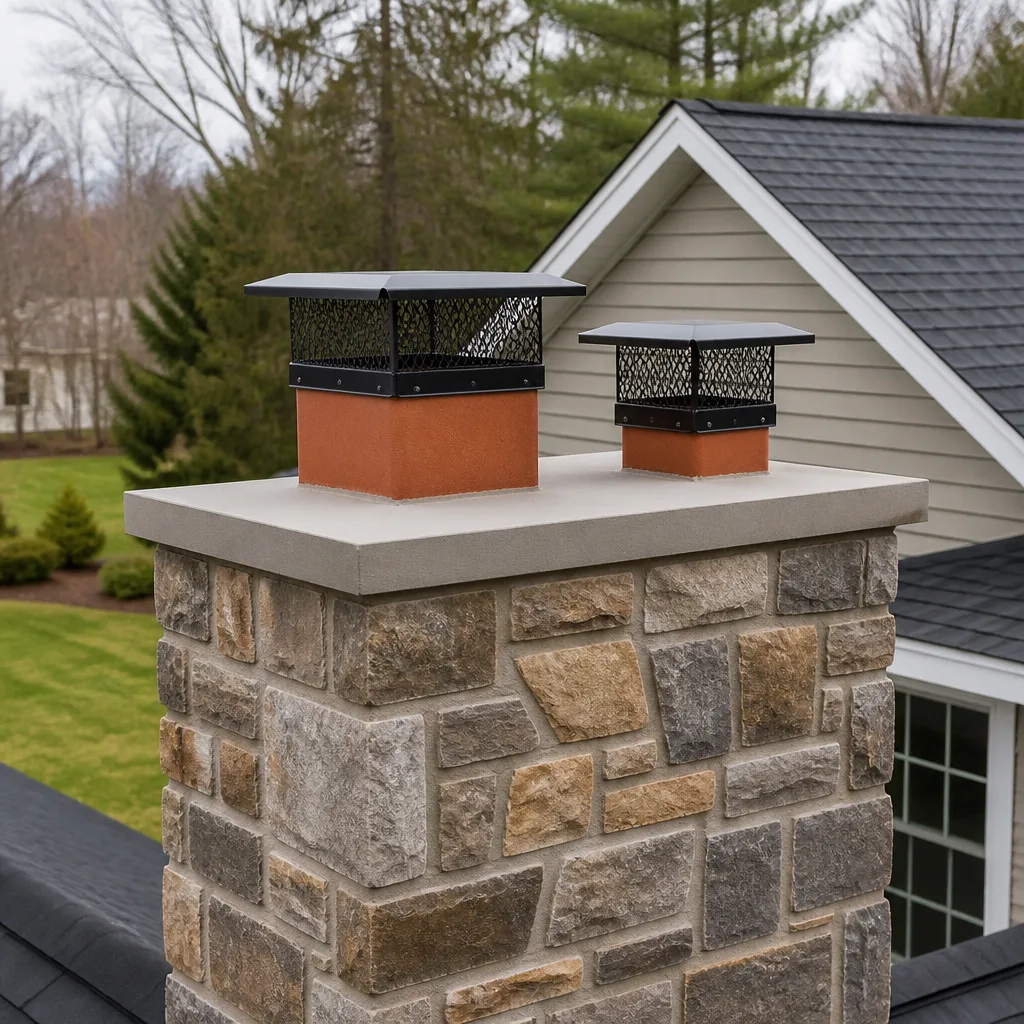 Caps & crowns
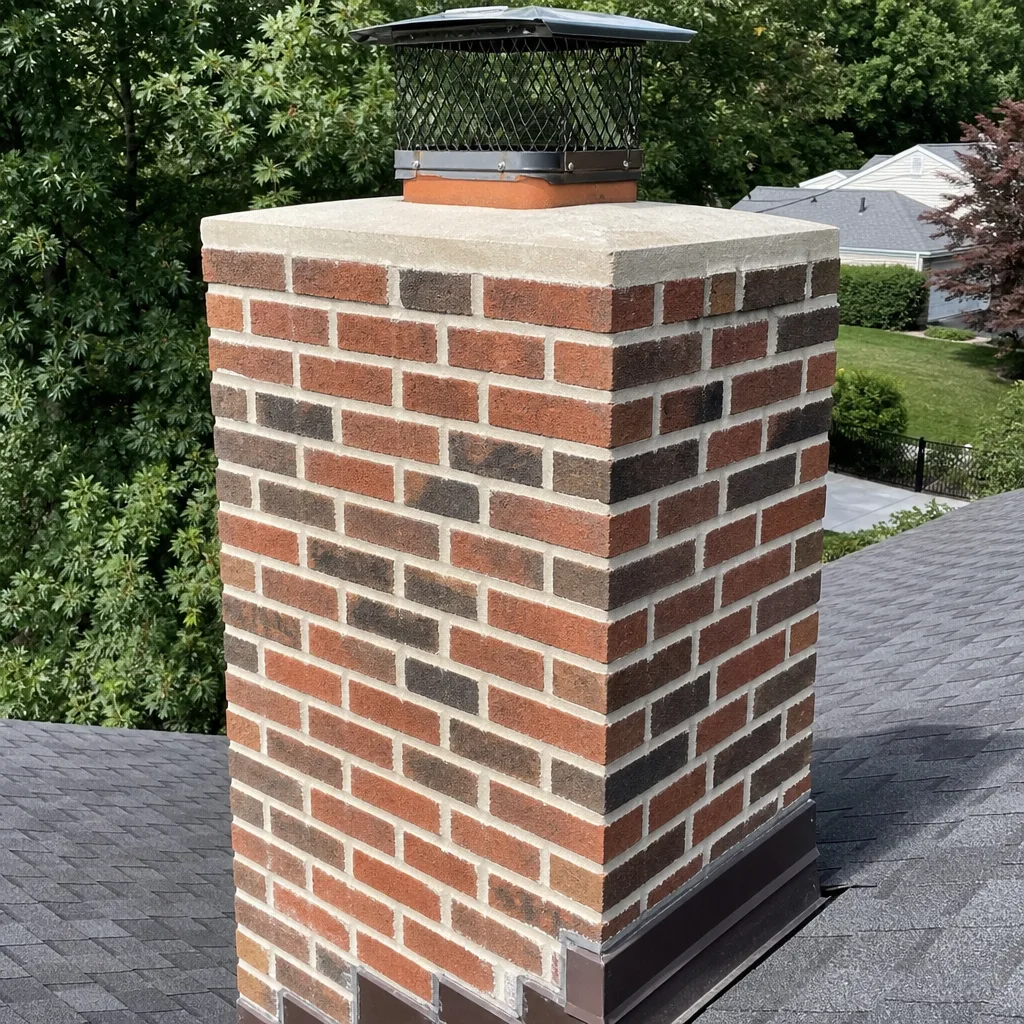 Masonry repair
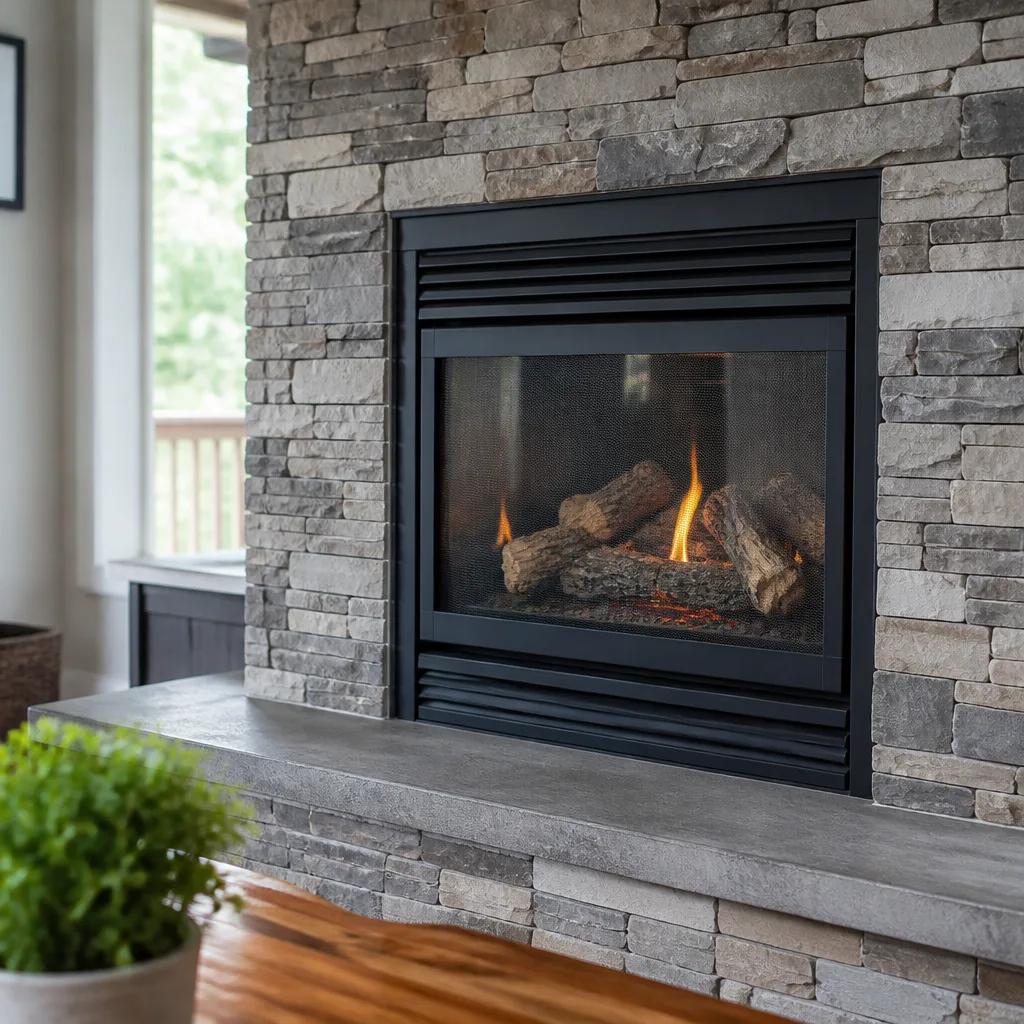 Gas fireplace service
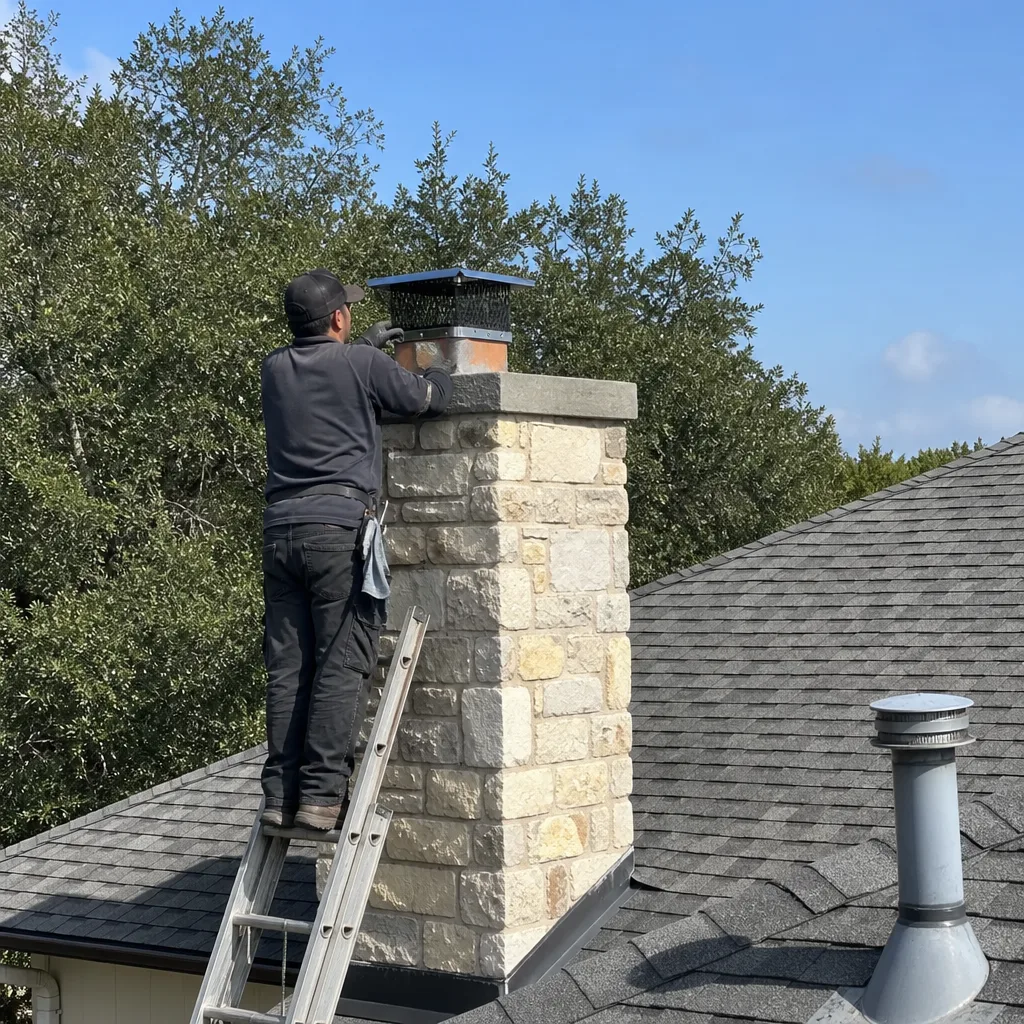
Level 1 sweep and inspection to the NFPA 211 annual standard - flue, crown, cap, and flashing checked and photographed
Chimney sweep logs do not sweep chimneys. They loosen some creosote - which then falls where a brush and vacuum still have to collect it.
HeatShield Flue Liner Replacement: The Austin Owner’s Guide
A HeatShield flue liner replacement in Austin typically runs $2,400 to $4,800 installed, depending on flue height, access difficulty, and whether we’re relining the entire flue or repairing a section. Most replacements take one day, and we keep HeatShield Cerfractory materials on the truck so we can often quote, prep, and get started the same visit. You usually discover the part failed during an annual inspection, when a camera scope shows cracked or spalled sections of the original HeatShield coating, or after noticing flue gases backing into the house on a windy day.
What owners feel first is often a draft, a smell, or simply a Level 2 inspection photo that shows the old HeatShield resurfacing has let go in the middle of the flue. In Austin’s clay-heavy soil and damp, freeze-thaw winters, the underlying masonry moves just enough that a rigid ceramic coating can crack. We’ll explain exactly what we’re seeing before we recommend anything, and you’ll get the camera images so the decision is yours.
Which HeatShield Models This Applies To
HeatShield is a poured-in-place Cerfractory flue resurfacing system, not a rigid liner. That matters because a “HeatShield replacement” is rarely a swap of one part for another. It means removing or keying into the existing failed resurfacing and applying new HeatShield foam and Cerfractory cement through the same process, matched to your flue’s dimensions and fuel type.
The system is spec’d by flue tile size and appliance, not by a discrete model number. Common residential applications cover flue tiles from 6″ to 13″ round or square, in both gas and wood-burning flues. HeatShield is approved for natural gas, propane, oil, and wood, but the formulation changes by fuel because wood flue temperatures and creosote chemistry are different than gas. That’s the compatibility gotcha: a gas-rated HeatShield application isn’t the right call for a wood-burning fireplace. If you have the original installation paperwork, the flue size and fuel type are the two things we need. If you don’t, a camera inspection gets us both in about twenty minutes.
We are an independent chimney company in Austin. We install and repair HeatShield systems but we’re not affiliated with the manufacturer, and we’ll never imply otherwise. If your original HeatShield work is still under the installer’s warranty, call them first. If that’s not an option, we’ll match the specification and put our own written guarantee on the replacement.
Styles & brands we work with
Signs Your HeatShield Flue Liner Replacement Is Failing
- Flue gas smell in the home, especially on windy days. The Cerfractory coating has cracked or separated from the flue tile, letting exhaust leak into the chase or wall cavity instead of venting out the top. Wind pushes it back toward living space.
- White or gray flaking debris at the cleanout or in the firebox. Spalling Cerfractory sheds material, and that dust has to go somewhere. It settles at the lowest point in the flue system, which is often the cleanout door at the base of the chimney.
- Visible cracking on a camera scope, often at tile joints or mid-flue bends. HeatShield bonds to the existing flue tile, and the tile joints are where movement concentrates. In Austin, expansive clay soil causes slow chimney settling, and the rigid ceramic coating gives way at those stress points first.
- Water streaks or staining on interior walls adjacent to the chimney. A failed liner lets moisture escape into the masonry, and it wicks inward through the gypsum. In a humid Austin summer, that moisture never fully dries, so the stain keeps growing.
- Your gas utility tags the appliance or a Level 2 inspection fails. This is the one that matters most: a cracked liner on a gas flue is a carbon monoxide pathway. The inspector isn’t being fussy. The liner is doing a job, and it has stopped doing it.
See the difference
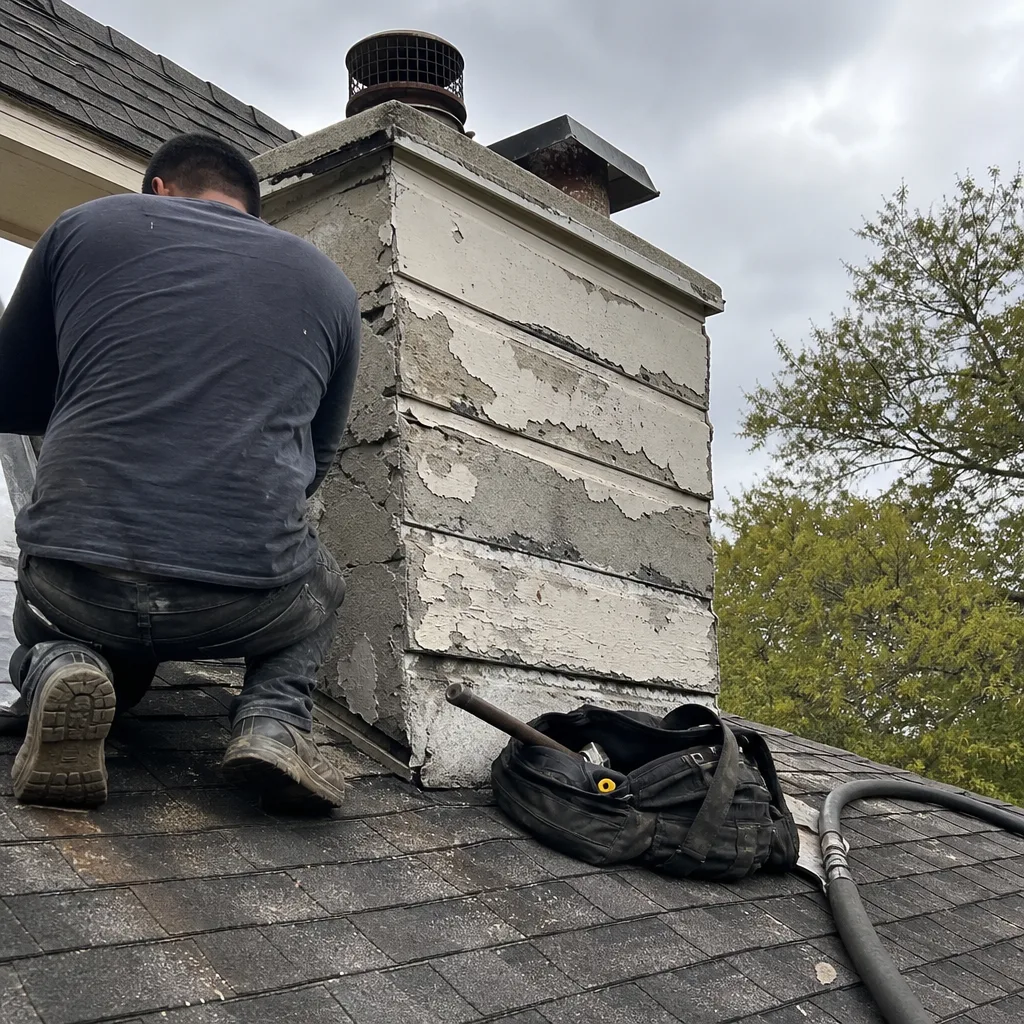 Before
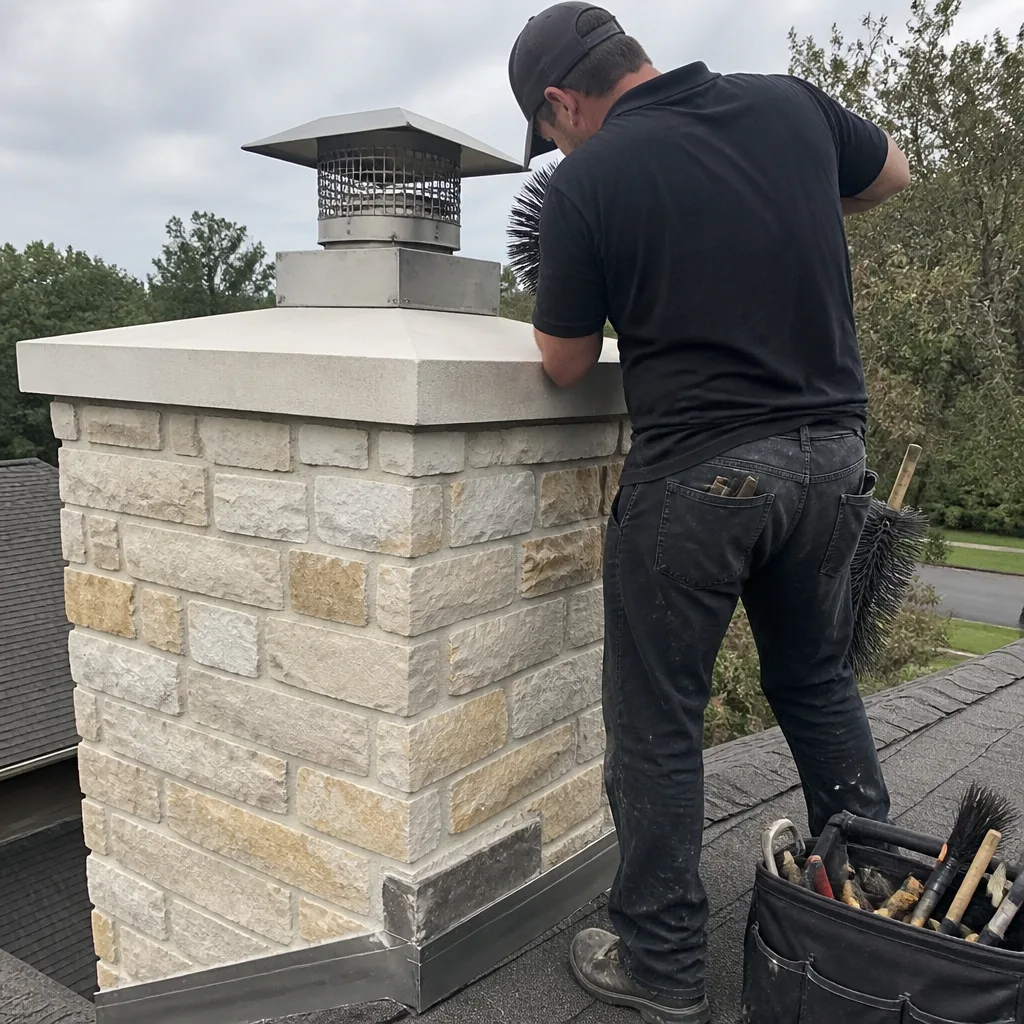 After
After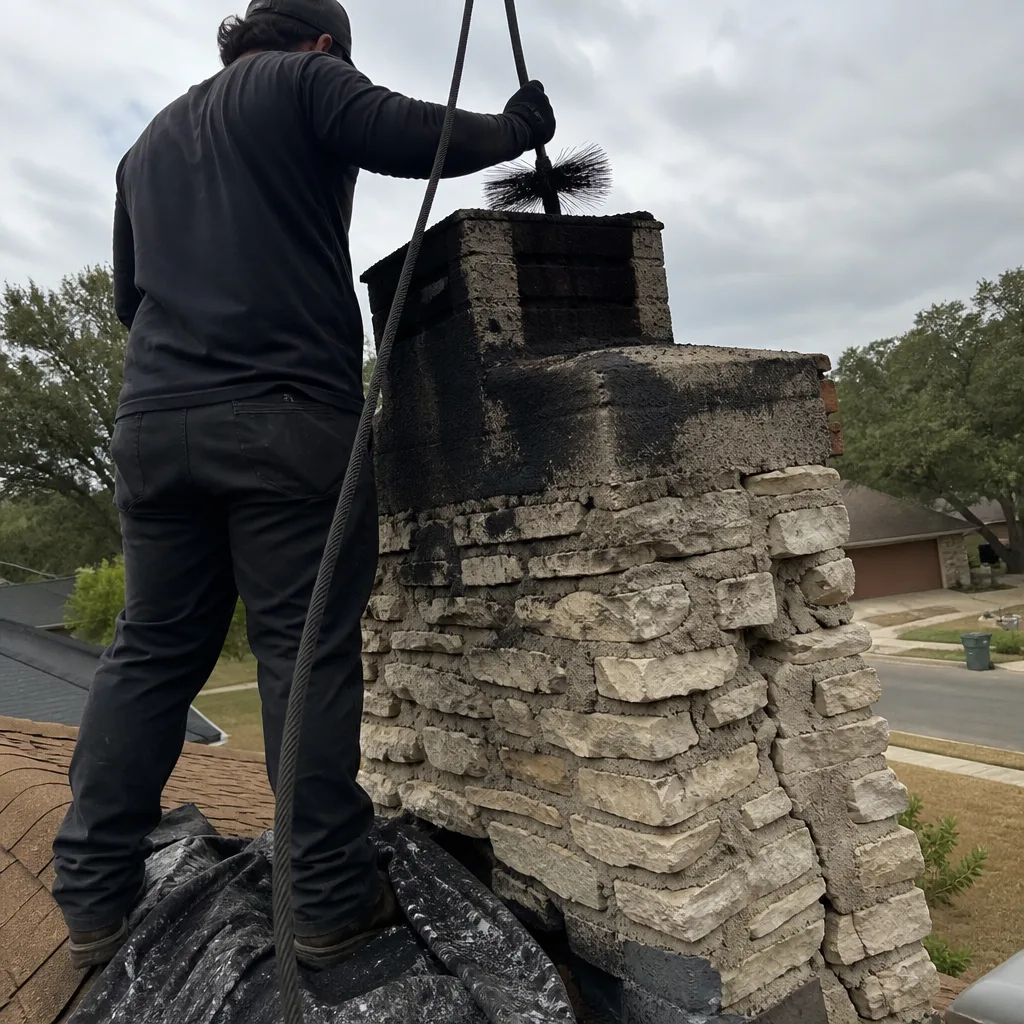 Before
 After
After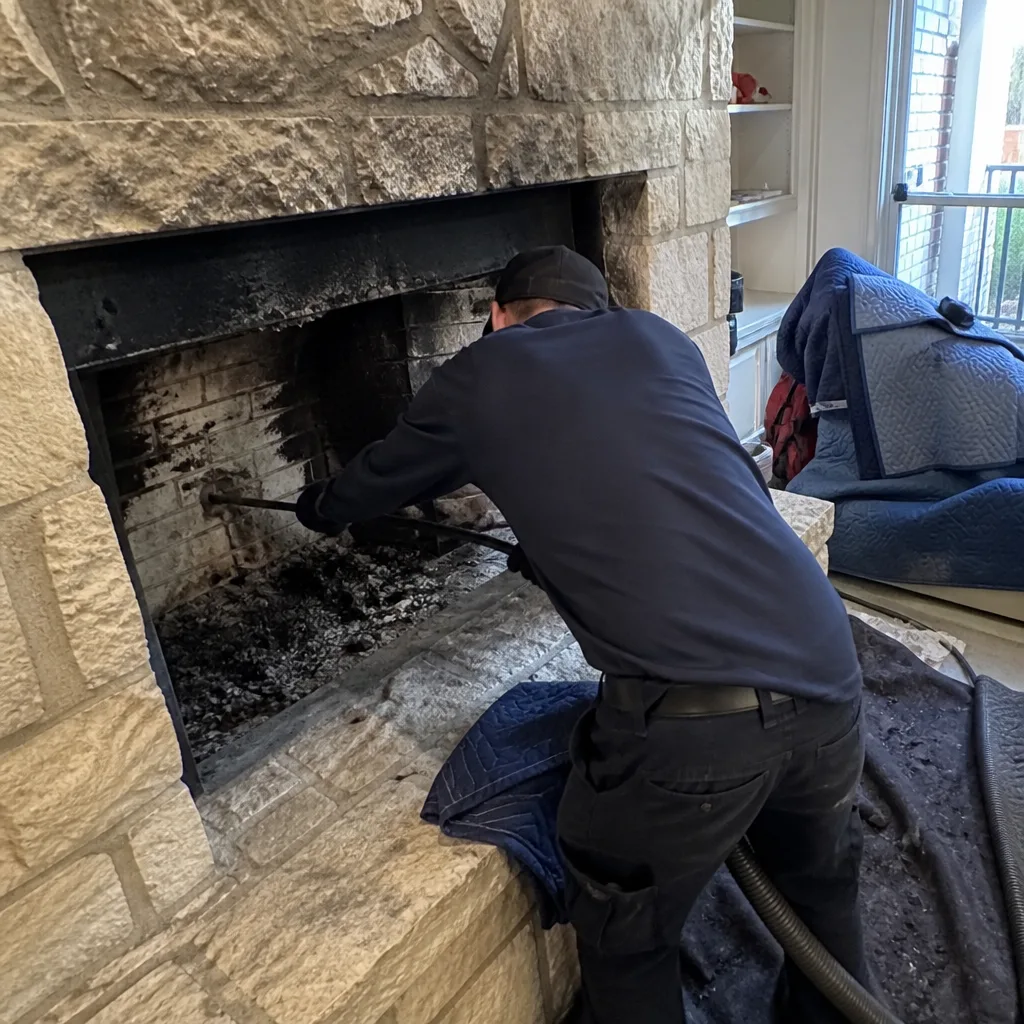 Before
 After
AfterReplacement Cost & What’s Included
In Austin, expect $2,400 to $4,800 for a full HeatShield flue liner replacement on a standard single-story residential chimney. A two-story flue with difficult roof access lands at the top of that range; a short, straight flue with easy access lands at the bottom.
The spread comes down to three things: how much of the existing coating must be removed before the new application, how many flue tile sections are being resurfaced, and whether we’re working from the roof, the firebox, or both. You’ll see a line-item breakdown for parts and labor before any work starts, and the number we write down is the number on the invoice. The replacement itself has a 10-year manufacturer warranty on the HeatShield materials, and our installation carries the Kingswell Guarantee in writing: if the repair fails inside the guarantee period, we come back and correct it at no charge. That’s not a promise we make carefully; it’s one we put on paper, every job.
DIY or Call Us?
There is no safe DIY route for a HeatShield flue liner replacement. The system is a poured-in-place foam and Cerfractory cement applied through a spinning form, not a part you order and slide in. The application requires roof work, scaffolding or ladder safety, and a compressor with the right hoses and mixing setup. If the application is mixed or pumped incorrectly, the liner fails early: air pockets, thin spots, or poor bonding to the old tile. The repair is then more expensive than the original job, because we’re removing a bad repair before starting over.
What you can do safely is check the cleanout door, look for flaking debris in the firebox, and note any new smells or drafting problems. That’s useful information when you call, and it helps us prepare. But once the diagnosis is a failed liner, the work belongs to a technician with the right equipment and a written guarantee backing the application. If you’re in Austin and seeing any of the signs above, call (254) 274-4486 and we’ll schedule a camera inspection. The estimate is free, and we’ll show you the footage before we recommend a dollar of work.
FAQs
With a correct application and the right fuel formulation, a HeatShield resurfacing lasts 20 to 25 years in Austin, though our written guarantee runs for 10 years on the installation and the manufacturer covers materials for 10. The two things that shorten lifespan fastest are water intrusion from a missing chimney cap and unaddressed chimney settling, which we check before we ever mix a batch. Call (254) 274-4486 if you want us to assess your current liner’s condition.
In some cases, a localized repair is possible if the failure is isolated to one or two tile joints and the rest of the Cerfractory is still bonded well. Most mid-flue failures we see in Austin involve multiple joints and require a full resurfacing; patching one section usually just moves the stress to the next joint. We’ll show you the scope footage and give you both options with prices before you decide.
Most single-flue replacements are completed in one day, including setup, application, and cleanup. A two-story flue or a chimney with difficult roof access can run into a second day, and we’ll tell you that on the estimate before you commit. The Cerfractory cures within hours and the flue is typically safe for use the following day.
We stock HeatShield Cerfractory and application materials on our trucks for standard residential flue sizes, plus the mixing and pumping equipment needed to apply them on site. We also carry liners and components from DuraFlex and Gelco for chimneys where a rigid resurfacing system isn’t the right fix. In most Austin neighborhoods, we can diagnose, quote, and start the replacement the same day we show up.
If your HeatShield liner is showing its age, don’t wait for the smell to get worse. Call (254) 274-4486 for a free estimate. We’ll put the price in writing, show you exactly what the camera sees, and stand behind the work in writing. That’s the Kingswell Way, and it’s how we’ve done every job since 2002.
Written by Nathan Corliss, Owner, Ashby Chimney Austin at Ashby Chimney Austin, serving Austin and nearby areas.