
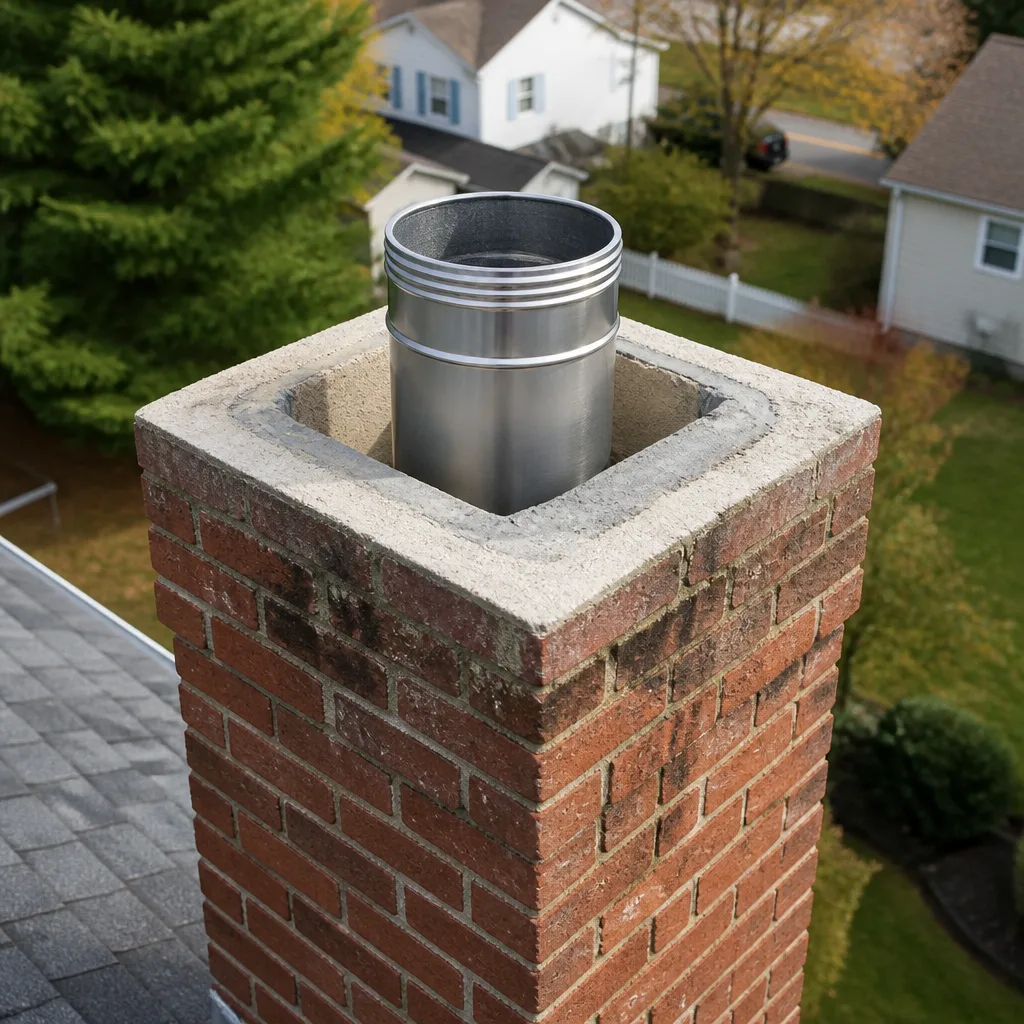
 Flue relining
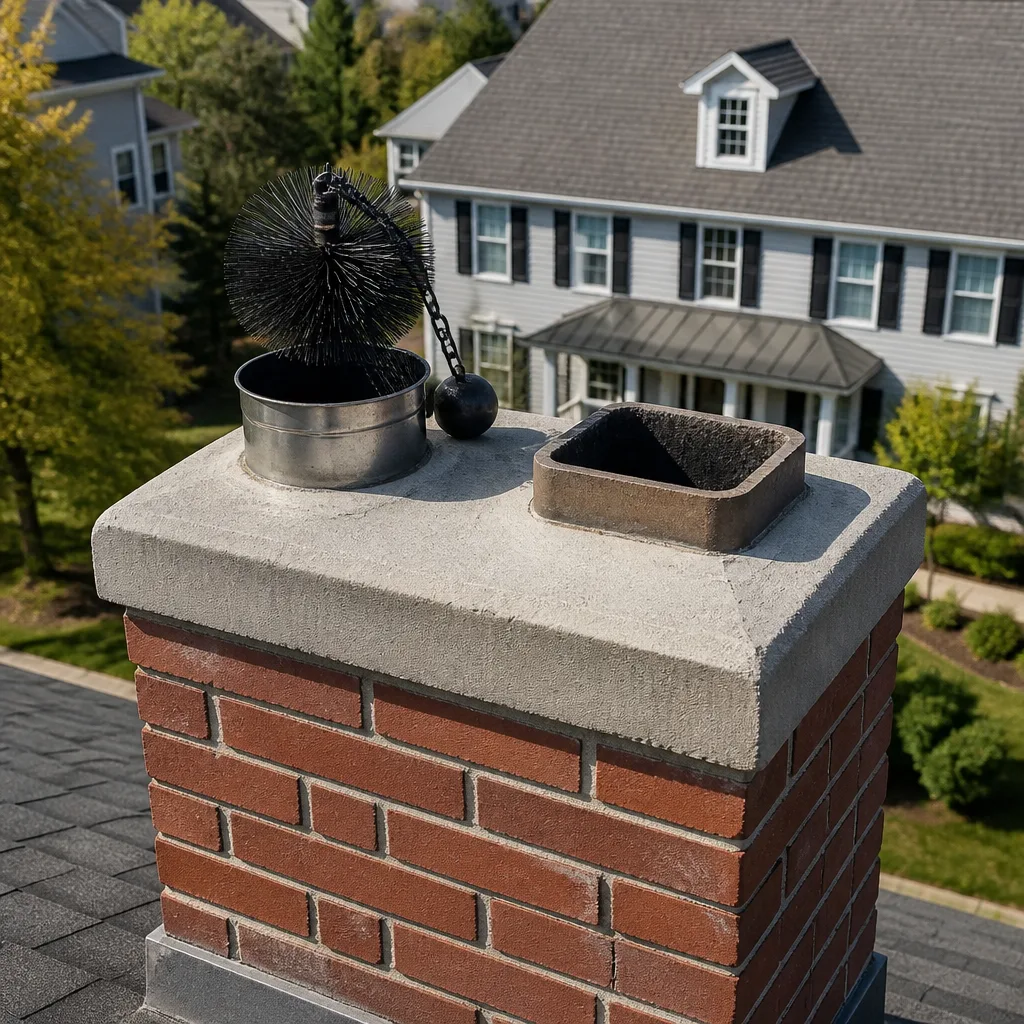 Sweep & inspection
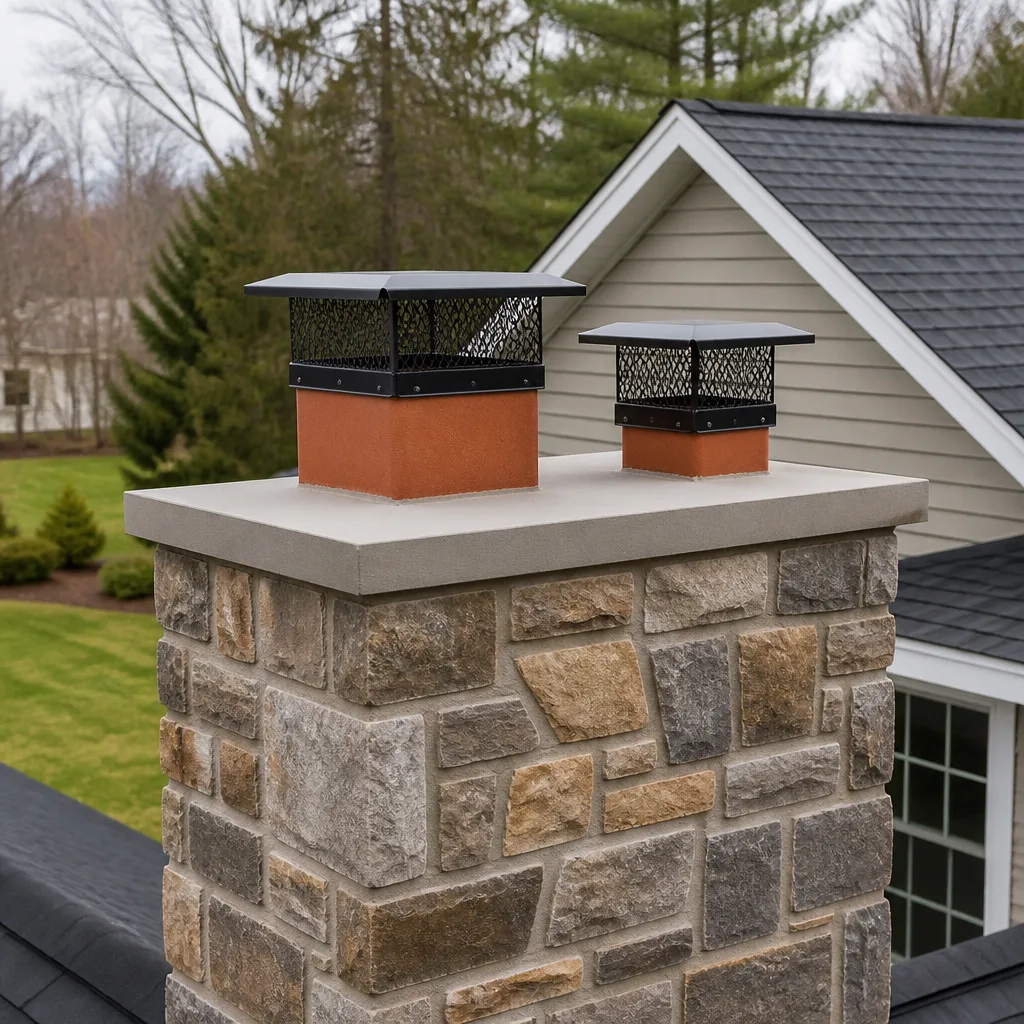 Caps & crowns
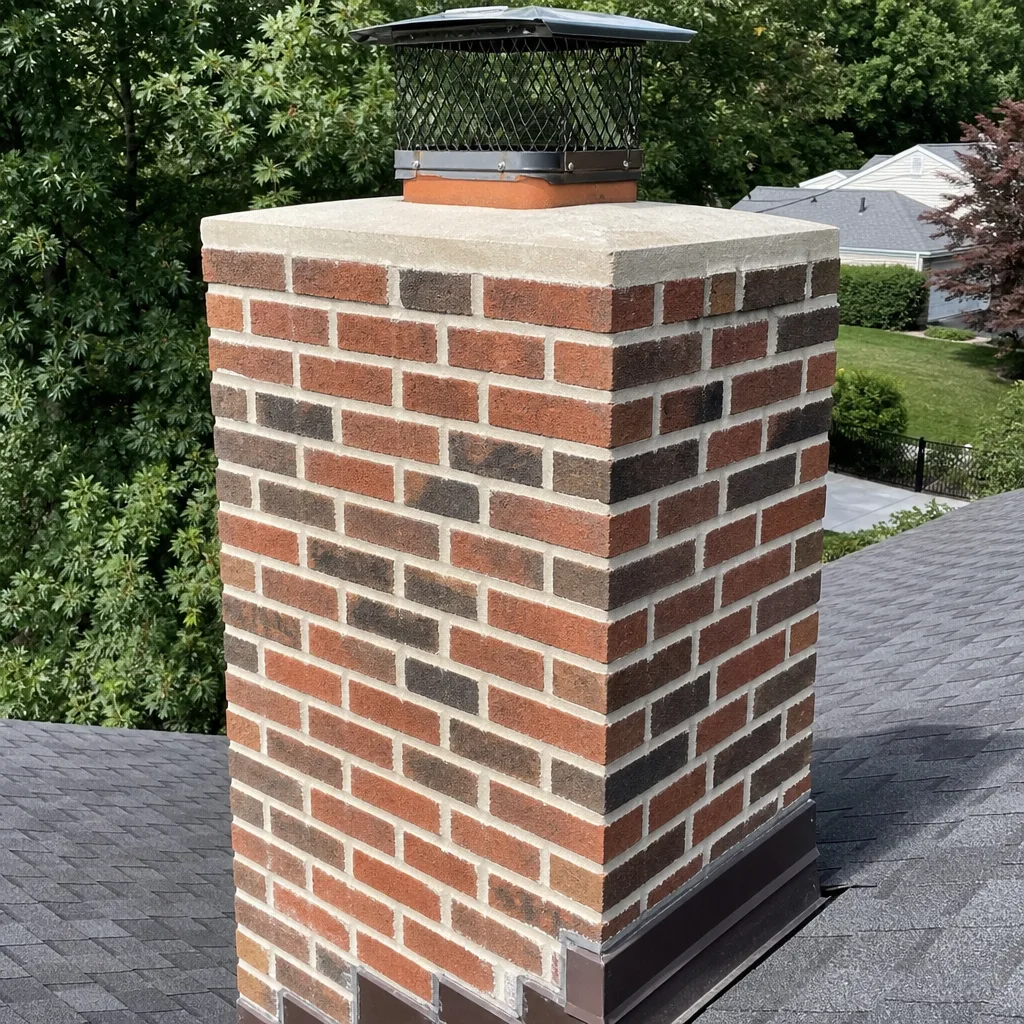 Masonry repair
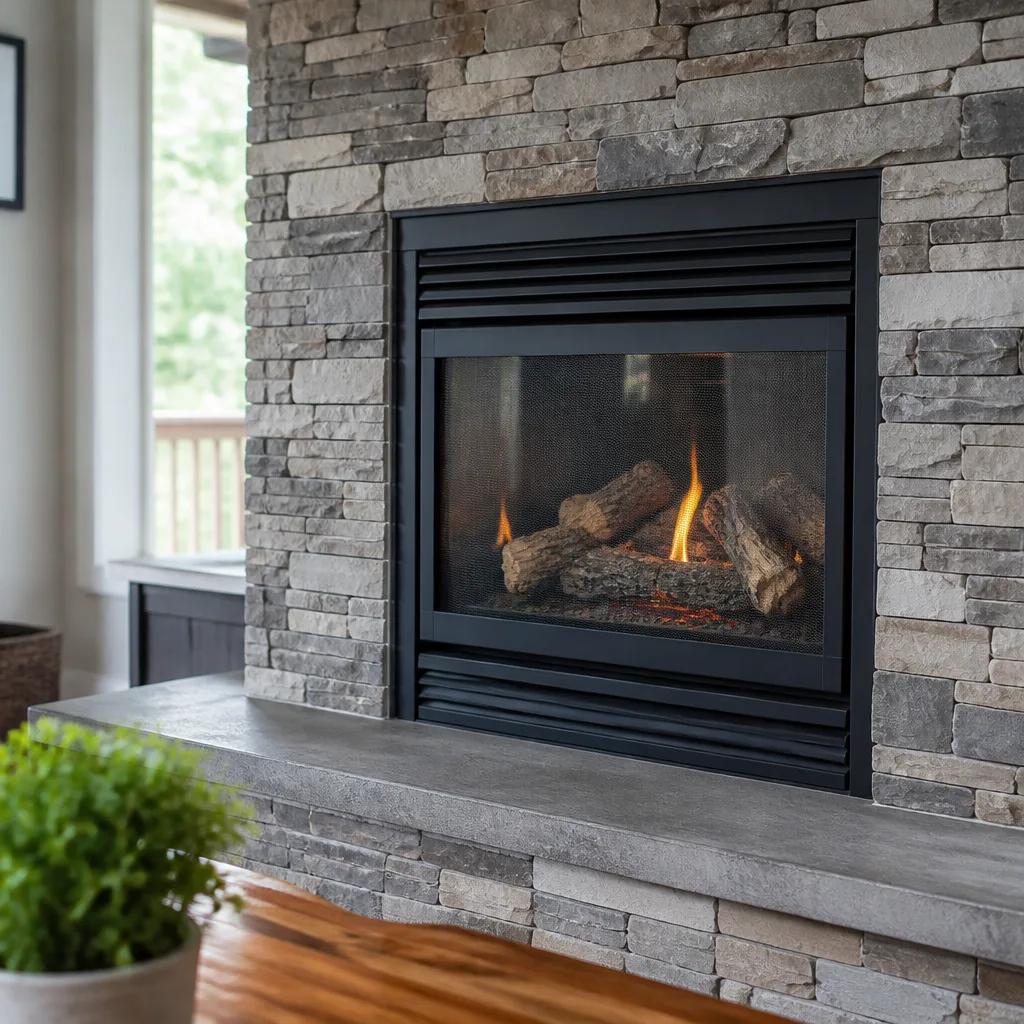 Gas fireplace service
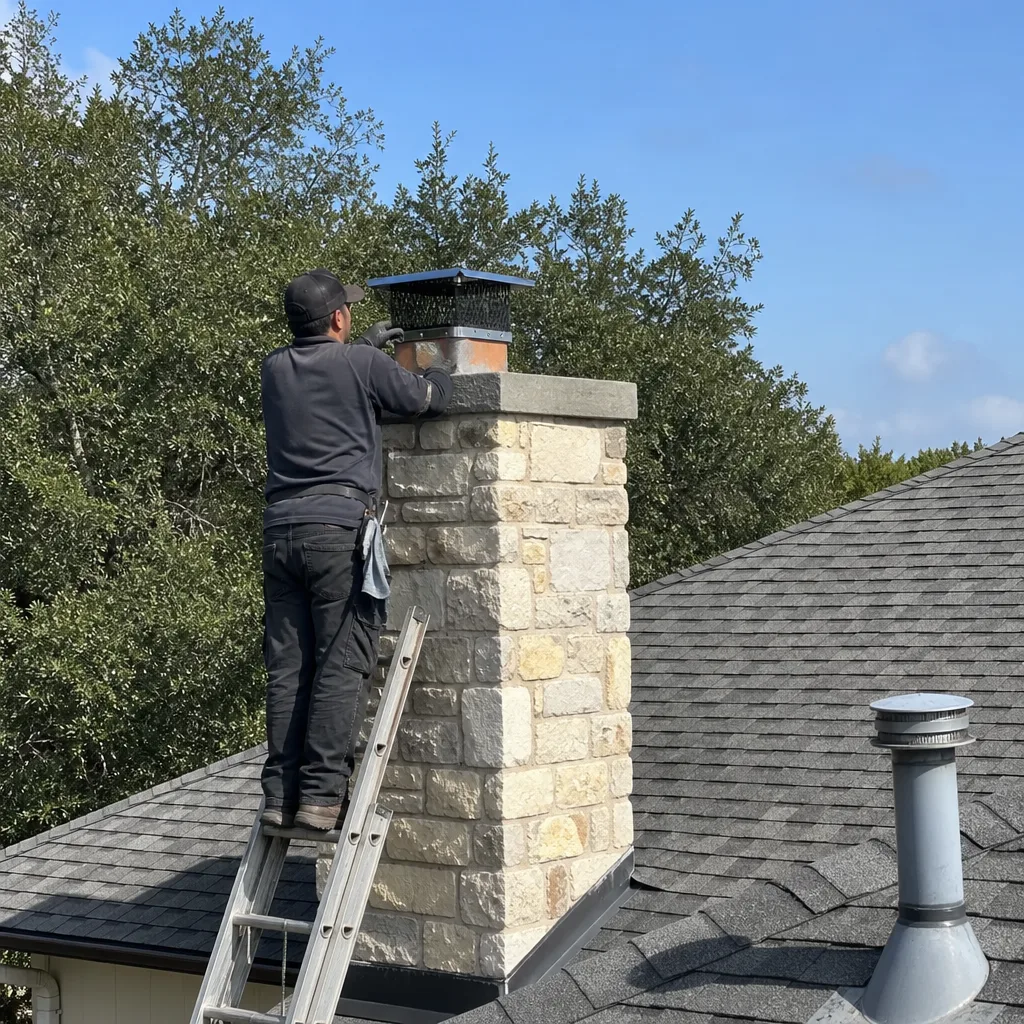
Level 1 sweep and inspection to the NFPA 211 annual standard - flue, crown, cap, and flashing checked and photographed
Chimney sweep logs do not sweep chimneys. They loosen some creosote - which then falls where a brush and vacuum still have to collect it.
DuraFlex Flue Liner Replacement: The Austin Owner’s Guide
We stock and install DuraFlex-compatible flue liner replacement sections for Austin homes, with most replacements running between $1,900 and $3,800 depending on the liner length, diameter, and how much of the existing setup can be reused. We carry common 5.5-inch and 6-inch round liners on the truck, and can typically source odd-sized oval or rectangular sections within two to three business days. Most folks discover their liner has failed during a routine sweep or inspection, when a patch of rust, a loose seam, or a cracked section shows up in the camera report.
Here’s the thing about DuraFlex liners: they’re tough, but Austin’s heat and the way water moves through chimneys here tends to hit joints and seams first. We’ll show you exactly what we’re seeing before we touch anything.
Which DuraFlex Models This Applies To
DuraFlex makes a few different liner series, and the part you need depends on which one is in your chimney. The DuraFlex 304 and 316 alloy liners are the two we replace most often around Austin. Both are corrugated, flexible stainless steel, but they have different compatibility points that matter when you’re matching a replacement section. The 304 liner is fine for wood-burning fireplaces and most gas inserts. The 316 is the one to use if you burn regularly or if you’ve had any moisture issues. It’s got better corrosion resistance, and in a city with Austin’s humidity swings and occasional hard rain, that extra protection is worth the slight bump in material cost.
Reading the label is the fastest way to identify your setup. Look for the DuraFlex stamp or etched code near the top of the liner where it meets the chimney cap, or on the appliance connector in the firebox. If you can’t find a label, measure the inside diameter of the liner at the top of the chimney. DuraFlex round liners come in standard sizes: 5.5-inch, 6-inch, 7-inch, and 8-inch. If your measurements come back odd, like 5.25 inches, you’re probably looking at a slightly ovalized section, which happens when liners get pulled or compressed during installation. That’s another reason we don’t sell parts over the counter and call it done. A measurement that’s off by a quarter inch changes which section fits, and guessing gets expensive fast.
One thing worth knowing: Ashby Chimney Austin is an independent service provider. We’re not affiliated with DuraFlex. We use genuine DuraFlex sections when the job calls for them, and we also keep HeatShield and Gelco materials on hand for jobs where resurfacing makes more sense than pulling the old liner out. The honest answer is that not every failed liner needs full replacement. Sometimes a targeted joint repair with the right seam material does the job. We’ll tell you which route fits your liner, your budget, and your burn habits. If the liner is original to the house and you’re in an older neighborhood like Hyde Park or Bouldin Creek, expect that conversation to lean toward replacement.
Styles & brands we work with
Signs Your DuraFlex Flue Liner Replacement Is Failing
- Rust stains or weeping at the chimney base. This usually means moisture is getting into the liner and sitting against the seams or the tee connection. Water and combustion gases mixed together make an acid that eats through steel from the inside out. Once the weeping starts, the liner is usually well into its decline.
- Flakes of metal or rust-colored powder in the firebox. That’s liner material breaking down. Small flakes after a hard winter storm are one thing, but a consistent dusting after every burn is a sign the inner wall is spalling. We see this most in older DuraFlex 304 liners that have taken years of heat-cool cycles in Austin’s freeze-thaw winters.
- A burning smell that’s sharper than a normal wood fire. This can mean combustion gases are not drafting properly and are lingering inside the chimney chase or wall cavity. It’s not always a liner failure, but a split seam or disconnected joint is high on the list.
- Visible kinking, sagging, or a gap between sections when you look down from the roof. This is the one you might spot yourself with a flashlight. DuraFlex sections have a lock-seam connection that’s designed to stay tight, but if the liner was pulled too hard during installation, or if the chimney cap shifted in a storm, sections can pull apart slightly.
- Whitish staining or mineral deposits on the outside of the liner at the top. That’s condensation evaporating and leaving minerals behind, which means the liner is running colder than it should. A cold liner condenses more exhaust, which weakens the steel faster. It’s a slow failure, but it’s directional, and it’s one we catch on inspections in north Austin neighborhoods like Allandale and Crestview where chimneys are exposed to full sun and wind.
See the difference
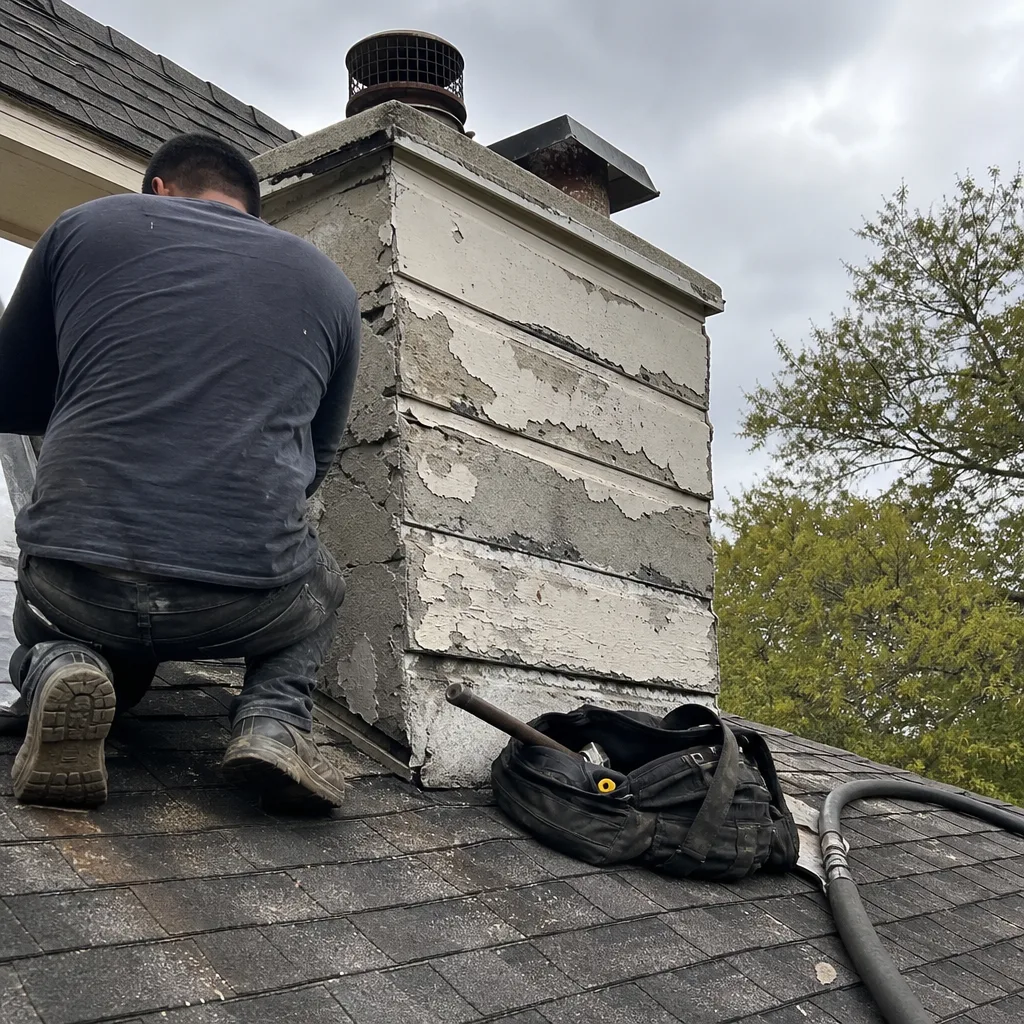 Before
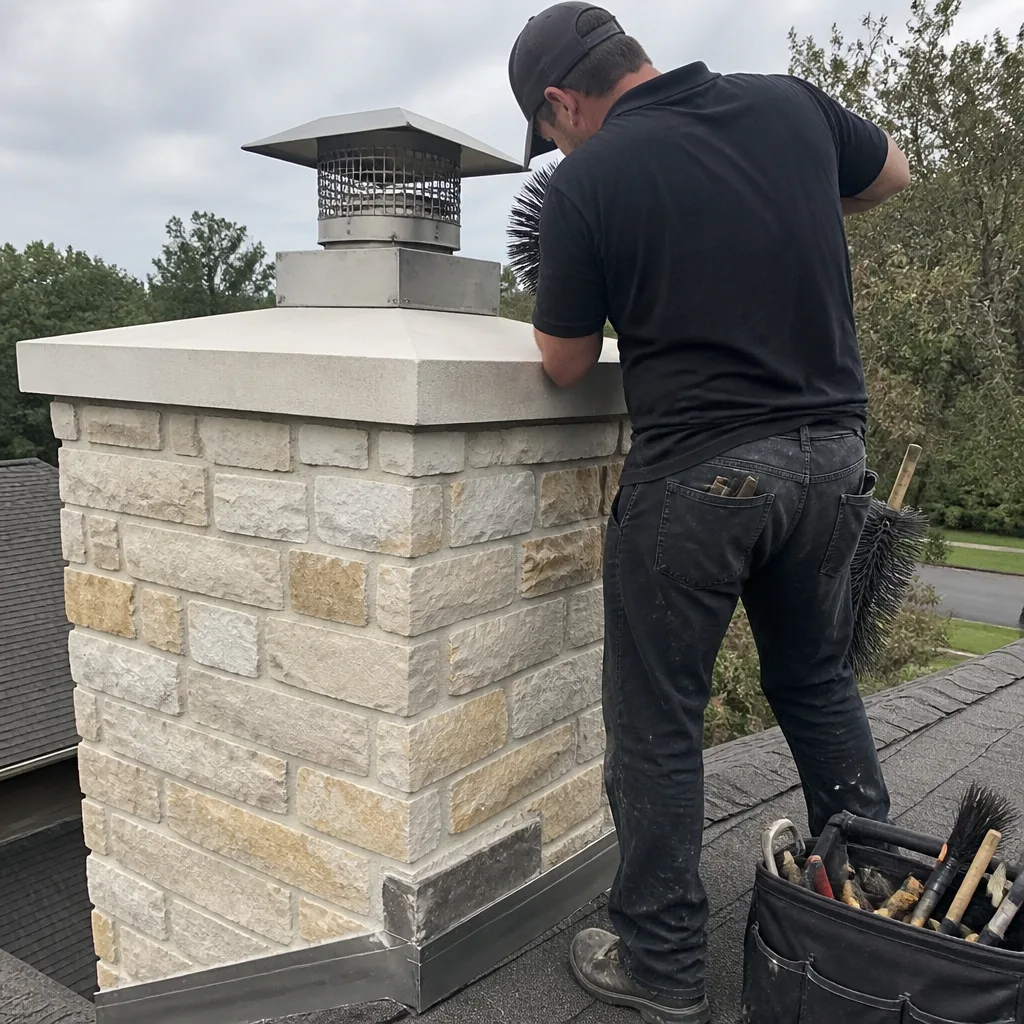 After
After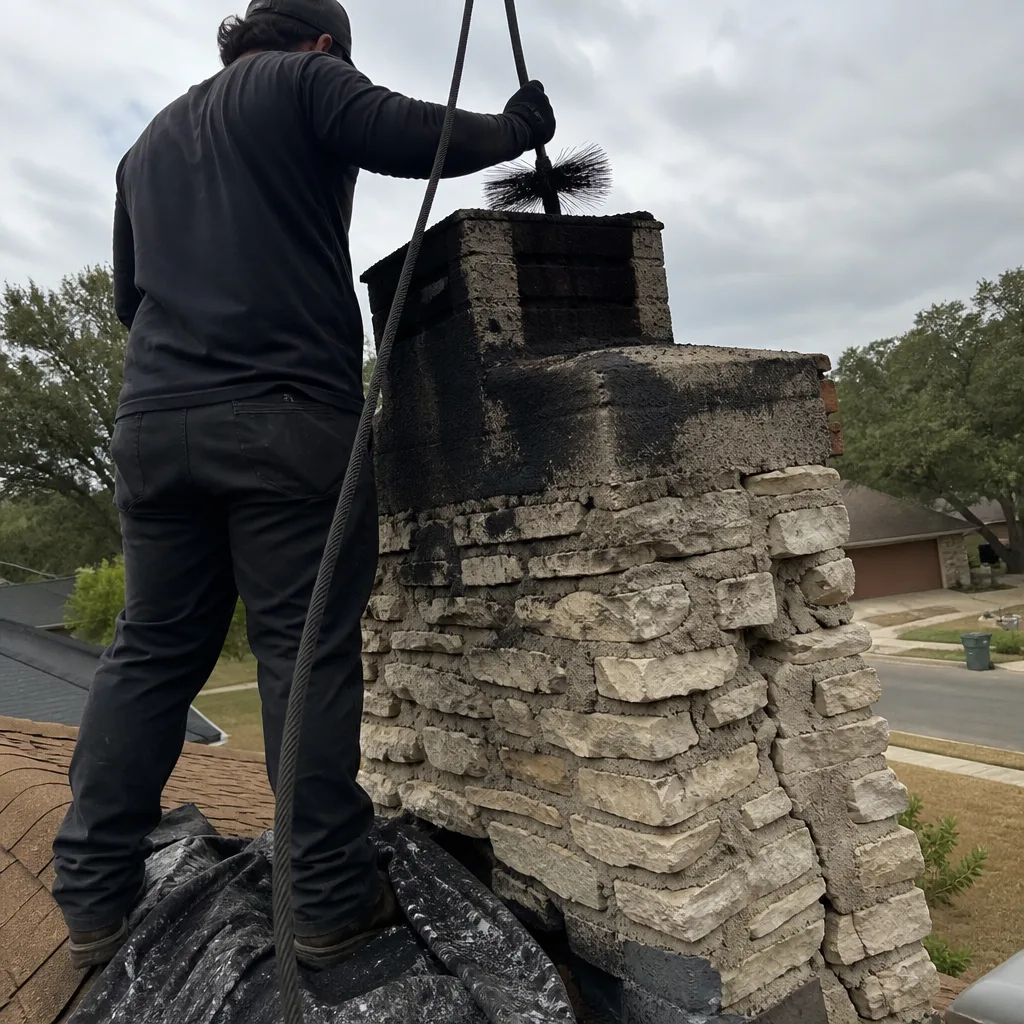 Before
 After
After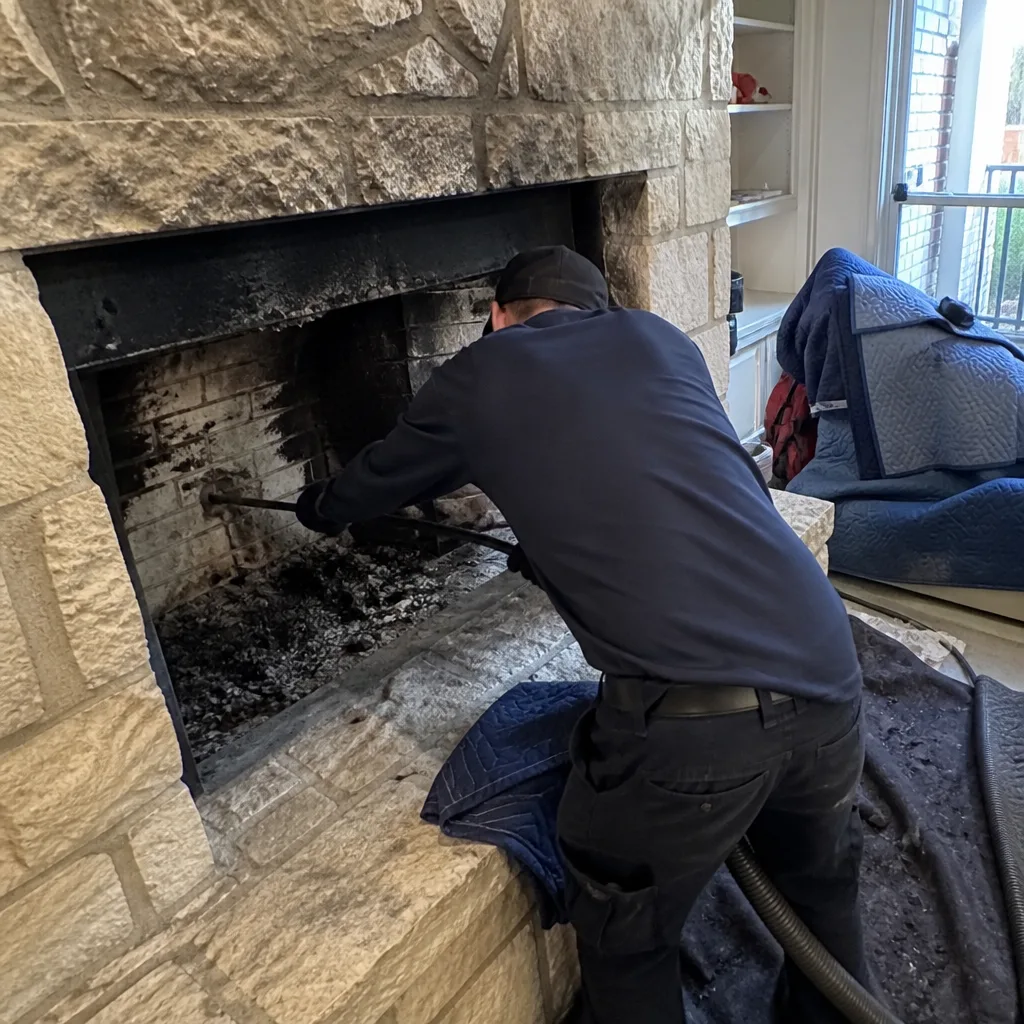 Before
 After
AfterReplacement Cost & What’s Included
Most DuraFlex flue liner replacements in Austin run between $1,900 and $3,800 installed. Here’s what that range covers and what shifts the price.
| Work item | Typical range (Austin) | Notes |
|---|---|---|
| Camera inspection and measurement | $99 – $199 | Applied toward the job if you proceed |
| Liner removal (old, failed section) | $300 – $600 | Depends on access: roof vs firebox, single-story vs two-story |
| DuraFlex liner section(s) – material only | $600 – $1,400 | 4- to 6-inch diameter, most common sizes |
| Installation labor | $700 – $1,400 | Includes seam sealing, tee connections, and cap inspection |
| Chimney cap (if replacement is needed) | $200 – $500 | Only if the existing cap is rusted or out of round |
That’s the breakdown we walk through on the phone so there are no doorside surprises. The single biggest price driver is height: a two-story house in Steiner Ranch or Westlake with a steep-pitch roof takes longer and costs more than a single-story ranch in Brentwood. The second factor is masonry condition around the crown and flue opening. If we’re pulling a liner out of a chimney that’s also losing mortar, the repair scope expands, and we’ll show you the crown damage on camera before any estimate gets written.
Every job comes with a written price before we start and a written guarantee when we’re done. The Kingswell Guarantee covers the repair inside the stated period. If the liner fails inside that window, we return and correct it at no charge. That no-charge return isn’t a negotiation. It’s the way we’ve done business since 2002.
DIY or Call Us?
There’s an honest split here. You can safely check the firebox for visible flakes, look at the top of the chimney from ground level with binoculars for a shifted cap, and sniff the air after the first cold-morning burn of the season. That’s good information to have when you call.
Where DIY goes wrong is trying to pull a liner section or patch a seam without proper equipment and clearances. A partially disconnected liner can draft exhaust into the chimney cavity instead of up and out. That’s carbon monoxide in the home’s air envelope, and it’s not the kind of thing you want to discover by feel. If you suspect a liner problem, don’t burn until it’s inspected. Call (254) 274-4486 and describe what you’re seeing. If we think a camera inspection is the right first step, we’ll say so plainly, and the inspection fee rolls into the job if you move forward.
FAQs
A properly installed DuraFlex liner in Austin typically lasts 15 to 25 years, depending on the alloy, your burn frequency, and whether you’ve had moisture issues along the way. Side-by-side with clay tile liners, which crack and spall much earlier in this region’s freeze-thaw cycle, a well-installed steel liner holds up well. The variables are water entry and cooling-condensation cycles, both of which are addressable with a proper cap and correct sizing.
Sometimes, when the damage is isolated to one seam or a short section near the top without signs of water migration, a targeted repair with the right joint material can buy you several more years at a fraction of the cost. But if we’re seeing flaking, rust-through, or separation at multiple points on camera, you’re likely looking at replacement. The camera report is the deciding factor, and we’ll review it with you frame by frame. Call (254) 274-4486 to schedule an inspection, and we’ll give you our honest read.
Most single-story replacements in Austin take four to six hours on site, which means we’re usually done inside one day. Two-story homes and any crown or masonry work extend that to a day and a half or two, depending on access.
We stock common 5.5-inch and 6-inch round sections on the truck and keep 7-inch and 8-inch sections at our Austin shop. Unusual oval or rectangular sizes, or custom-length sections, usually require a two-to-three-day order. We can also discuss HeatShield or Gelco options if your situation calls for something other than a straight replacement. Call (254) 274-4486 and tell us your liner diameter, and we’ll check stock while you’re on the phone.
If you’ve got a DuraFlex flue liner that’s giving you trouble in Austin, call (254) 274-4486. We’ll ask what you’re seeing, give you a straight answer about whether it’s urgent, and book a time that works. Written price before any work starts. Written guarantee when it’s done.
Written by Nathan Corliss, Owner, Ashby Chimney Austin at Ashby Chimney Austin, serving Austin and nearby areas.