
 Gas fireplace service
 Sweep & inspection
 Caps & crowns
 Flue relining
 Masonry repair
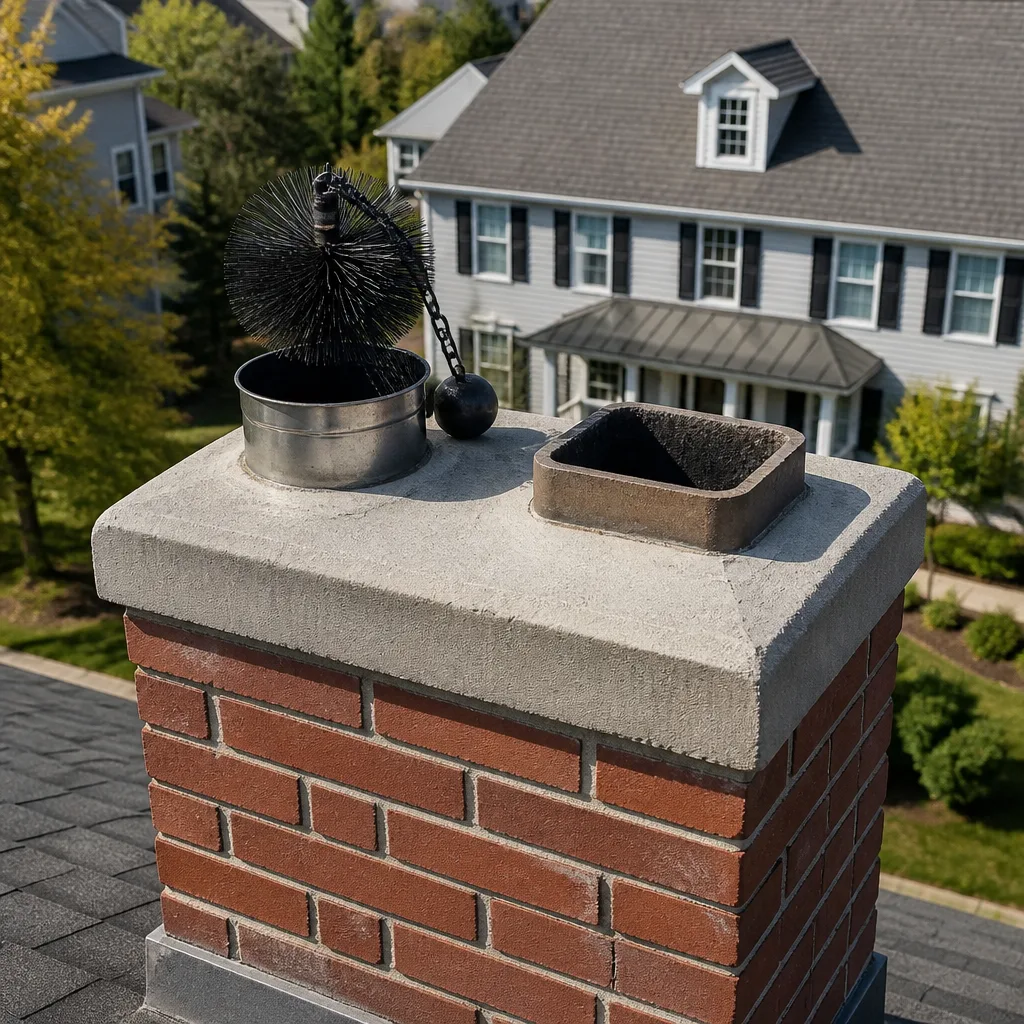
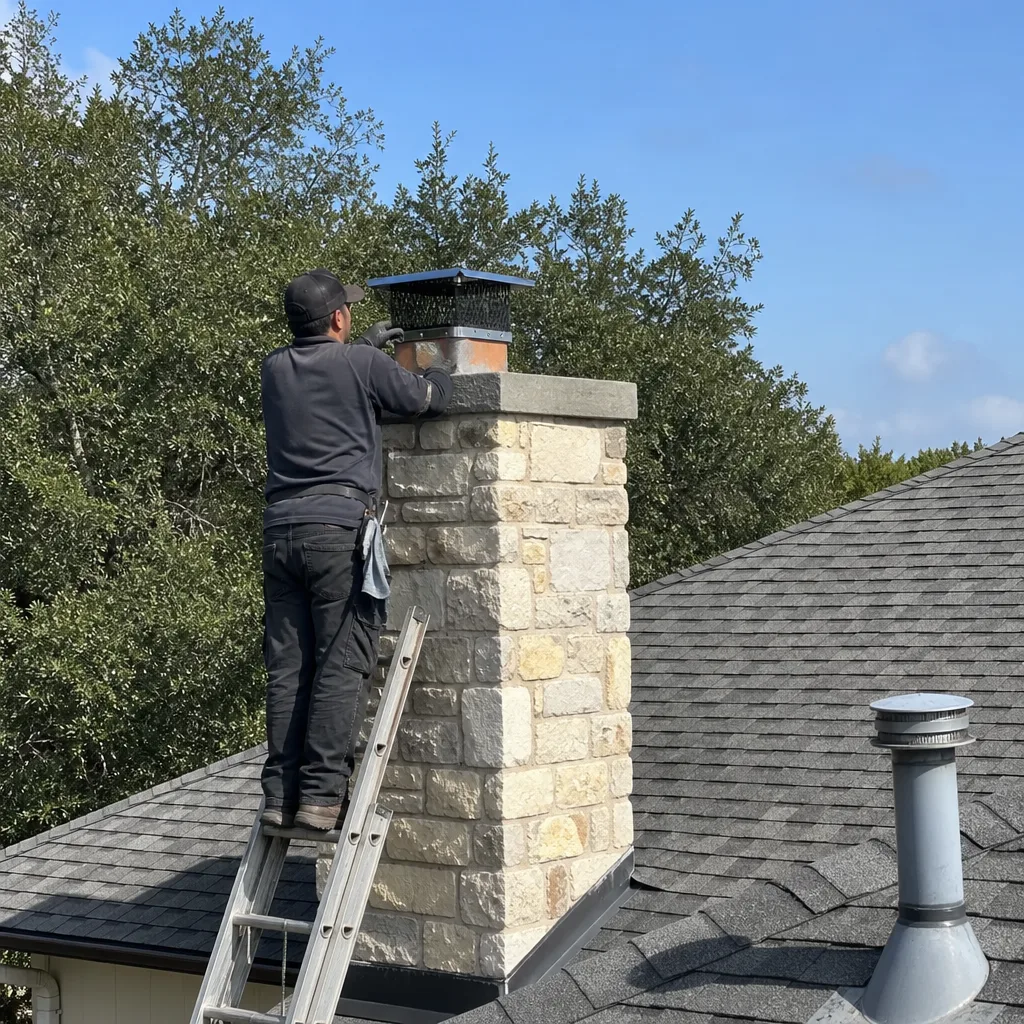
Level 1 sweep and inspection to the NFPA 211 annual standard - flue, crown, cap, and flashing checked and photographed
Chimney sweep logs do not sweep chimneys. They loosen some creosote - which then falls where a brush and vacuum still have to collect it.
Why Austin Homeowners Choose HeatShield Chimney Cleaning
HeatShield chimney cleaning in Austin typically runs between $250 and $600 depending on flue condition, creosote buildup, and whether a cerfractory inspection is needed. We’re an independent HeatShield service provider, not an authorized dealer, which means we can tell you plainly when a recoating is worth it and when it can wait. Our Heatshield repair in Austin focuses on one thing most sweeps skip: finding the cracks and joint failures that a visual sweep can’t see, then fixing them with the right cerfractory material the first time. Call (254) 274-4486 for a written price before any work starts.
HeatShield’s cerfractory flue sealant system has been used in tens of thousands of chimneys nationwide, and Austin’s housing stock makes it especially relevant. Homes in Hyde Park, Travis Heights, and Tarrytown were built with fireclay flue liners that crack under thermal stress, and HeatShield Restore 2000 is often the right fix short of a full stainless reline. Nathan Corliss and our crew have completed hundreds of HeatShield applications across Austin, from straightforward liner resurfacings in Mueller-area prefab units to complex multi-flue retrofits in older central Austin masonry chimneys. We know this product line the way a mechanic knows a specific engine: its strengths, its failure points, and what it takes to install it correctly in a limestone chimney.
Why Trust Ashby Chimney Austin for Your HeatShield Chimney Cleaning?
HeatShield cerfractory is a specialized material. It’s not paint. It’s a cementitious coating that bonds to the inside of your flue and restores structural integrity to cracked clay tiles. Applying it correctly requires knowing the exact flue dimensions, the fuel type, the moisture history of the chimney, and the ambient conditions during cure. That’s where we come in. We’ve been inspecting and repairing chimneys in Austin for more than a decade, and HeatShield has been part of our repair toolkit since Nathan started building the crew here. He learned the trade hands-on through the building trades program at Los Angeles Trade-Technical College before relocating to Central Texas, and the same principle applies to every HeatShield job we take: name the price before picking up a tool, explain what we found and why it matters, and put the guarantee in writing.
We use genuine HeatShield cerfractory sealant, joint repair compounds, and CeCure sleeves matched to the exact flue dimensions and fuel type. We don’t substitute generic refractory. We don’t cut corners with a thinner coat to save material. And we don’t recommend HeatShield when a cheaper repair or a simple sweep would do. If your flue is sound, we’ll say so. If it needs help, we’ll show you the camera footage and give you a written price before any work begins. The 365-Day Done Right Promise covers every HeatShield application we complete: if the repair fails within the guarantee period, we come back and fix it at no charge. Not a prorated credit. Not a callback in six weeks. We return and make it right.
Styles & brands we work with
Common HeatShield Chimney Cleaning Problems We Fix in Austin
HeatShield is a durable product, but it’s not indestructible, and Austin’s climate has a way of finding weak points. Here’s what we actually see in Travis and Williamson county flues, including those needing Heatshield in Georgetown:
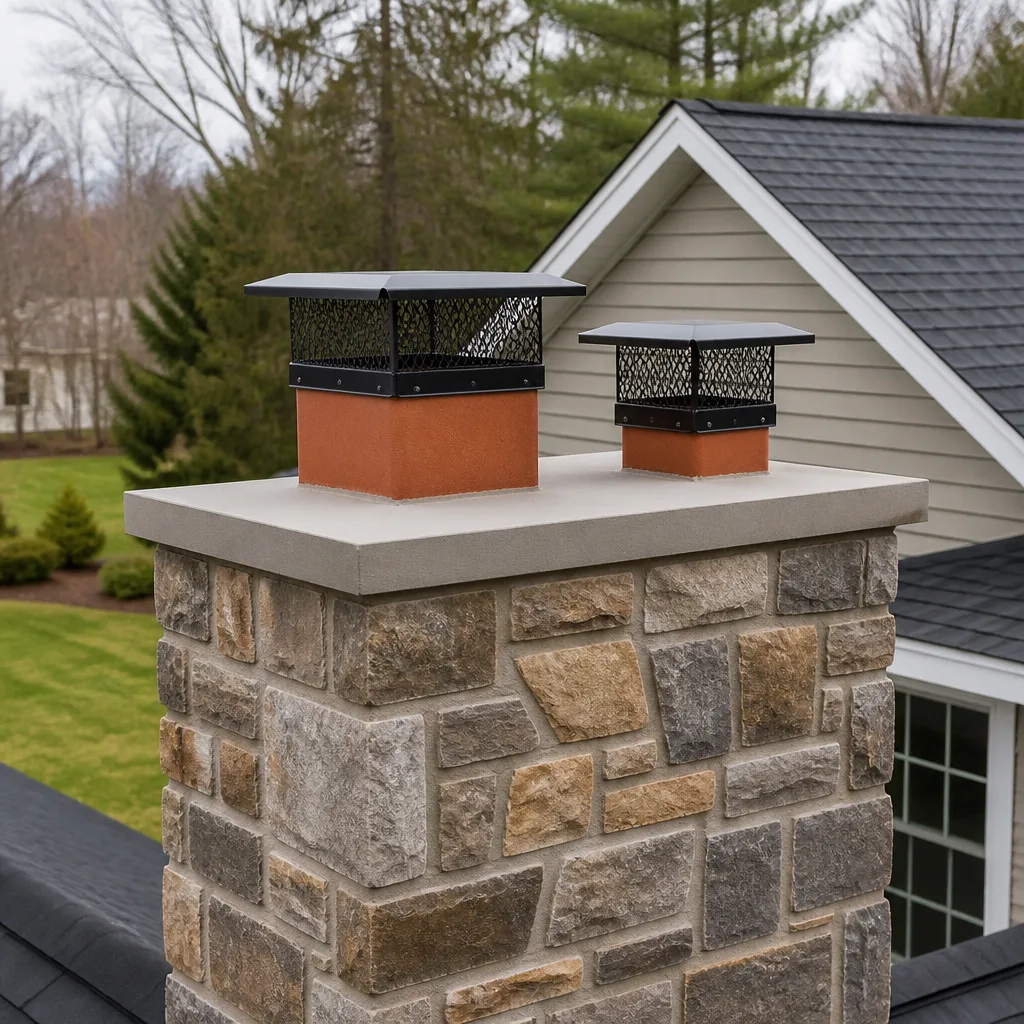
- Cerfractory cracking from failed crowns. In older Austin neighborhoods like Tarrytown and Hyde Park, we routinely find HeatShield coatings that have cracked along the rear flue wall because the concrete crown above has deteriorated and let water soak down through the masonry. The water penetrates the limestone, freezes during rare cold snaps, and expands, stressing the cerfractory until it fractures. The fix is almost always crown replacement first, then recoating.
- Joint sealant breakdown from creosote saturation. Wood-burning fireplaces in Austin sit dormant for months at a time during hot, humid summers. Creosote hardens and becomes sticky, and if it’s not removed before a HeatShield application, it prevents the joint repair compound from bonding properly. We’ve seen HeatShield joint sealant peel away from flues where a previous contractor applied it over saturated creosote without proper removal. That’s why we always do a full creosote removal before any HeatShield work.
- CeCure sleeve debonding at the flue offset. Austin’s older limestone chimneys often have offsets in the flue path where two sections of masonry don’t line up perfectly. When a CeCure sleeve is installed and the chimney heats and cools through our temperature swings, that offset is where the sleeve can separate from the flue wall. The thermal expansion mismatch between the stainless sleeve and the limestone isn’t huge, but over enough cycles it adds up. We inspect offsets carefully on every CeCure installation and use the proper anchoring to prevent this.
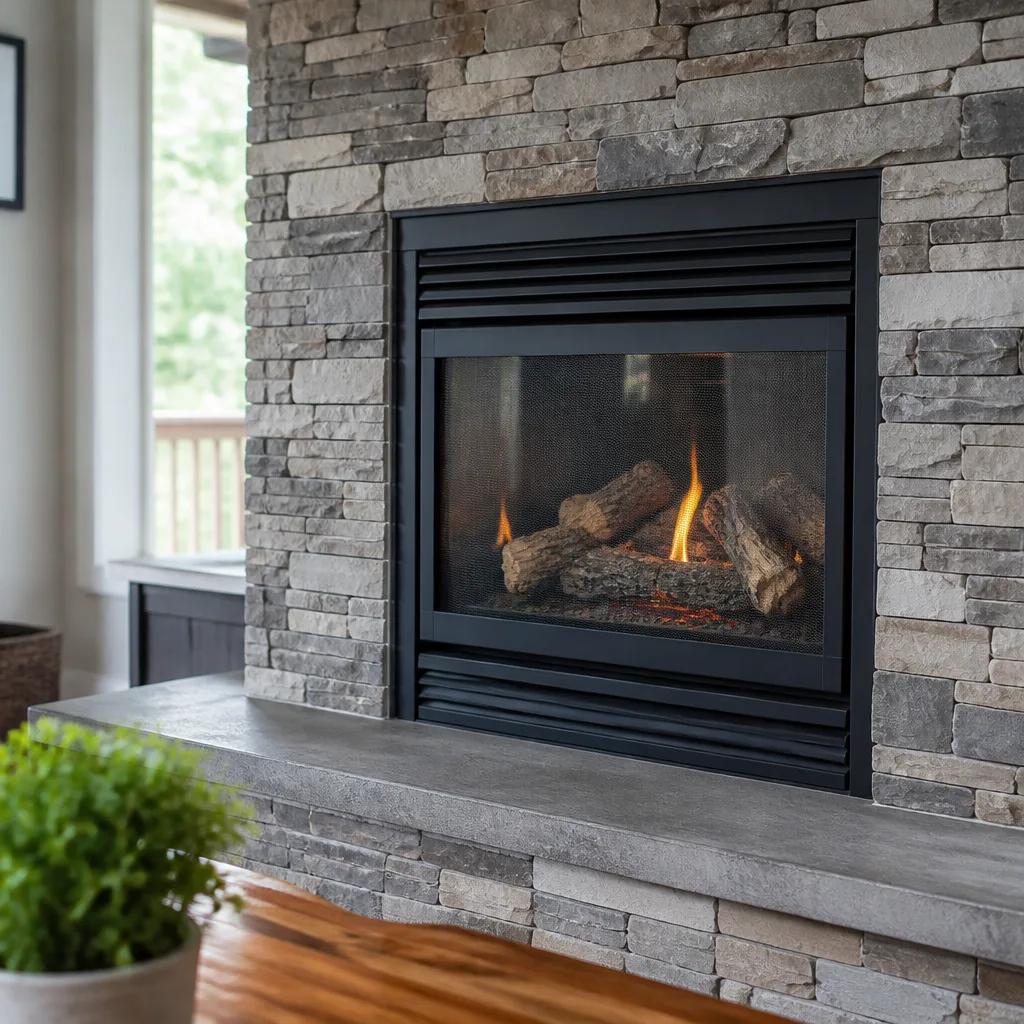
- Restore 2000 surface pitting with gas log fireplaces. Gas logs produce less creosote than wood, but they do produce sulphur compounds that can attack the surface of a Restore 2000 coating. We see this most often in Austin homes that switched from wood to gas without relining, leaving an older HeatShield application exposed to combustion byproducts it wasn’t designed for. The pitting is usually superficial early on, but left long enough it can compromise the coating’s seal.
- Spalling and erosion from water intrusion at the mortar joints. Austin’s clay-heavy soil shifts with dry spells and heavy rain, and older brick chimneys flex slightly with it. Mortar joints crack, water gets in, and the HeatShield coating behind it starts to spall. We address this by waterproofing the exterior with a siloxane-based product after repairing the interior, so the problem doesn’t come back in two years.
HeatShield Parts & Our Repair-vs-Replace Approach
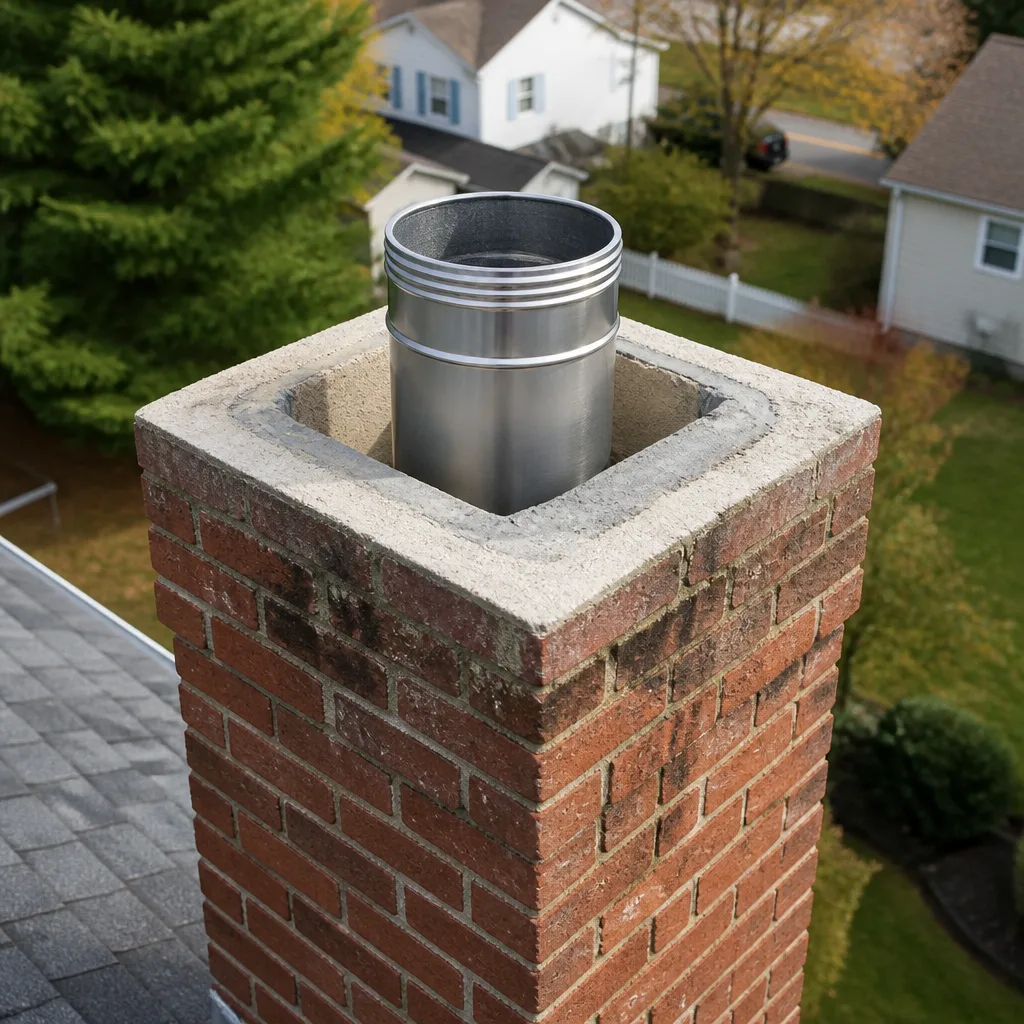
HeatShield’s system has four main components: the Cerfractory Flue Sealant, the Joint Repair System, the Restore 2000 coating, and the CeCure Sleeve Relining System. We stock genuine HeatShield materials locally so we’re not waiting on a shipment when your fireplace inspection reveals a problem. We also carry the application tools, mixing equipment, and camera inspection gear needed to verify coating thickness and coverage as we work.
Here’s our honest decision path. If the HeatShield coating has a localized crack or joint failure and the surrounding liner is still sound, we repair that section with the appropriate HeatShield compound. This is common in Austin homes where damage is concentrated near the top of the flue where water entered. If the coating shows widespread spalling, debonding, or pitting across more than a quarter of the flue surface, we recommend a complete reapplication. Patching multiple failures piecemeal leaves hidden seams where flue gases can leak, and you’ll spend more over time than one proper reapplication would cost. If the underlying clay tile has shifted or the flue dimensions are compromised, we’ll tell you that CeCure sleeving or a full stainless reline may be the better investment. We have no incentive to push HeatShield when it’s not the right fix. Call (254) 274-4486 for an honest assessment with a written price.
Our HeatShield Service Process – Step by Step
- 1
Diagnosis with camera inspection. Every HeatShield job starts with a Level 2 inspection using a camera run through the full flue length. We’re looking for cracks, spalling, joint separation, water staining, and any prior HeatShield failure. You see the footage. We explain what it means in plain language, not chimney jargon.
- 2
Written quote before any work. Say the price first. Explain the work. Put the promise in writing. You get a written price covering the exact HeatShield application, preparation, materials, and cleanup. The number on the invoice matches the number on the quote. No add-ons discovered at the door.
- 3
Preparation and application. We remove all creosote and debris from the flue before any HeatShield material goes in. Then we apply the cerfractory sealant or Restore 2000 coating to the manufacturer’s specified thickness for your flue dimensions and fuel type. This isn’t a spray-and-go process. It’s methodical, and we check thickness as we apply.
- 4
Curing and verification. HeatShield needs proper cure time, especially in Austin’s humidity. We account for that before we schedule. After curing, we run the camera again to verify coverage and look for any voids or thin spots. If we find any, we fix them before we call the job done.
- 5
Written guarantee. Every HeatShield application comes with our written guarantee under the 365-Day Done Right Promise. If the repair fails within the guarantee period, we return and correct it at no charge. That’s the Kingswell Way, and it’s non-negotiable at Ashby Chimney Austin.
See the difference
 Before
 After
After Before
 After
After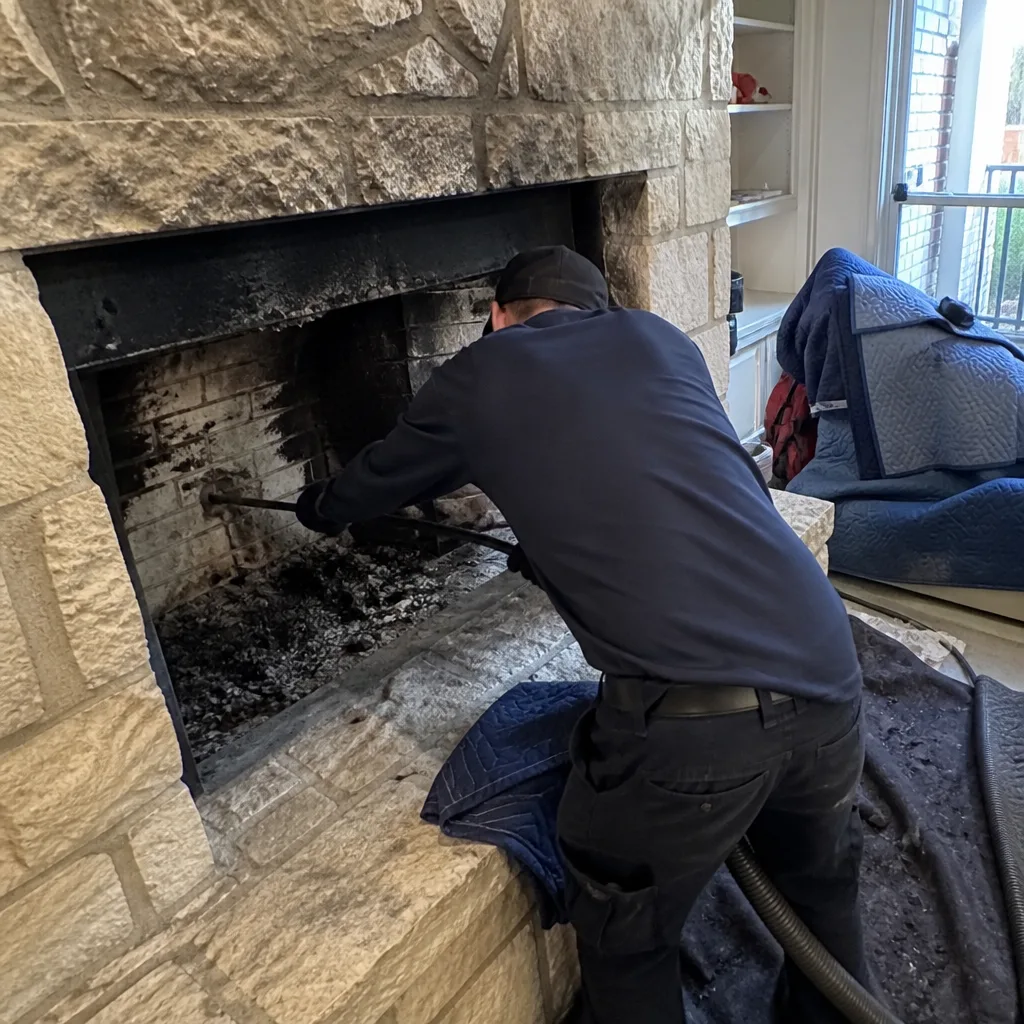 Before
 After
AfterHeatShield Products We Service & Install in Austin
We work with the full HeatShield product line. The Cerfractory Flue Sealant is the core material for resurfacing cracked clay tiles. The Joint Repair System handles isolated joint failures where the rest of the liner is still sound. Restore 2000 is our most common application in Austin because it’s designed for full-length resurfacing of damaged flues, especially in older masonry chimneys. The CeCure Sleeve Relining System is a stainless steel sleeve combined with cerfractory that works well when a clay liner has shifted or the flue dimensions make a coating-only repair risky. We stock all four product lines locally for faster turnaround. In a 1980s Tarrytown two-story with a wood-burning fireplace, our camera found a 14-inch vertical crack through the original HeatShield cerfractory coating along the rear flue wall, paired with a failed crown that had let water soak the limestone and rust the damper. We removed the loose concrete crown, installed a new overhanging crown with drip edge, and after a full creosote removal re-applied HeatShield Restore 2000 to the entire 25-foot flue, then coated the exterior with a siloxane-based waterproofing. The homeowner now has a sealed, watertight liner that passed a follow-up pressure test without replacing the whole chimney.
We Also Service These Brands
HeatShield is one good option, but it’s not the only one. We also install and service DuraFlex stainless steel liners and Gelco chimney products. If a HeatShield reapplication isn’t the right fit for your Austin chimney, we’ll tell you what is, and we’ll quote it honestly.
FAQs – HeatShield Chimney Cleaning Service in Austin
Can HeatShield cerfractory coating be applied over an existing clay tile liner in Austin’s older limestone chimneys?
Yes, that’s exactly what HeatShield Restore 2000 is designed for. The cerfractory bonds directly to the clay tile surface and fills cracks, restoring the liner’s structural integrity without removing the tile. In Austin’s older limestone chimneys, this works well as long as the tile is still in place and the flue dimensions are adequate for the appliance. If the tile has shifted or begun to collapse, we’ll recommend CeCure sleeving or a full reline instead.
How long does a HeatShield liner last before it needs recoating in an Austin climate?
A properly applied HeatShield coating should last 20 to 25 years in most Austin chimneys, assuming the crown and exterior masonry are maintained. The biggest threat isn’t the heat, it’s water. A failed crown or cracked mortar joint can shorten that lifespan significantly by allowing water to seep behind the coating. Chimney waterproofing with a siloxane product extends the life of the HeatShield application. If you notice spalling brick or water staining near the chimney, call (254) 274-4486 before the damage spreads.
Does HeatShield work for gas fireplaces or only wood-burning ones?
HeatShield works for both. Gas flues have lower temperatures but produce sulphur compounds that can pit the cerfractory surface over time, so proper preparation matters. If we’re applying HeatShield in a gas flue, we’ll verify the existing coating is compatible and that the flue is sized correctly for the gas appliance. The Restore 2000 product line includes formulations suited to gas chimney conditions.
Can HeatShield repair a cracked flue tile without removing the chimney crown?
In many cases, yes. HeatShield is applied from inside the flue, so we can resurface a cracked clay tile without tearing apart the masonry or removing the crown. The caveat: if the crown is already failing and letting water in, we need to address that too, or the new HeatShield coating will be fighting the same water problem. We’ll inspect the crown as part of the Level 2 inspection and include crown repair in the written quote if needed.
How do you ensure the HeatShield coating thickness is correct for my fireplace’s flue size?
We follow HeatShield’s specifications for coating thickness based on flue dimensions and fuel type, and we verify thickness during application with measurement tools. After curing, we run the camera again to check for thin spots or voids. If we find any, we correct them before the job is done. This is why we don’t rush HeatShield work, and why we schedule cure time around Austin’s humidity levels rather than rushing to the next job.
How much does HeatShield chimney cleaning cost in Austin?
A standard Chimney Sweep services in Austin runs $180 to $350 depending on the flue and creosote level. A HeatShield application is a repair, not a cleaning, and typically runs $2,500 to $6,000 depending on flue length, access, and the extent of preparation work. A HeatShield inspection with camera runs $150 to $300 as part of a Level 2 inspection. We give you a written price before any work starts, so you’ll know the exact number before you commit to anything. Call (254) 274-4486 for a free estimate.
Book Your HeatShield Service in Austin, TX
If your Austin chimney has a HeatShield coating that’s failing, or you need a professional assessment before winter, call (254) 274-4486. We answer the phone live, 24/7. You’ll get a straight answer, a written price, and if we do the work, a written guarantee. That’s how we’ve done it since 2002.
Written by Nathan Corliss, Owner at Ashby Chimney Austin, serving Austin and Central Texas chimney owners with honest HeatShield inspections, repairs, and resurfacing work.